transforming healthcare in the Sahel: key achievements (2018-2024)
Between 2018 and 2024, significant milestones were reached in bolstering health systems within vulnerable communities across the Sahel region. Here are the remarkable outcomes:
Expanded and Enhanced Health Services: In Mali and Mauritania, fundamental healthcare access was extended to over 5 million individuals, with women comprising half of the beneficiaries. This significantly surpassed the initial target of 3.65 million people. Health facilities in designated areas across both nations saw a substantial boost in care quality, attributed to upgraded equipment, enhanced staff training, and improved patient management practices.
Improved Obstetric Care: Conflict-affected regions of Mali witnessed a threefold increase in essential prenatal visits among expectant mothers, rising from 13% to 38%. Meanwhile, in Mauritania, qualified personnel assisted 160,000 births, exceeding the set objective by 20% and ensuring safer deliveries.
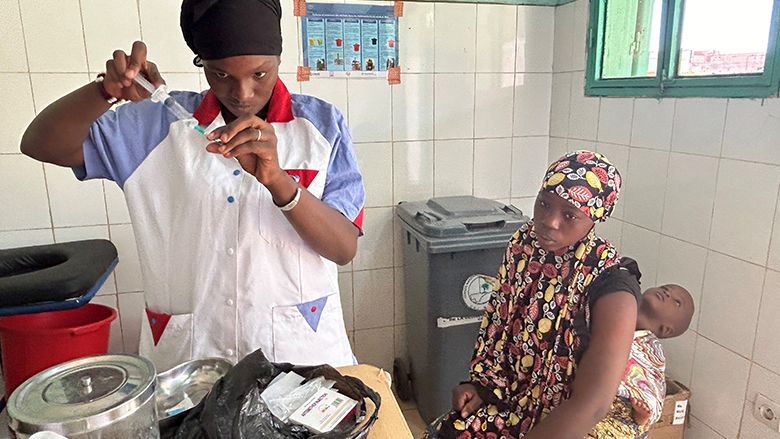
Vital Pediatric Services: Mali delivered 1.17 million healthcare consultations for children under five, addressing prevalent conditions like malaria, respiratory infections, and diarrhea. In Mauritania, over 200,000 children received vaccinations—tripling the initial goal—and nearly 5 million medical consultations were provided to young children.
Crucial Nutritional Support: Mauritania successfully provided nutritional assistance to 750,000 women and children, making significant strides in combating malnutrition across the country.
Enhanced Access to Healthcare: By the project’s conclusion, 460,000 vulnerable individuals in Mali gained free access to critical health services. In Mauritania, over one million complimentary health services were extended to vulnerable populations, including refugees, with 81% of targeted vulnerable households receiving financial aid to facilitate their access to care.
Family Planning and Birth Control: In Mali, the rate of contraceptive use among adolescent girls nearly tripled, increasing from 5.8% to 15.3%. Mauritania saw a dramatic rise in women utilizing modern contraception methods, surging from approximately 9,000 to over 240,000, far exceeding the initial targets.