In the West African Economic and Monetary Union (UEMOA), one nation is setting a bold precedent. By 2026, Burkina Faso will allocate 11% of its national budget—a total of 388 billion CFA francs—toward healthcare, out of a projected expenditure of 3,432 billion CFA francs. This allocation surpasses regional averages and marks a significant step toward strengthening public health infrastructure in the country.
The 11% threshold places Ouagadougou ahead of its UEMOA counterparts, demonstrating a clear commitment to improving healthcare access and quality. While still falling short of international benchmarks, this allocation signals Burkina Faso’s dedication to prioritizing health as a cornerstone of national development.
Why does this matter for UEMOA and global health goals?
International health organizations recommend that countries allocate at least 15% of their budgets to healthcare to meet sustainable development goals (SDGs). Burkina Faso’s 2026 initiative brings it closer to this target, positioning it as a regional leader in public health investment.
Key takeaways for policymakers and investors
- Regional leadership in health funding: Burkina Faso’s 11% allocation is the highest in UEMOA, highlighting its proactive approach to healthcare financing.
- Economic implications: Increased health spending can reduce long-term healthcare costs by preventing disease and improving workforce productivity.
- Alignment with global goals: While still below the 15% benchmark, Burkina Faso’s commitment reflects growing alignment with international health priorities.
Looking ahead: What’s next for Burkina Faso’s healthcare sector?
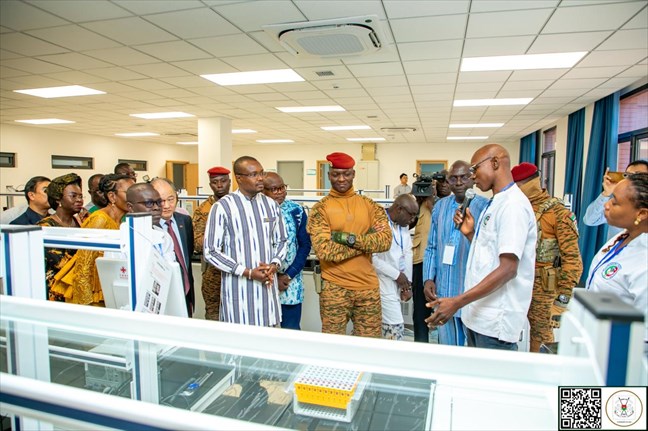
The government’s 2026 budget reflects a broader strategy to enhance healthcare delivery, including infrastructure upgrades, workforce training, and expanded access to essential services. As Burkina Faso continues to prioritize health, other UEMOA nations may follow its lead in increasing public health investments.