Tchad: water access forum brings hope amid lingering doubts
The African Water Forum has opened in N’Djamena, co-organized with the World Bank Group under the theme “From Vision to Action.” The three-day event brings together African heads of state, technical experts, and financial partners to develop strategies for expanding clean water access across the continent.
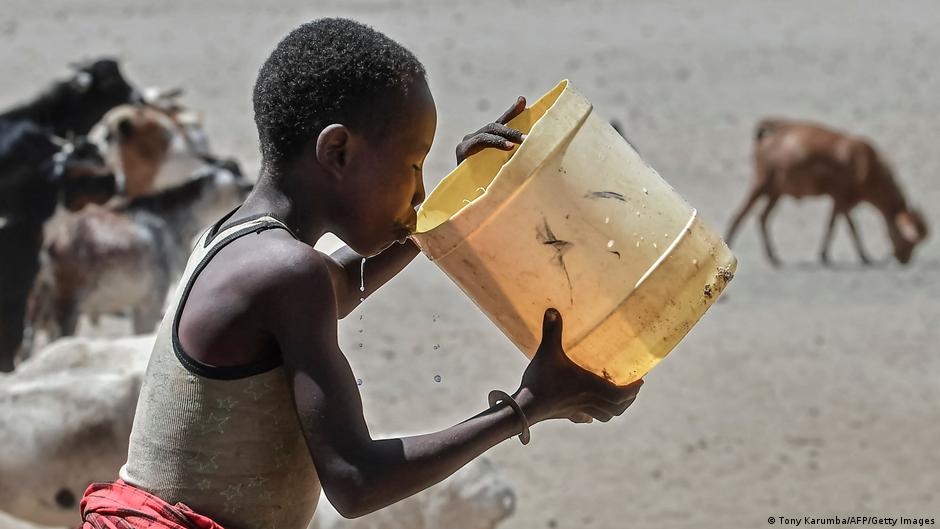
While global attention focuses on high-level discussions, Chad’s water crisis remains a stark reality. Official figures reveal that nearly 40% of the population still lacks reliable access to safe drinking water.
Citizens voice urgent needs
For many Tchadians, the forum represents a critical opportunity to address a pressing daily struggle.
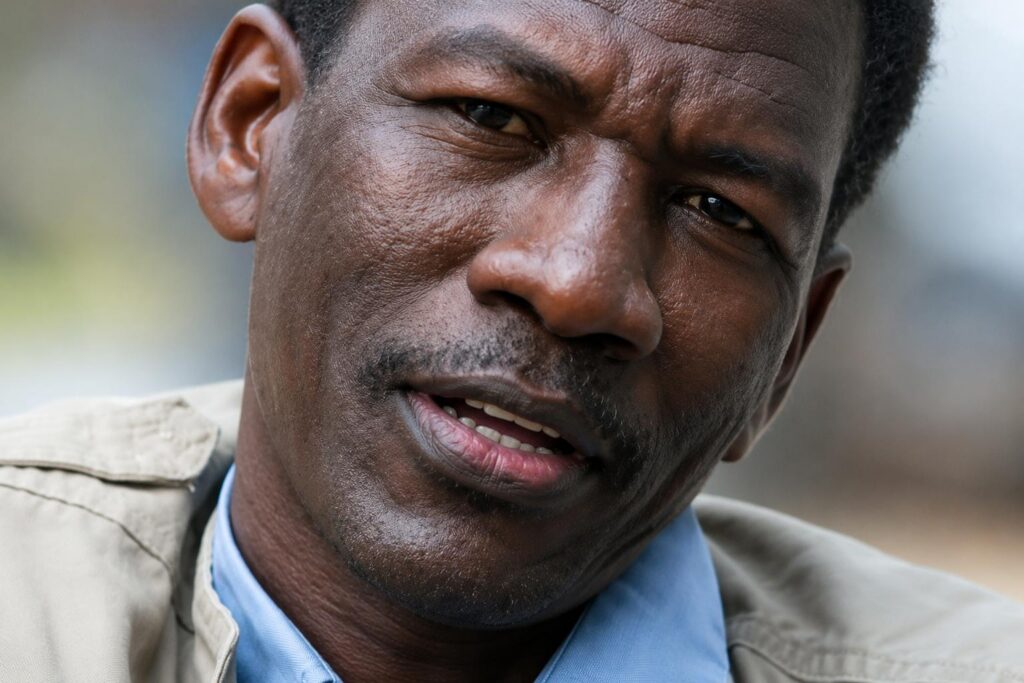
“As a mother and a citizen of Chad, I desperately need this forum to deliver real change in water access. The quality of water some families drink is appalling. If this event can make a difference, why not hope for it?” shares Eliane, a housewife in N’Djamena.
The forum aims to convert political commitments into tangible projects by fostering collaboration between governments, donors, and private investors to fast-track hydraulic infrastructure development.
Skepticism lingers over impact
Not everyone shares the optimism. Richard, a local teacher, voices deep doubts: “We’ve seen countless forums before, yet nothing changes. Why would this one be different? It requires more than words—it needs real political will.”
Moussa, a small business owner, echoes similar concerns: “The funds spent organizing this event could have built thousands of water points across the country. Often, these gatherings end with empty promises that never materialize.”
These perspectives highlight the gap between ambitious declarations and the harsh realities faced by rural communities, where access to clean water remains a distant dream.
Deep disparities across regions
While national statistics claim 63.5% of Chad’s population has access to clean water, the reality is far more fragmented. In regions like Guéra, Wadi Fira, and Sila, coverage drops to between 10% and 21%.
Many communities still rely on contaminated ponds or shallow, unsafe wells, leading to severe public health crises. Waterborne diseases and malnutrition remain widespread, particularly in rural and underserved areas.
The National Human Rights Commission (CNDH) has urged the government to prioritize water infrastructure, sanitation, and climate-resilient water management. “Water access is not just about survival—it’s about peace, social cohesion, food security, and human development,” stresses its president, Belngar Larmé Laguerre.
The CNDH calls for sustained investment in water systems, stronger international partnerships, and policies that adapt to climate challenges to ensure long-term solutions.
Governance concerns overshadow progress
The forum’s organization, overseen by the Ministry of Finance rather than the Water Ministry, has raised eyebrows among development experts. Critics argue this reflects systemic shortcomings in water policy governance.
With millions of Tchadians still waiting for sustainable access to clean water, the event’s success will ultimately be measured not by speeches, but by tangible improvements in their lives.