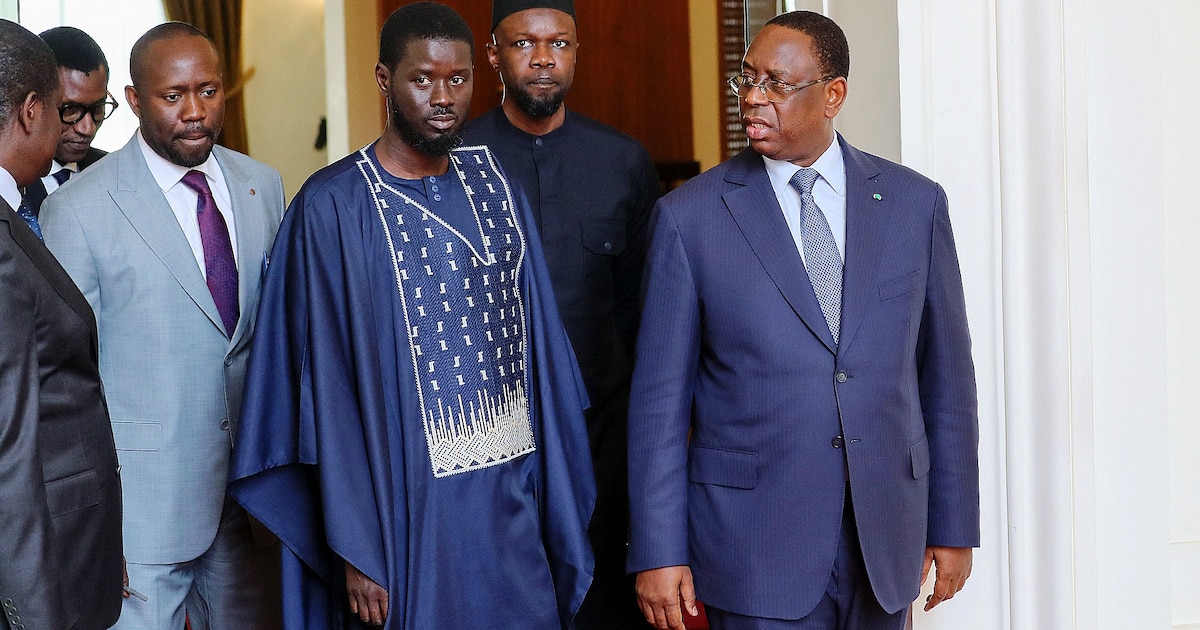
The political landscape of Senegal is once again in turmoil following the surprise announcement of former President Macky Sall’s imminent return to the country. Scheduled for landing at Dakar’s Yoff military airport this Friday, the visit—marked by a highly anticipated meeting with his successor, Bassirou Diomaye Faye—has sent shockwaves through the nation. The timing of this arrival, just two years after Sall’s electoral defeat, has left many citizens questioning the motives behind his visit.
a divisive homecoming
The return of Macky Sall is far from a routine diplomatic gesture. For many Senegalese, it symbolizes the resurgence of an era they had hoped to leave behind. The former president’s legacy remains deeply controversial, particularly due to the harsh crackdowns on dissent during his tenure. Memories of political repression, mass arrests, and the tragic loss of lives during protests between 2021 and 2024 continue to fuel public resentment.
Among those still grappling with the scars of that period is Aly Coly, a political activist who spent months imprisoned alongside seven family members—including his wife and infant son—simply for supporting the opposition. “They even jailed my wife and our three-month-old baby. Now, to see our president welcoming the man responsible for all this? It’s unbearable,” he expressed with palpable anger. His sentiments reflect a widespread sentiment of betrayal and unresolved injustice among Senegalese citizens.
unanswered questions and lingering grievances
The timing of Sall’s visit is particularly sensitive, given the turbulent political climate that preceded Bassirou Diomaye Faye’s rise to power. Faye himself was once a political prisoner, detained alongside key members of his party, Pastef, in the lead-up to the 2024 elections. The irony of his meeting with Sall has not been lost on observers or the public, who see it as a stark contradiction to the promises of change that propelled Faye into office.
Critics argue that no accountability has been served for the violence and repression that occurred under Sall’s administration. “No investigations, no consequences—just a return to business as usual,” remarked Aly Coly. The frustration is palpable, with many accusing Faye of backtracking on his commitments to dismantle the old system.
beyond borders: sall’s global ambitions
While the domestic implications of Sall’s visit are contentious, there is more to this trip than meets the eye. In a statement, Sall confirmed that his brief stay in Senegal is tied to his candidacy for the position of United Nations Secretary-General. His bid, which he presented to the UN General Assembly in April, positions him as a champion of multilateralism and impartiality. However, his campaign has so far failed to secure the backing of the African Union or his own government, leaving the outcome uncertain.
For many Senegalese, the idea of Sall leading the UN is deeply troubling. “The UN’s purpose is to uphold human rights. How can someone responsible for 60 deaths as president lead such an institution?” questioned Aly Coly. Yet, others see potential benefits for Senegal’s international standing. Maurice Soundieck Dione, a political science professor at the Université Gaston Berger, noted, “This could enhance the country’s image, making it more attractive to foreign investors and securing much-needed capital.”
a strategic move or a political misstep?
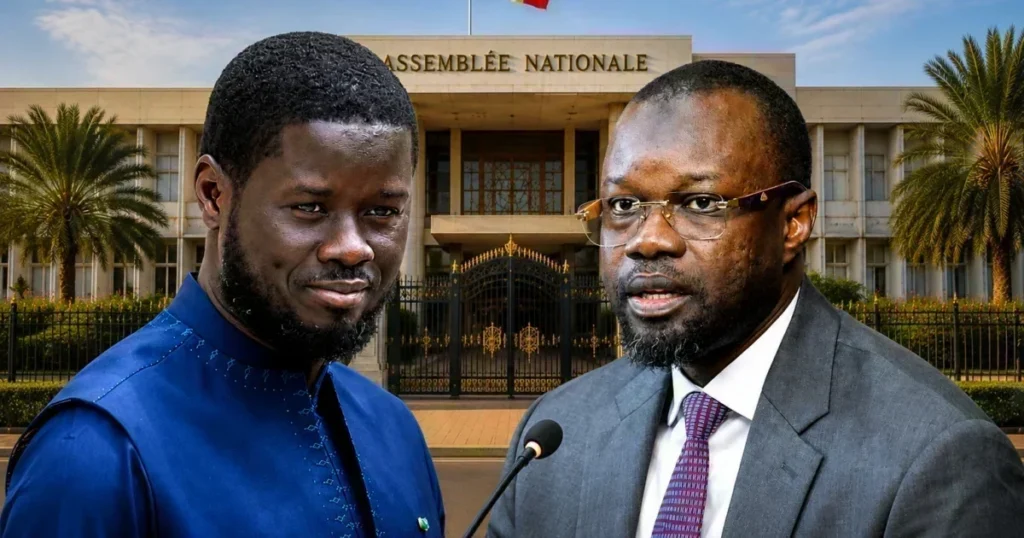
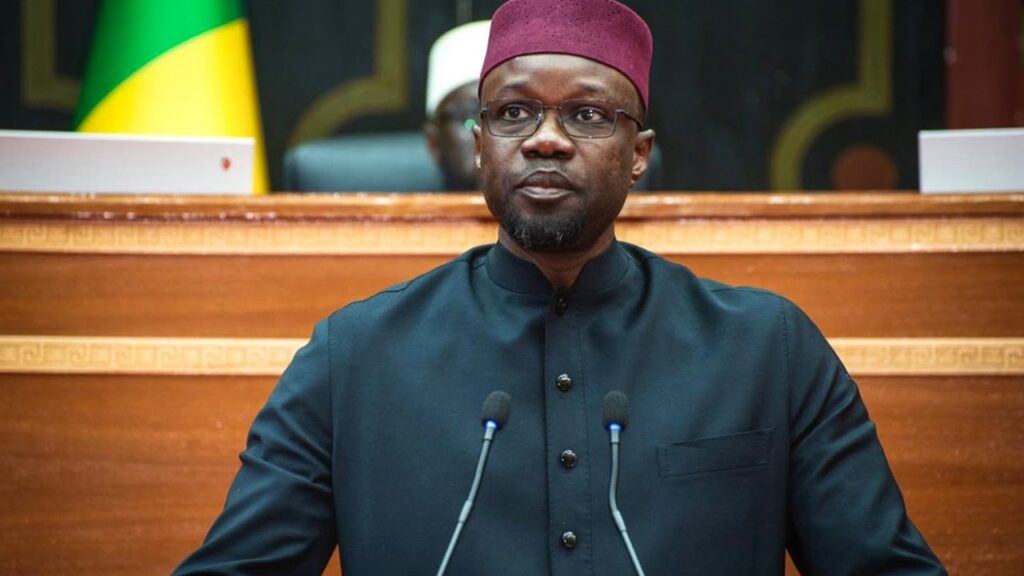
The meeting between Sall and Faye is seen as a calculated move by the current president, who may be seeking to strengthen his alliances in a politically fraught environment. Tensions have been rising between Faye and his former mentor, Ousmane Sonko, whose influence in the National Assembly could pose challenges to Faye’s agenda.
“This meeting is not as surprising as it seems,” explained Maurice Soundieck Dione. “It reflects the evolving political dynamics of recent months. Faye may be looking to secure new allies, even if it means alienating his base.” Critics argue that Faye’s willingness to engage with Sall undermines his credibility, particularly among supporters who expected a clean break from the past.
Culturally, the perception of betrayal runs deep in Senegalese society, where loyalty to mentors and elders is highly valued. “Many see this as a betrayal of Sonko, and culturally, that is a serious transgression,” Soundieck Dione added. As the nation watches closely, the outcome of this meeting could either isolate Faye further or mark the beginning of a new political alliance.
The return of Macky Sall is more than a symbolic gesture—it is a litmus test for Senegal’s democratic resilience and its ability to confront its past while navigating an uncertain future.