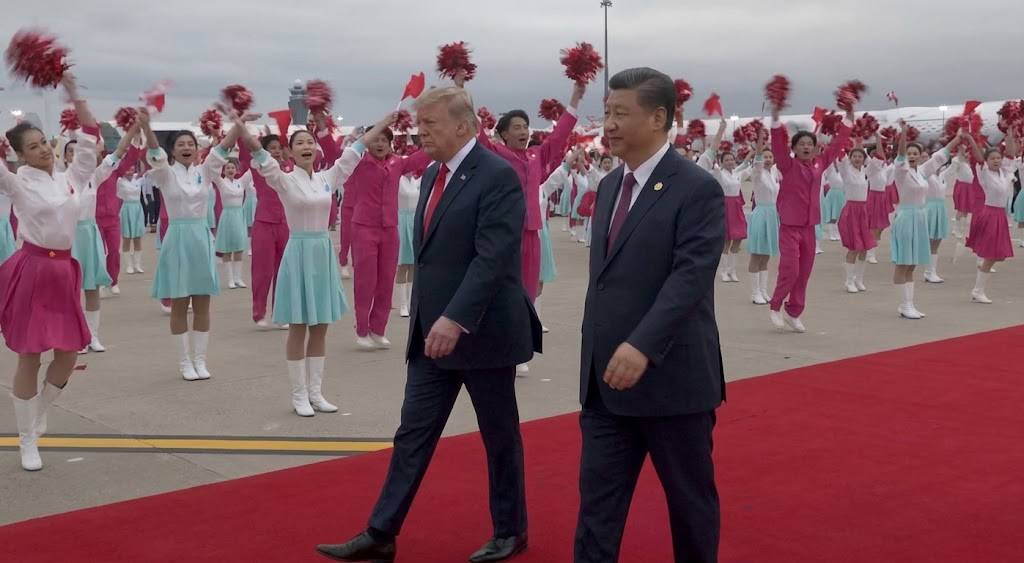
The air was thick with anticipation as Air Force One touched down in Shenzhen on Wednesday, carrying Donald Trump into Chinese airspace for a diplomatic milestone. The APEC summit hosted by China took a historic turn with the announcement of a trilateral meeting between the American president and his counterparts, Xi Jinping and Vladimir Putin. Anticipation mounted ahead of Thursday’s closed-door discussions as the world wondered: what will this unprecedented gathering mean for global power dynamics?
After the handshakes: what comes next for the three superpowers?
The trilateral summit in Shenzhen is more than a symbolic gathering—it’s a potential inflection point in 21st century geopolitics. Donald Trump arrives with a mandate to protect American economic and security interests, while pushing for progress on nuclear arms control. Xi Jinping, fresh from solidifying China’s role as a global mediator, hosts both allies and adversaries under one roof. Meanwhile, Vladimir Putin seeks to break diplomatic isolation, using the summit to reaffirm Russia’s voice in global security talks despite ongoing Western sanctions.
Analysts are divided over the summit’s long-term impact. Some see it as a rare opportunity to reset deteriorating U.S.–China–Russia relations. Others caution that deeply entrenched positions—especially on Ukraine and technology sanctions—may leave little room for meaningful compromise. One diplomat noted, “The optics will be historic, but optics alone won’t change global realities.”
Controversy erupts as Shenzhen summit dominates global conversation
Public reaction has been swift and polarized. Proponents argue that direct dialogue between nuclear powers is essential to prevent miscalculation and escalation. Critics warn that any perceived alignment between Washington, Beijing, and Moscow could sideline smaller nations and weaken international institutions.
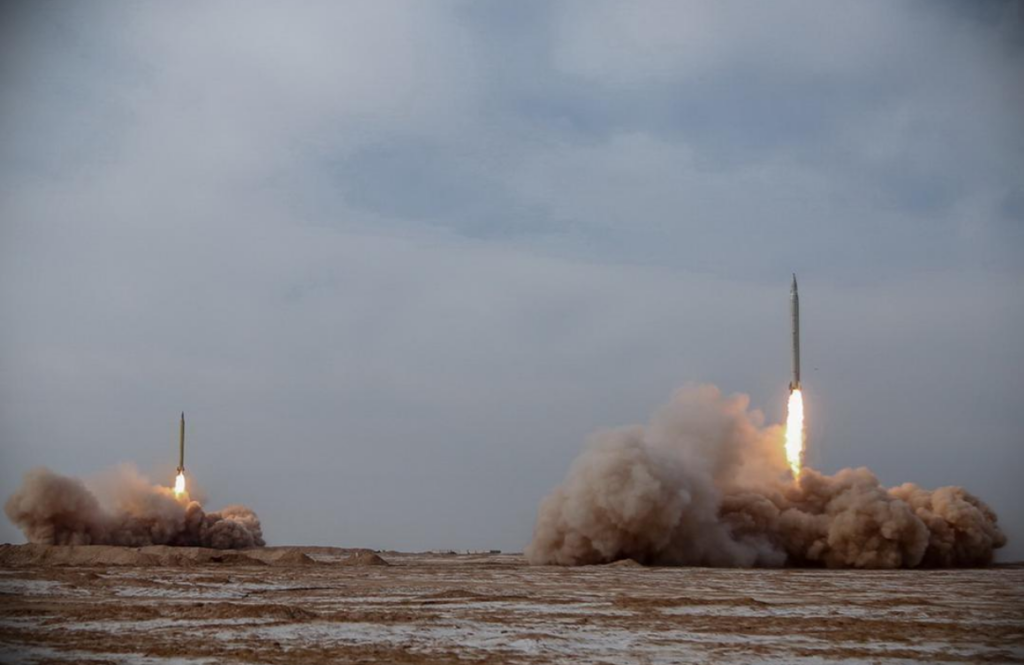
- Nuclear disarmament: Trump has signaled openness to renewed arms control talks, but whether Russia and China will commit remains uncertain.
- Ukraine war: While the U.S. seeks a diplomatic end to hostilities, Putin’s conditions remain non-negotiable for most Western observers.
- Trade and tech restrictions: Talks on semiconductor and advanced tech exports could ease or escalate global supply chain tensions.
The scrutiny extends beyond the negotiating table. Protesters in Shenzhen and online forums worldwide have raised alarms over potential collusion among the three powers. At the same time, governments in Europe and Asia are closely monitoring whether this summit leads to concrete policy shifts—or just empty rhetoric.
Shenzhen summit echoes past power plays—but with crucial differences
Some have drawn comparisons to the 1945 Yalta Conference, where Roosevelt, Churchill, and Stalin reshaped postwar Europe. Yet today’s geopolitical landscape is far more fractured. Unlike 1945, there is no shared vision for a new world order. The United Nations, international law, and regional alliances still hold weight—but can they survive if the world’s three most powerful leaders act unilaterally?
“This is not Yalta,” said a senior diplomat from a non-aligned nation. “There’s no agreement on spheres of influence or a grand design. There’s only a meeting—and the uncertainty that follows.”
From photo ops to policy shifts: measuring the summit’s real impact
The test of the Shenzhen summit lies not in the statements released or the handshakes captured on camera, but in what happens after the delegations depart. Will this meeting lead to de-escalation in Ukraine? Will nuclear negotiations resume in earnest? Can trade tensions between Washington and Beijing find common ground?
One thing is certain: the outcome will shape global narratives for years. As Shenzhen prepares for tomorrow’s headlines, the world waits—holding its breath to see if this historic summit becomes a turning point or just another missed opportunity in a fragile century.
What changes after Shenzhen? The answer may define the next decade of global politics.