Behind-the-scenes of Congo’s ADF violence: what drives civilian bloodshed in Ituri?
Report from the ground in Ituri Province
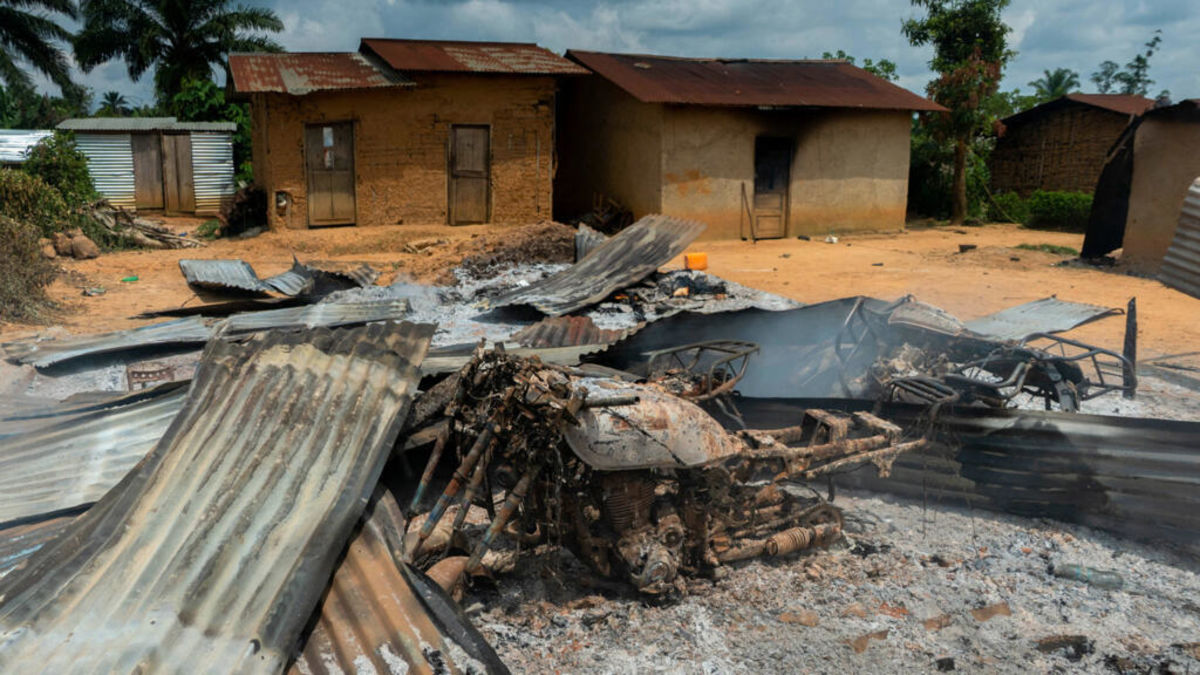
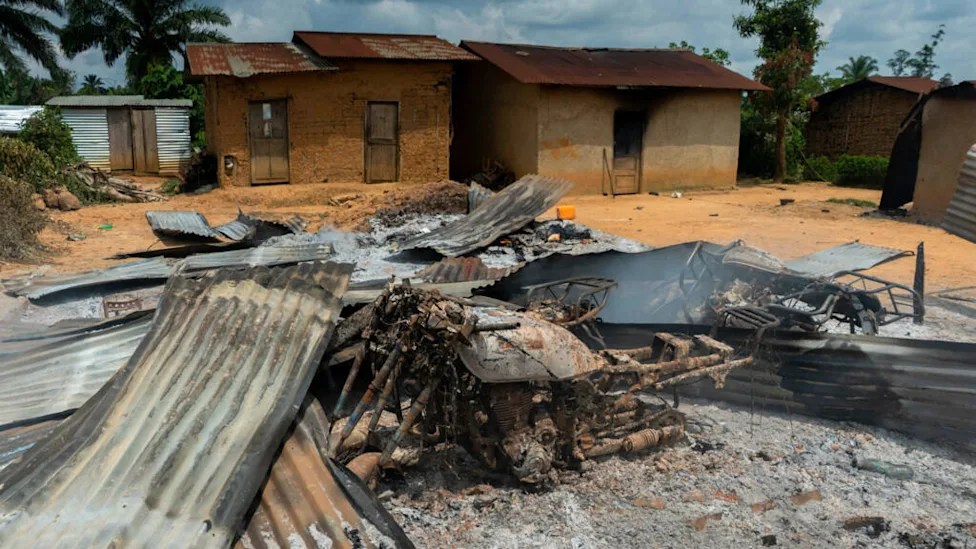
The recent surge in violence by the Allied Democratic Forces (ADF) in Ituri Province has left at least 44 civilians dead in coordinated attacks. These assaults, spreading across six villages in the Bangole area on November 12 alone, reveal deeper dynamics at play beyond the immediate devastation.
The attack pattern exposes a calculated strategy: first targeting areas rich in economic resources like cocoa fields, then expanding into regions with no obvious financial incentive. This suggests a shift in the ADF’s operational priorities, raising questions about their evolving motives and regional destabilization efforts.
The human toll: provisional figures and unanswered questions
The death toll continues to rise as access to certain villages remains restricted due to ongoing ADF presence. Initial reports indicate 14 fatalities in the Bangole attacks, while separate assaults in the Babila Babombi chiefdom are estimated to have claimed around 30 lives. Rescue teams and local authorities are struggling to reach these areas, leaving families in limbo.
Local civil society leaders, speaking on condition of anonymity, highlight the psychological warfare accompanying these attacks. Survivors report systematic destruction of homes and crops, compounding the trauma and displacing thousands. The ADF’s tactics appear designed not just to kill, but to instill fear and disrupt daily life for years to come.
What’s driving the ADF’s expansion?
While the Ituri region’s cocoa fields have long been a target due to their economic value, recent attacks in the cocoa-free Haut-Uele Province suggest strategic diversification. Analysts point to several possible factors:
- Resource control: Securing access to fertile land and minerals, particularly gold, which has seen increased informal mining activity.
- Expansion strategy: Creating new strongholds to evade military pressure in traditional areas like North Kivu.
- Ethnic targeting: Exploiting intercommunal tensions to gain local alliances or weaken rival factions.
- Foreign influence: Potential links with other armed groups or regional players seeking to exploit Congo’s instability.
A civil society representative from Mambasa Territory notes, « The attacks aren’t just about economic gain anymore. The ADF is methodically spreading its influence, making regional stabilization nearly impossible without addressing these root causes.»
Government response: between helplessness and delayed action
Local authorities admit their limited capacity to respond effectively. Military operations in the region have struggled to prevent these incursions, with some communities accusing security forces of being overwhelmed or even complicit in certain cases.
The government’s delayed reaction raises concerns about its commitment to protecting civilians. While emergency aid has been promised, the lack of a comprehensive security strategy leaves populations vulnerable to further attacks. The recurrent nature of these assaults indicates systemic failures in intelligence-sharing and inter-agency coordination.
For residents like those in Bangole, survival depends on immediate humanitarian intervention. « We need protection now, » says a local farmer. « Otherwise, we’ll be erased from our own land.»
Looking ahead: can the cycle of violence be broken?
Experts argue that addressing the ADF threat requires a multi-pronged approach:
- Community engagement: Building trust with local populations to isolate extremist elements.
- Economic alternatives: Developing viable livelihood programs to reduce reliance on illicit mining and farming.
- Regional cooperation: Coordinating with neighboring countries to cut off supply routes and weapons trafficking.
- Justice and accountability: Pursuing both military and legal solutions to dismantle ADF networks.
The ADF’s evolving tactics demand a more nuanced approach than traditional military responses. Without addressing the underlying grievances and regional dynamics, the violence in Ituri will likely continue to escalate, leaving a trail of destruction that extends beyond the immediate casualties.