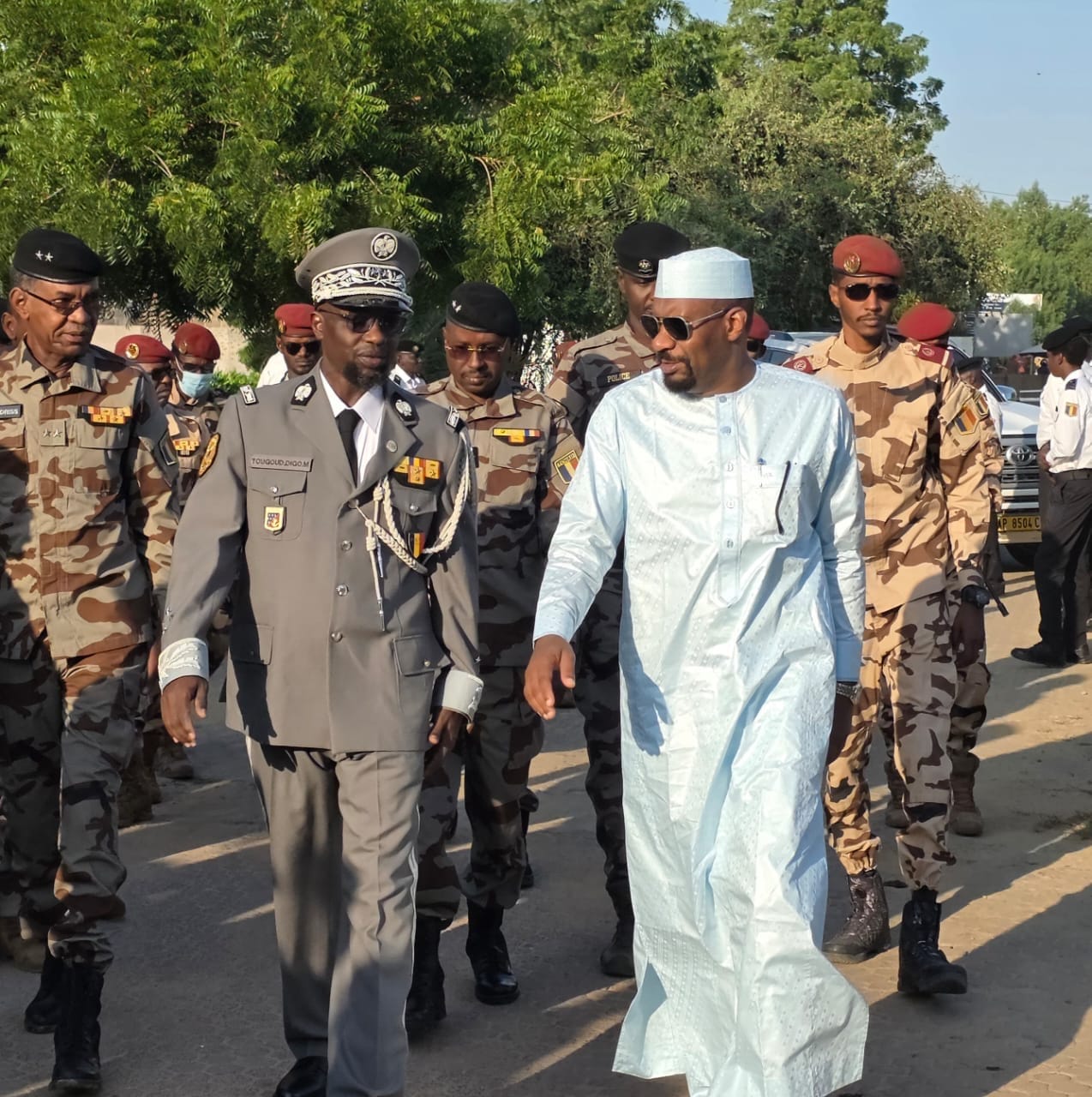
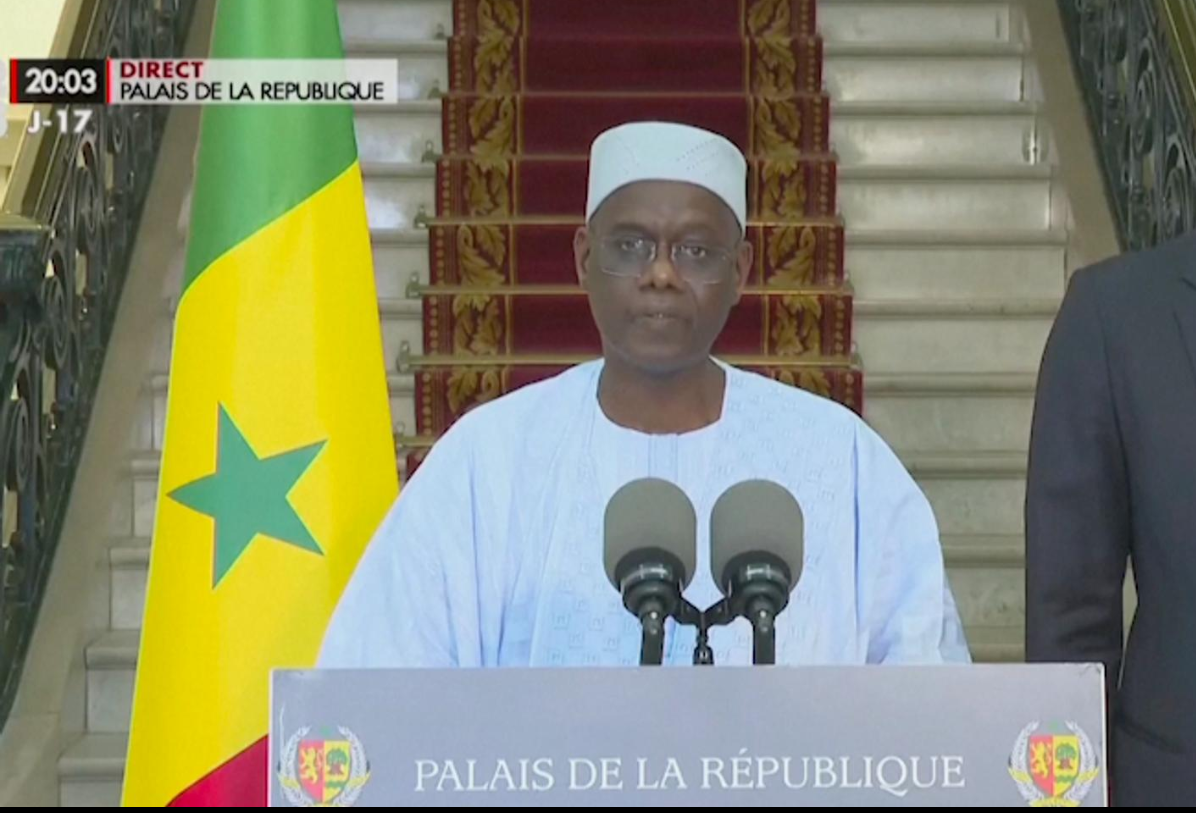
Uncovering the operational backbone of Chad’s latest security milestone The arrest of Bichara V8 on October 26, 2026, wasn’t just a breakthrough in Chad’s law enforcement—it was the result of a meticulously coordinated operation. Behind the headlines, three police officers played a pivotal role in the mission’s success. Their exceptional performance earned them recognition during an official ceremony attended by Chad’s Minister of Public Security, the Director General of the National Police, and the Director General of the National Gendarmerie. Each officer was awarded a vehicle from GAZCOM, symbolizing the…
Read MoreDay: October 26, 2026
Brazil election aftermath: Flávio Bolsonaro challenges Lula’s victory amid legal and political uncertainty
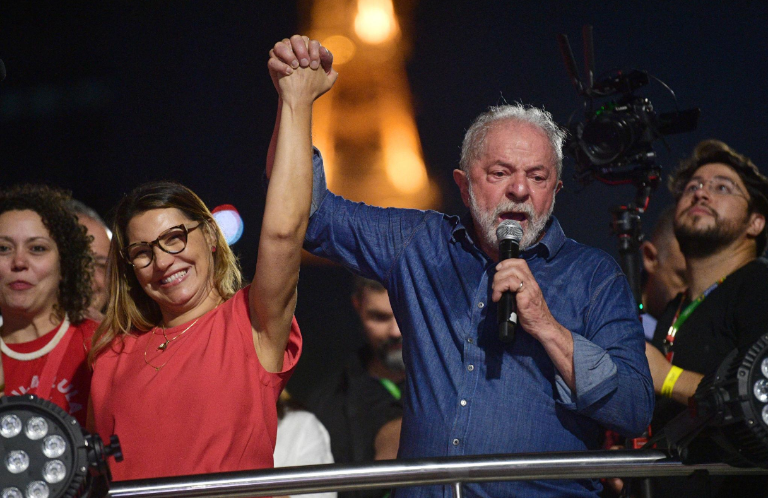
Brazil’s political landscape remains in turmoil after Luiz Inácio Lula da Silva secured a historic fourth term as president, but his victory is already under fire from rival Flávio Bolsonaro. The right-wing senator has launched a legal challenge, alleging irregularities in the election process and demanding the results be annulled. As the nation grapples with the fallout, the debate over the election’s fairness and the future of Brazilian democracy intensifies. The contested victory and the legal battle ahead Final official results confirm Lula’s narrow but decisive win, with 51.79% of…
Read MoreMénaka massacre: northern Mali grapples with security vacuum after 54 civilian deaths
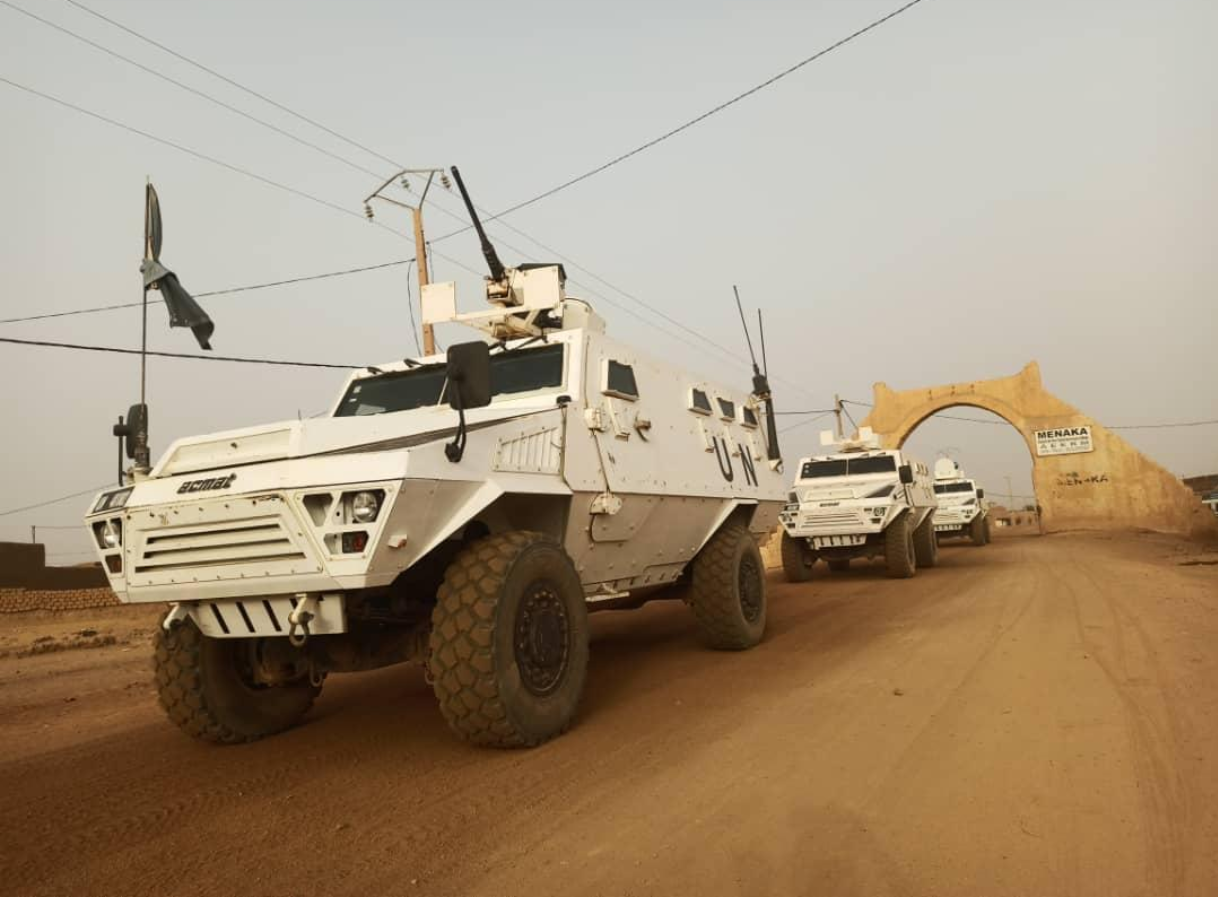
After the mass killings in Tagadayat, Mali faces urgent questions about civilian protection The discovery of 54 bodies in the village of Tagadayat, just 35 kilometers southeast of Ménaka, has exposed the devastating consequences of Mali’s prolonged security crisis. In the wake of coordinated armed assaults, the incident reignites debates over the government’s ability to safeguard civilians in the most vulnerable regions of the country. While officials scramble to respond, the tragedy underscores a troubling reality: communities in northern Mali are increasingly left without effective state protection. The latest attack…
Read MoreTogo’s phosphate industry at a crossroads: public debate and next steps for UEMOA’s fertilizer plan
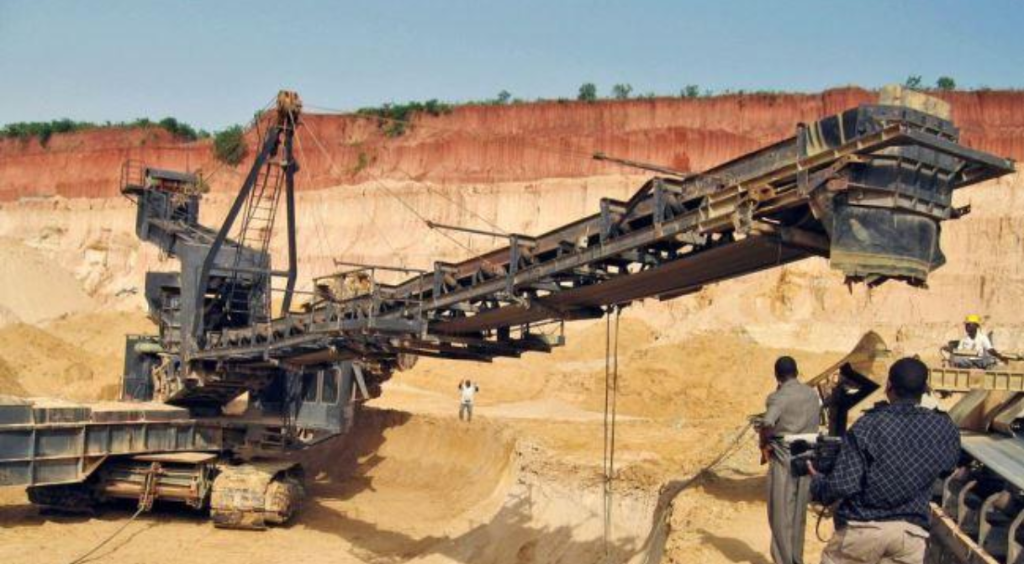
Public scrutiny intensifies over Togo’s phosphate-driven fertilizer initiative As the UEMOA’s ambitious phosphate-to-fertilizer industrialization plan gains momentum, public debate in Togo is heating up over the project’s feasibility, financial commitments, and long-term impact. The regional initiative, which aims to reduce West Africa’s reliance on imported fertilizers, has placed Togo at the center of a high-stakes industrial transformation. But with over 1.4 trillion CFA francs on the line, stakeholders are questioning whether the vision can outpace the challenges. Why Togo was selected for the UEMOA fertilizer hub Togo’s phosphate reserves have…
Read MoreSenegal’s political deadlock: what’s next after lawmakers reject revised budget
With the revised finance bill set for final debate, Senegal’s government is scrambling to avoid a political crisis after ruling party lawmakers dealt it an unexpected blow. The rejection of the bill in committee has exposed deep divides within the ruling coalition and left the fate of the government’s economic agenda hanging in the balance. From rejection to reckoning: the parliamentary shockwave The timing could not have been worse. Just days before the bill was due for a crucial parliamentary vote, lawmakers from President Bassirou Diomaye Faye’s own coalition rejected…
Read MoreUnlocking Cameroon’s oil supply chain: how proposed financing models could reshape energy imports
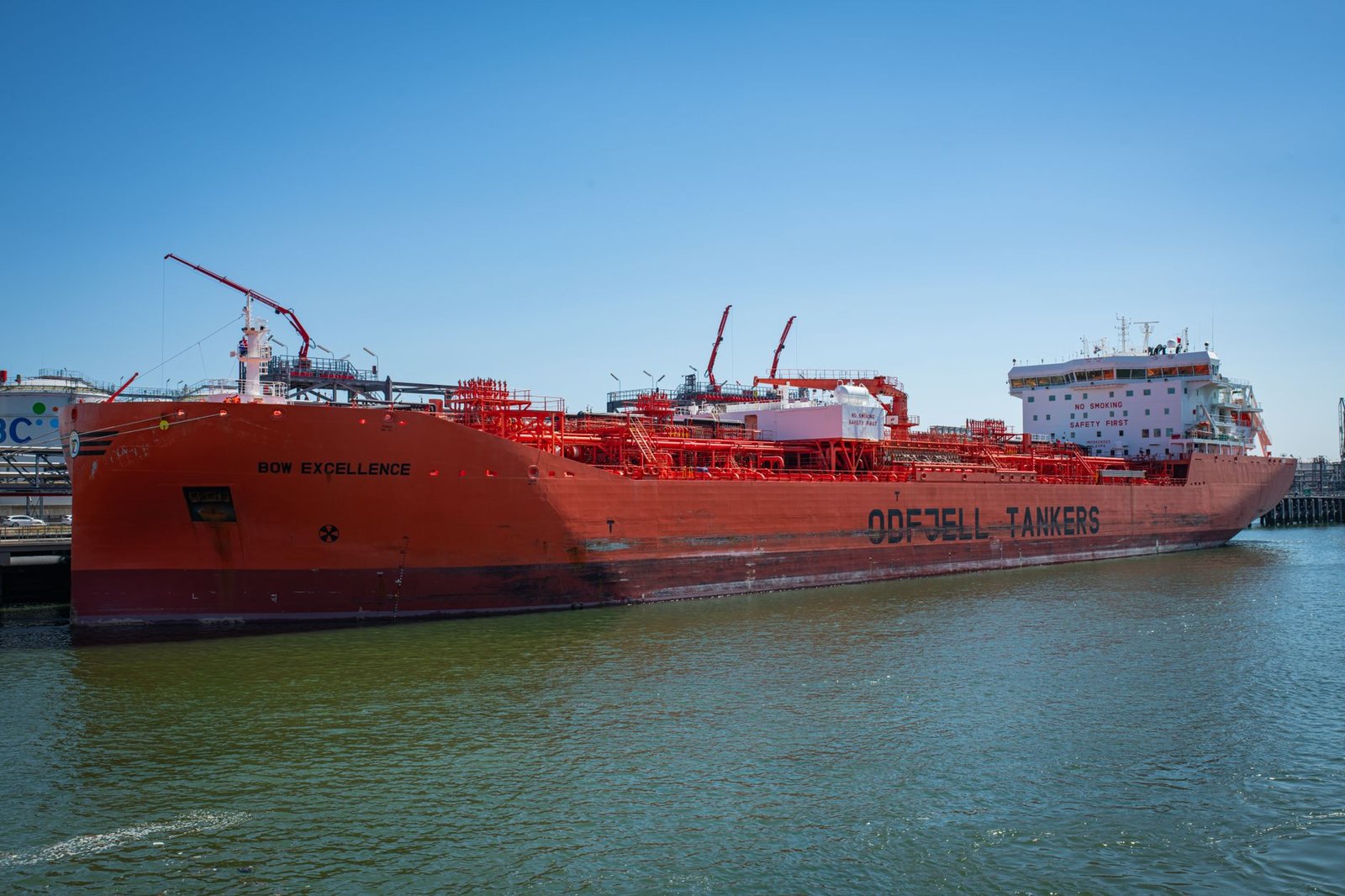
In a high-stakes meeting held in Yaoundé on October 20, 2026, Minister of Water and Energy Gaston Eloundou Essomba engaged with a powerful delegation led by Cédric Ketchanga of KC Trade International, unveiling a behind-the-scenes initiative that could redefine how Cameroon sources its fuel. The proposal hinges on a high-risk financing mechanism aimed at addressing the country’s growing dependence on imported petroleum products—a gap widened since the 2019 Sonara refinery disaster. Behind the scenes of a high-stakes energy deal The negotiation table saw two global trading giants—BGN, led by Rüya…
Read MoreBenin’s new Afro-descendant citizens spark debate over economic promise and challenges ahead
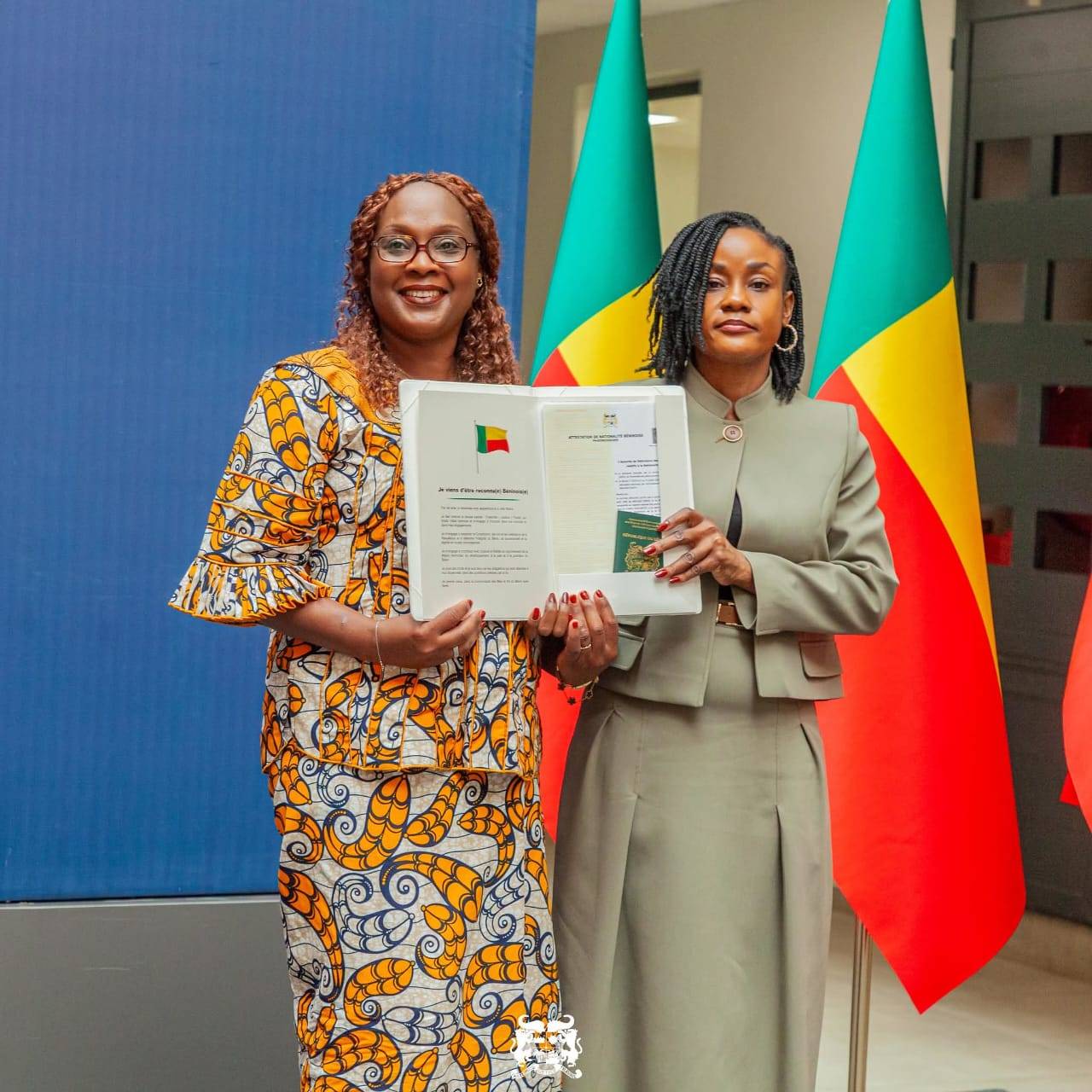
The recent conferment of Beninese citizenship to 53 Afro-descendants has ignited public discussion about the country’s next steps in harnessing diaspora connections for economic revival. While the ceremony at the Cotonou judicial complex marks a historic moment of reconnection, critics and supporters alike are questioning whether this policy will translate into tangible development for local communities or remain a symbolic gesture. From symbolic gesture to economic driver: can Benin cash in on its diaspora? The decision to grant nationality to these 53 individuals follows Benin’s ongoing efforts to strengthen ties…
Read MoreNiger’s refoundation charter raises questions about foreign troop deployment legitimacy
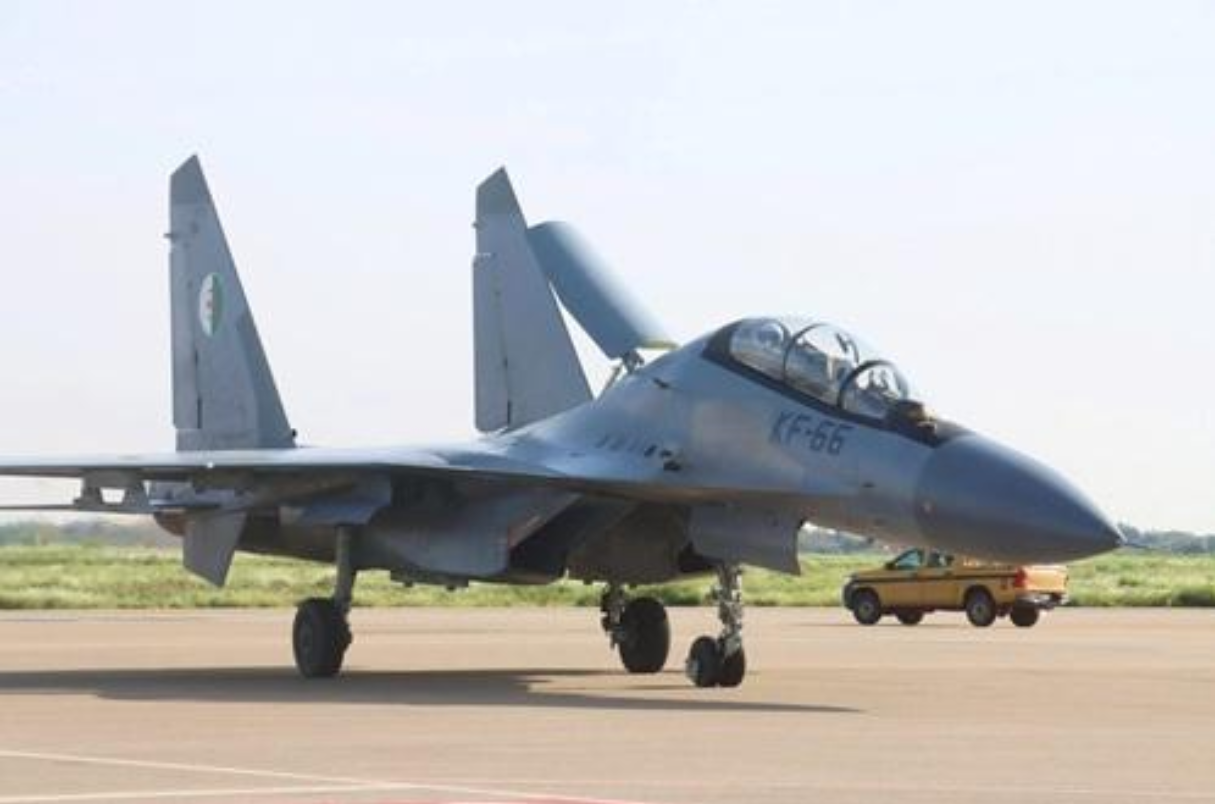
Public scrutiny grows over Niger’s decision to allow Algerian troops The announcement of Algeria’s military deployment to Niger has sparked intense debate about whether Niamey violated its own constitutional framework by failing to consult citizens on such a critical sovereignty issue. What Does Niger’s Refoundation Charter Require? The 2025 charter establishes that foreign military presence requires either a national referendum or a presidential decree in emergency cases—after consulting the Refoundation Advisory Council. With Algeria’s parliament approving troop deployment on October 25, 2026, Niger now faces pressure to justify its compliance…
Read MoreNiger responds as explosive claims surface about Pascal Tigri’s whereabouts
The airing of a high-profile testimony on Niger’s national broadcaster has reignited speculation about the whereabouts of Colonel Pascal Tigri, the alleged mastermind behind the failed coup attempt in Benin last December. The dramatic declaration by Nigerian police inspector Habibou Oumarou Mamane, known locally as ‘The Rebel,’ aired on October 23, 2026, alleges an intricate web of contacts, payments, and intermediaries, all allegedly working to locate Tigri within Niger’s borders. But with claims swirling in a charged diplomatic climate, the testimony raises as many questions as it answers. What concrete…
Read MoreNiger’s military regime: promises of change falter as crises deepen after 2023 coup
From overthrow to oversight: the promises of Niamey’s junta in the crossfire The July 2023 overthrow of democratically elected President Mohamed Bazoum was sold to Nigeriens as a turning point—one that would end corruption, restore security, and reclaim national sovereignty. Three years later, the ruling National Council for the Safeguarding of the Homeland (CNSP) faces a stark reality: instead of reversing the country’s decline, its rule has deepened existing crises and introduced new ones. The question now is no longer about the past failures of Bazoum’s administration, but whether the…
Read MoreNiamey’s fuel crisis: how Algerian supply deals fuel public debate and economic fallout
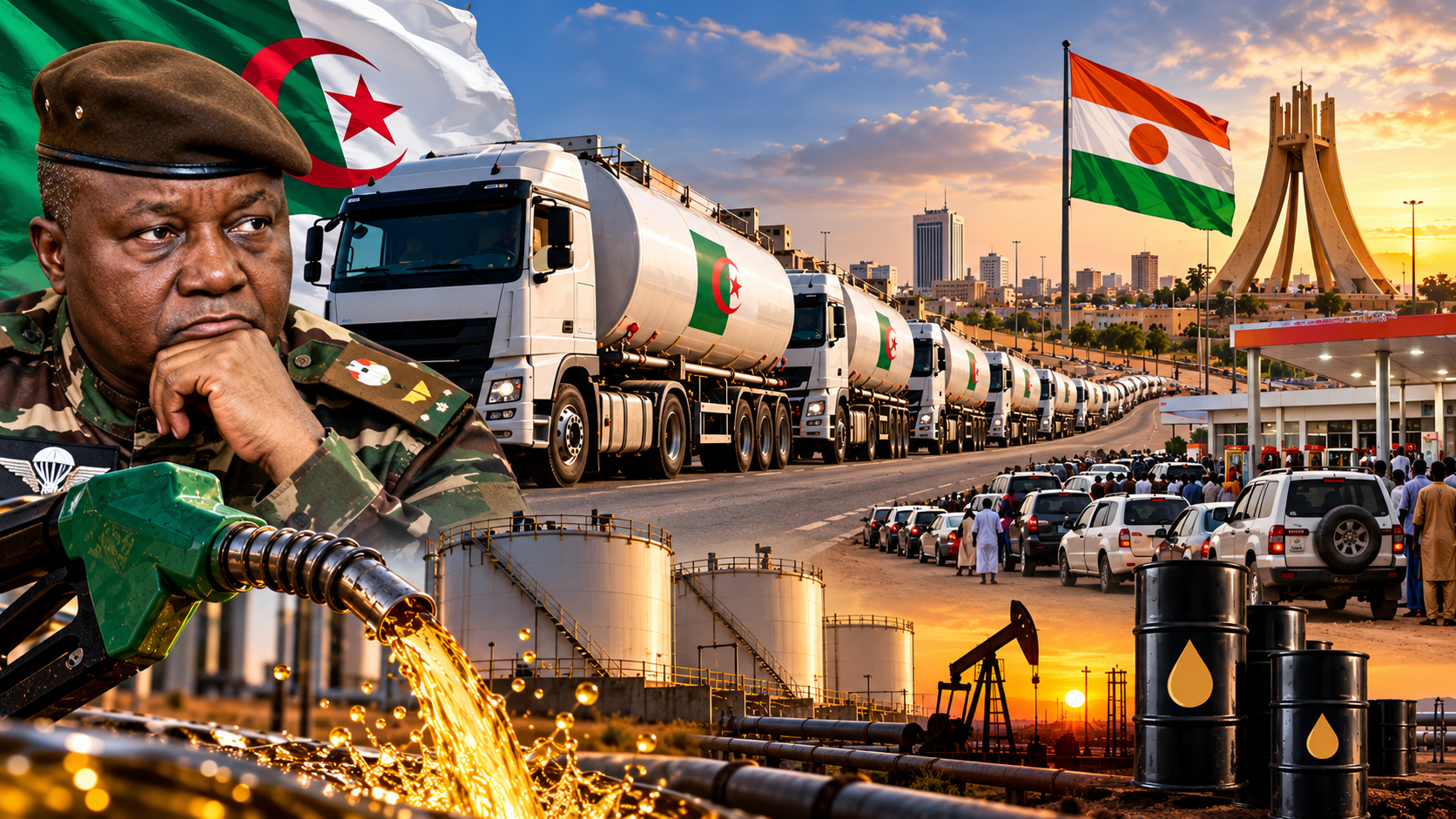
After months of uncertainty and fluctuating supply chains, Niamey has received an unexpected lifeline in the form of 3.75 million liters of diesel from Algeria. The shipment, originally intended for Agadez, has triggered a wave of questions about priorities, costs, and the long-term resilience of Niger’s fuel infrastructure. As public scrutiny intensifies, policymakers face mounting pressure to clarify the rationale behind the delivery and justify the financial and strategic implications of this emergency supply. From Agadez to Niamez: why the cargo changed course The 150 tankers, each carrying 25,000 liters,…
Read MoreCameroon’s Ebola readiness: behind the scenes of border surveillance
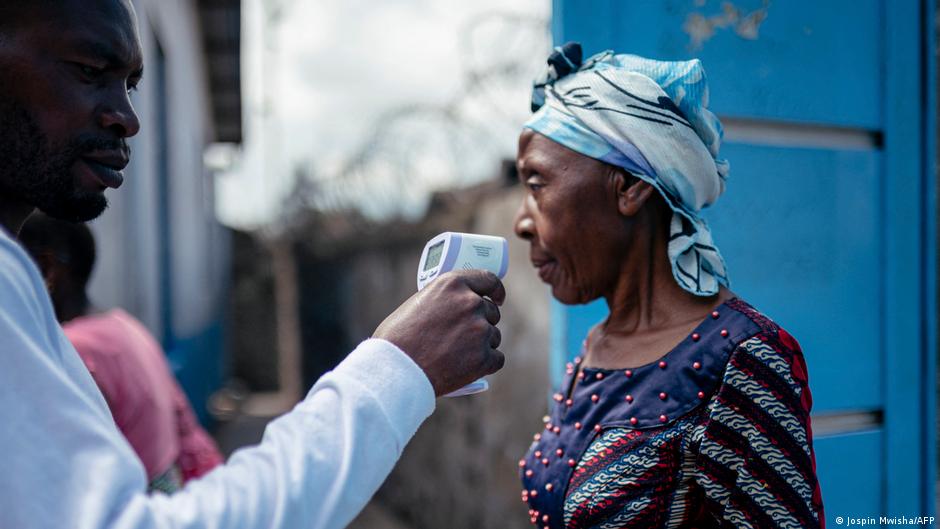
As Nigeria reports a confirmed Ebola case just across the border, Cameroon is scrambling to shore up its defenses against a potential outbreak. This isn’t just another health alert—it’s unfolding against the backdrop of an ongoing cholera crisis in the Far North region, where hospitals are already stretched thin. The warning signs are clear: more than 1,500 kilometers of porous borders stretch between Cameroon and Nigeria, a landscape where porous trade routes and daily human movement make containment a formidable challenge. In the capital, Yaoundé, residents like agronomist Aurélien Ngouffo…
Read More