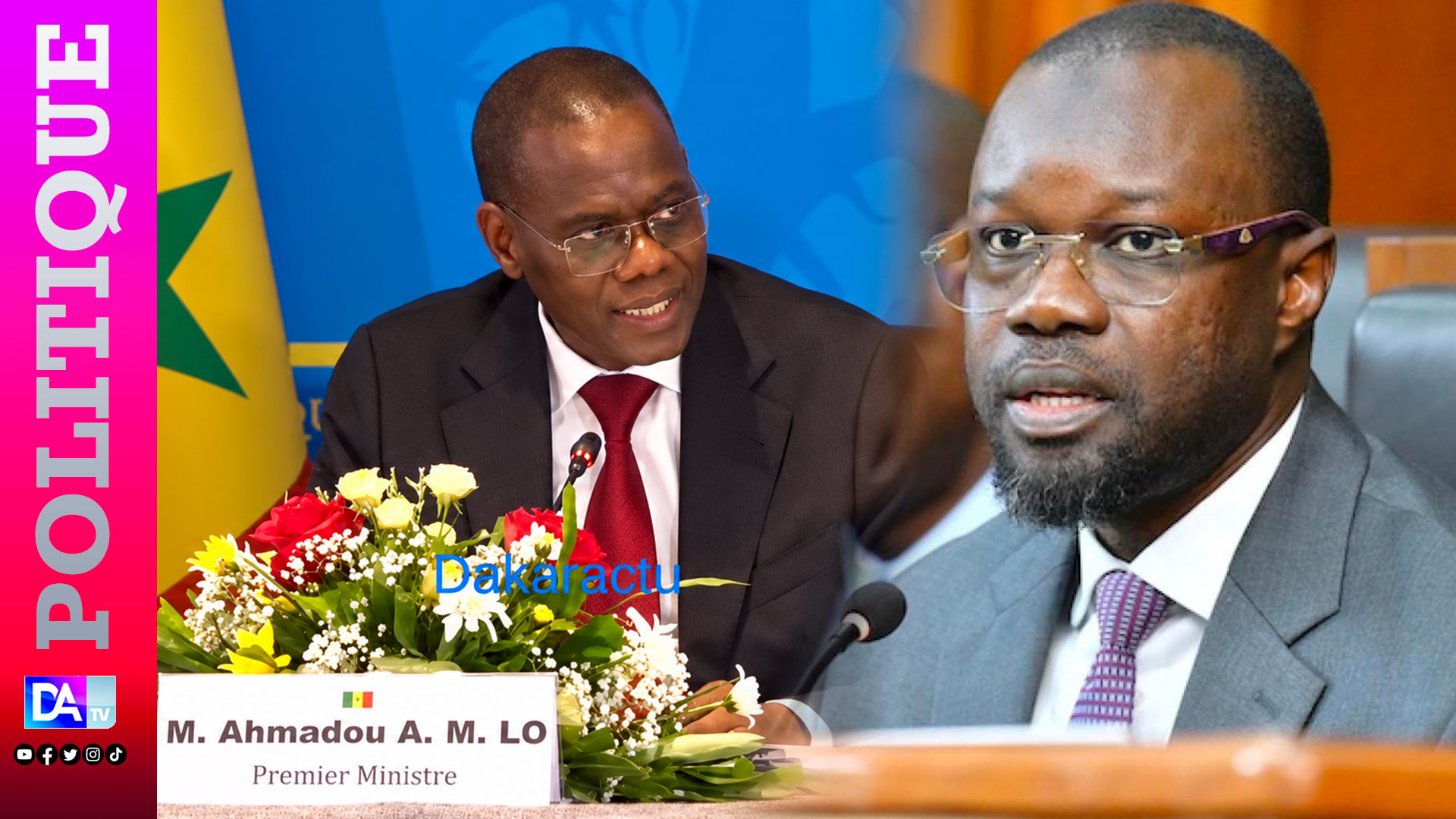
The unveiling of Senegal’s Rectified Finance Law (LFR) for 2026 has exposed deep-seated contradictions within the political and economic landscape, as Prime Minister Al Aminou Lo defends the adjustments against sharp criticism from opposition factions. While the LFR was initially framed as an extension of the 2026 Finance Law presented by former Prime Minister Ousmane Sonko—approved by an overwhelming majority—the current National Assembly president now stands as one of its fiercest detractors. The debate has sharply intensified, revealing how economic unpredictability and shifting political loyalties are reshaping the nation’s financial narrative.
From initial approval to post-vote scrutiny: the shifting ground of the 2026 budget
At the heart of the controversy is the stark difference between the assumptions underlying the original 2026 budget and the realities that have unfolded since its passage. Prime Minister Al Aminou Lo emphasized that the LFR is not a radical departure but a necessary correction to revenue shortfalls and rising operational costs—particularly driven by surging energy prices. The government’s stance hinges on the idea that the adjustments respond to unavoidable external shocks, yet this reasoning has done little to silence critics who question why similar concerns were not raised during the initial budget’s debate and approval.
Lo’s rhetorical challenge to legislators—urging them to substantiate their objections—underscores a broader tension: whose responsibility is it to forecast and adapt when economic conditions deteriorate? The Prime Minister’s position suggests a shared burden of accountability, yet opposition voices argue that the LFR exposes systemic flaws in planning and oversight that were overlooked in the initial legislation.
The energy price volatility: the invisible force driving budget revisions
No factor has shaped the 2026 budget adjustments as decisively as the volatility of global energy markets. Since the initial finance law was adopted, prices have surged unpredictably, straining state coffers and forcing urgent recalibrations. According to insiders close to the budget negotiations, the impact of energy price fluctuations alone accounts for nearly 40% of the revenue shortfalls necessitating the LFR. This reality exposes a critical vulnerability in Senegal’s economic planning—one that both the government and the legislature now struggle to reconcile.
The Prime Minister’s team points to global geopolitical instability, including supply chain disruptions and regional tensions, as the root causes of these financial pressures. Yet detractors argue that the government’s delayed response and failure to integrate hedging strategies into the original budget reflect deeper failures in risk management and long-term fiscal strategy.
Political rifts widen: a budget becomes a battleground for influence
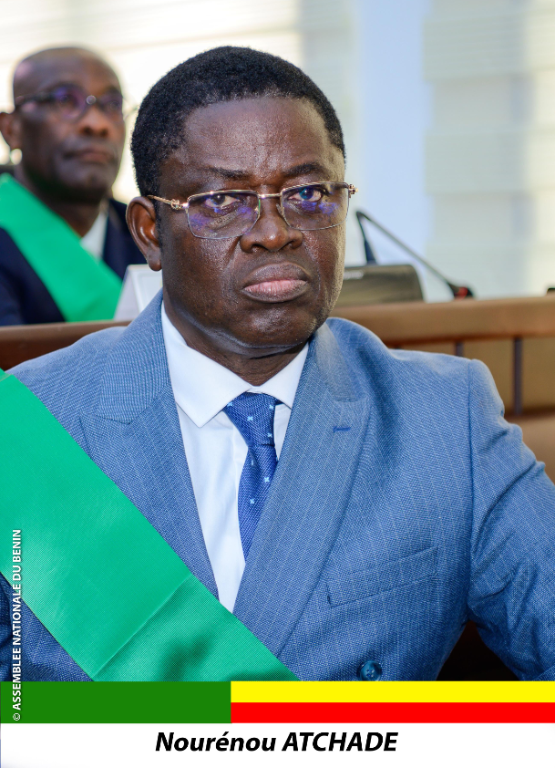
The LFR has morphed from a routine financial adjustment into a flashpoint for political infighting, revealing fractures within the National Assembly and between branches of government. The National Assembly president, once a key ally in Sonko’s administration, now spearheads opposition to the LFR, framing it as a betrayal of the original budget’s promises. His criticism signals not just policy disagreement but a broader realignment of political alliances in the wake of Sonko’s departure from office.
Senior government officials privately acknowledge the strain these tensions place on policymaking, describing a legislative environment where trust has eroded and cooperation feels increasingly transactional. The Prime Minister’s call for parliamentarians to clarify their objections reflects an attempt to restore some semblance of shared purpose—but whether this strategy will bridge divides or deepen them remains uncertain.
What’s next for Senegal’s 2026 budget? Navigating uncertainty with limited consensus
The approval process for the LFR now faces a precarious road ahead, with opposition factions vowing to challenge the government’s narrative point by point. Meanwhile, the economic pressures driving the revisions show no signs of abating, leaving policymakers with tough choices: should they prioritize short-term financial stability or push for structural reforms that could reduce future vulnerability? The outcome of this debate will not only shape Senegal’s fiscal trajectory for 2026 but could also redefine the balance of power between the executive and legislative branches in the years to come.
As legislators prepare to vote, one thing is clear: the LFR is no longer just a technical fiscal document. It has become a litmus test for Senegal’s ability to reconcile political ambition with economic pragmatism—and a test that, so far, neither side is passing with flying colors.