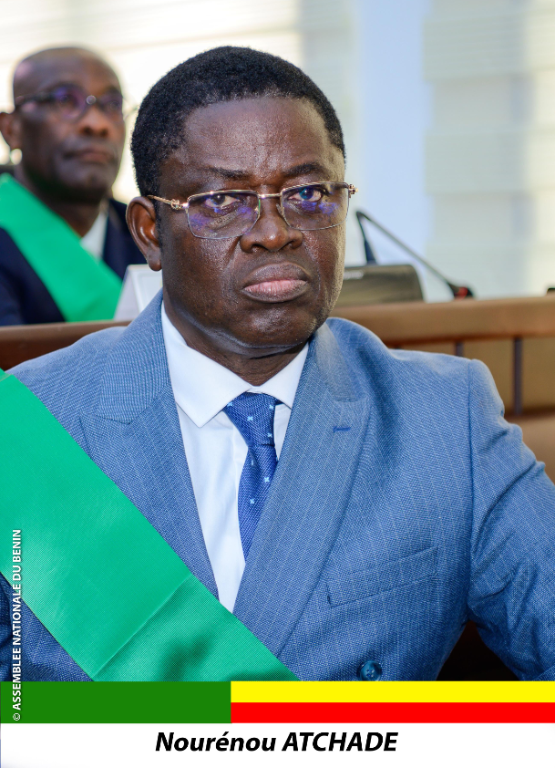
The protracted leadership battle within Bénin’s main opposition party, Les Démocrates, has entered a new phase of uncertainty. With the appeal trial in the Houndété-Atchadé dispute now postponed to 14 January 2027, the political fallout intensifies. Amid ongoing legal wrangling, Nourénou Atchadé’s faction solidified its position by securing his presidency during an extraordinary party congress on 11 October 2026, raising fresh questions about legitimacy, unity, and the party’s future direction.
Public reactions and the deepening divide
The postponement of the appeal hearing has done little to ease tensions. Instead, it has amplified public debate over whether a party can function effectively while its leadership remains legally contested. Supporters of Eric Houndété argue that the congress was a premature move, undermining due process. Meanwhile, Atchadé’s backers frame it as a necessary step to stabilize the party amid judicial delays. The clash underscores a broader crisis: how internal rules, leadership transitions, and legal disputes intersect in shaping political authority.
The genesis of a leadership battle
The conflict traces back to March 2026, when former president Thomas Boni Yayi stepped down for health reasons. His exit triggered a power struggle between Eric Houndété, the party’s vice-president and interim leader, and Nourénou Atchadé, whose appointment Houndété’s camp decried as a violation of party statutes. What began as a procedural disagreement quickly escalated into a full-blown legal and political showdown, with both sides digging in over the legitimacy of Atchadé’s rise to power.
A court ruling that failed to settle the dispute
On 29 April 2026, the Cotonou Court of First Instance sided with Atchadé, upholding his leadership. Yet the victory was short-lived. Houndété’s legal team promptly appealed, prolonging the stalemate. Subsequent delays— including missed hearings in June and October 2026—have left the party in limbo. The latest adjournment to January 2027 only deepens the uncertainty, as the court’s final decision could redefine who holds the authority to represent Les Démocrates in official capacities.
A congress that shifted the political landscape
Undeterred by the pending appeal, Atchadé’s faction pressed ahead with political maneuvers. The 11 October congress marked a turning point, formally installing Atchadé as party president. While the move demonstrated organizational resolve, it also highlighted a critical disconnect: political actions on the ground are moving faster than the legal process. Critics warn that the congress’s outcomes may yet be overturned or complicated by the appeal court’s eventual ruling, leaving the party’s internal structures vulnerable to further upheaval.
An opposition at risk of imploding
Beyond the leadership squabble, the prolonged crisis threatens to erode Les Démocrates’ influence. Divided ranks risk weakening grassroots mobilization, diluting the party’s messaging, and ceding ground to political rivals. With electoral setbacks in 2026 and diminishing institutional presence, the cost of disunity is becoming increasingly apparent. Observers note that even a favorable court decision for either side may not mend the growing rift, as trust between the factions continues to deteriorate.
14 January 2027: a potential turning point
The upcoming appeal hearing is now a focal point for party members and political analysts alike. Will the court finally address the merits of the case, or will procedural hurdles trigger another delay? As the date approaches, two parallel narratives persist: Atchadé’s camp pushes forward with political consolidation, while Houndété’s supporters pin their hopes on a legal resolution. For Les Démocrates, the challenge is twofold—resolving the legal ambiguity and healing a fracture that threatens to permanently splinter the party. The fallout from this crisis could reshape not just the party’s leadership, but the future of Bénin’s opposition as a whole.