Niger’s diplomatic shift: public debate and future outlook after eu tensions
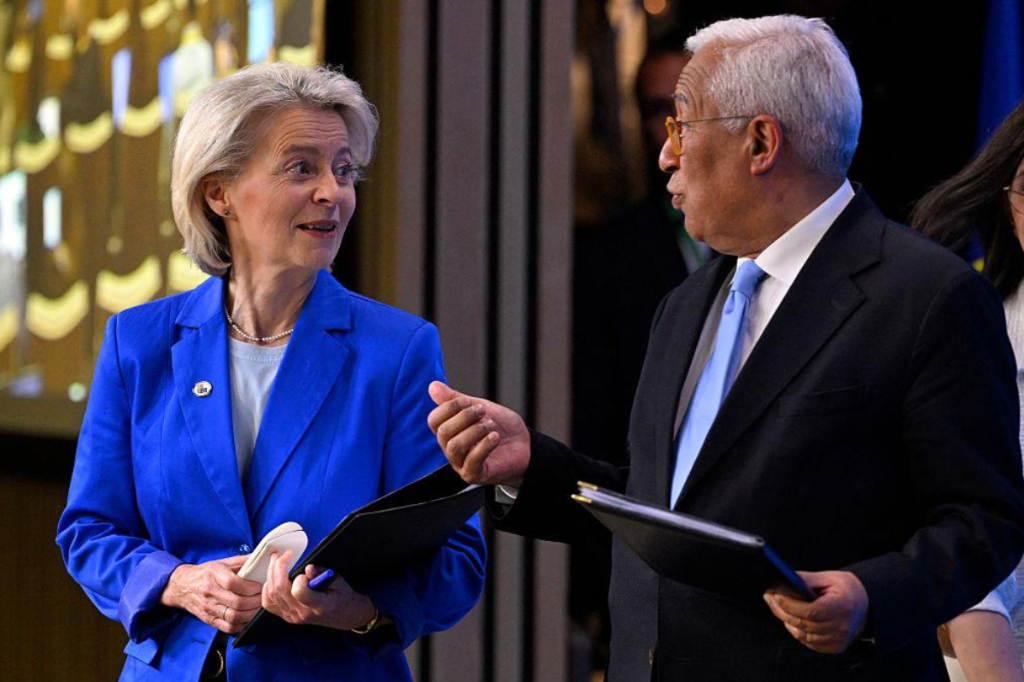
The recent accreditation of Nigerien diplomat Adamou Moumouni to the European Union has sparked intense debate: is this a genuine shift in Niamey’s approach toward Brussels, or merely a strategic move to sustain dialogue amid lingering tensions? On 22 October, Moumouni formally presented his credentials to António Costa, president of the European Council, and Ursula von der Leyen, president of the European Commission—a gesture that arrives against a backdrop of political discord, humanitarian aid disputes, and unresolved disagreements over the detention of former president Mohamed Bazoum. Public reaction: a test…

Read More

Niger’s oil spill fallout: public debate and the road ahead after goumeri w8

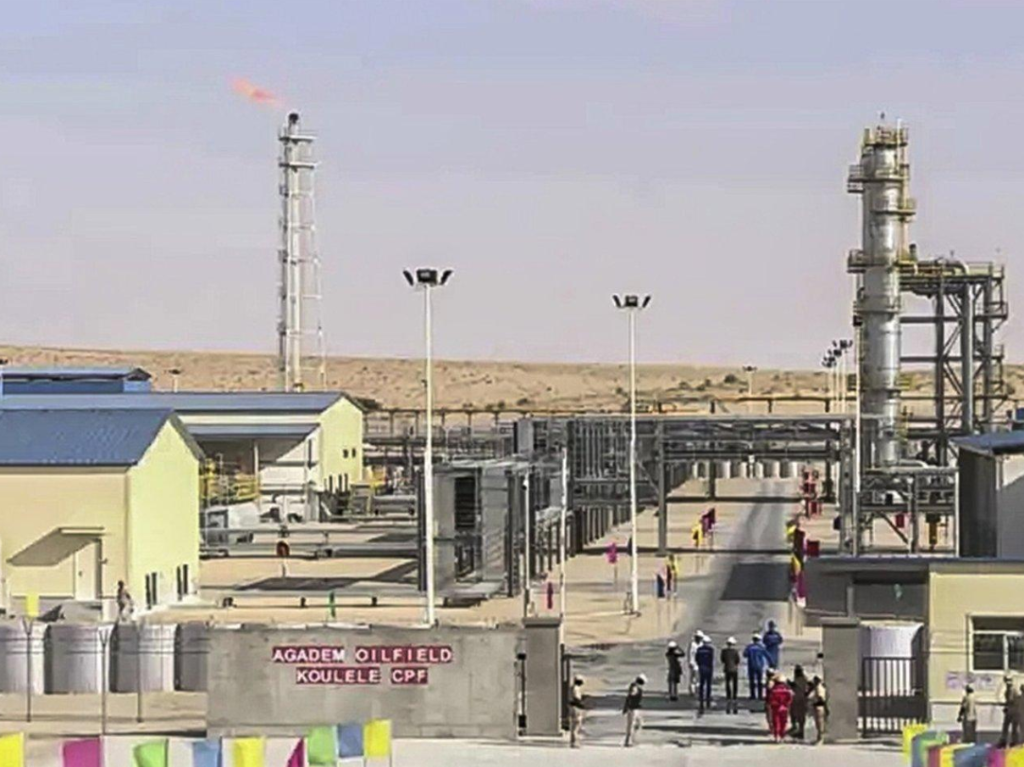
The eruption at Goumeri W8 has sparked more than just an environmental crisis in Niger. It has exposed deep fissures in a strategic oil partnership, as Niamey pushes to reclaim control over its natural resources amid mounting public scrutiny and diplomatic strain. The incident, which began on september 25, has escalated beyond a mere industrial accident. At the heart of Agadem’s oil basin—operated by CNPC Niger Petroleum—the spill has set off a chain reaction, entwining industrial urgency, financial stakes, and international relations. Industrial emergency raises unanswered questions A violent surge…

Read More

DR Congo’s constitution at 20: the untold story behind its struggles

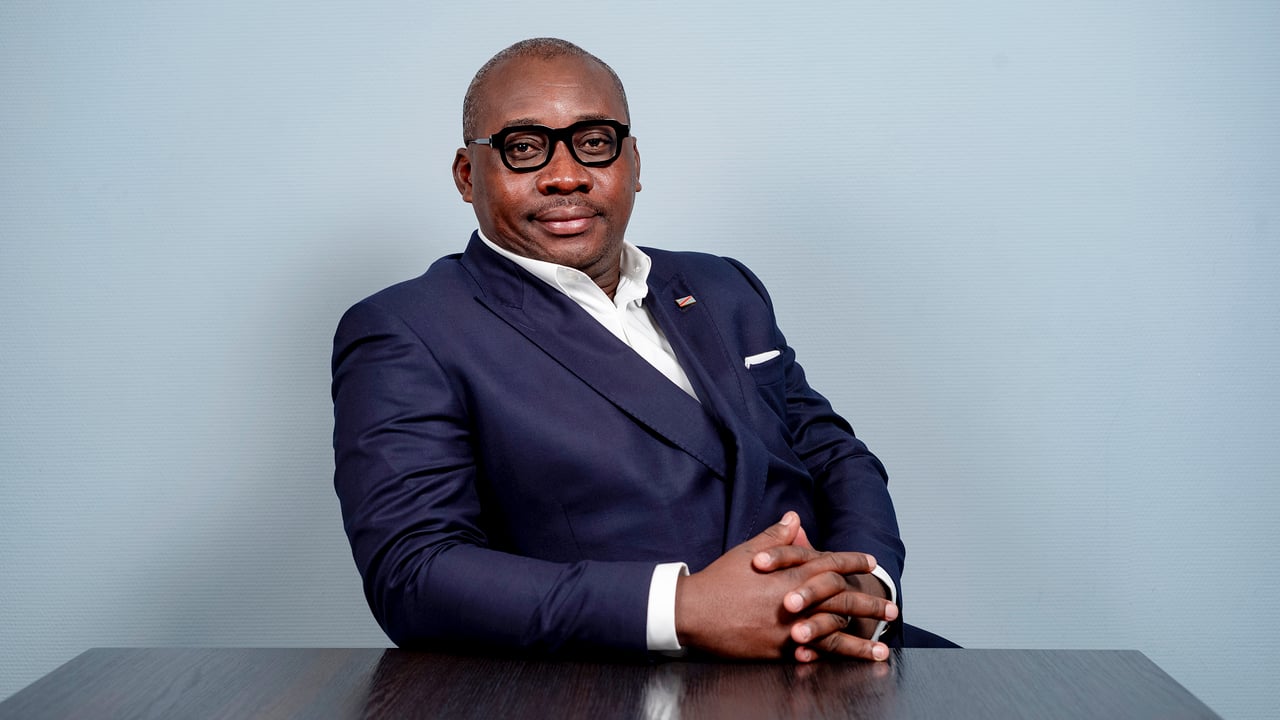
Two decades after its adoption, the Democratic Republic of Congo’s constitution remains a subject of intense debate. Guy Loando Mboyo, minister of state for parliamentary relations, highlights the gaps and unaddressed issues that have shaped the nation’s legal and political landscape over the past 20 years. The roots of constitutional shortcomings According to Mboyo, the challenges stem from deep-seated structural and implementation flaws. The constitution, while ambitious in its design, has struggled to adapt to the evolving needs of DR Congo’s complex societal fabric. Political instability, institutional weaknesses, and shifting…

Read More

Citizens question Niger’s oil sovereignty as fuel shortages spark debate over Algeria pact

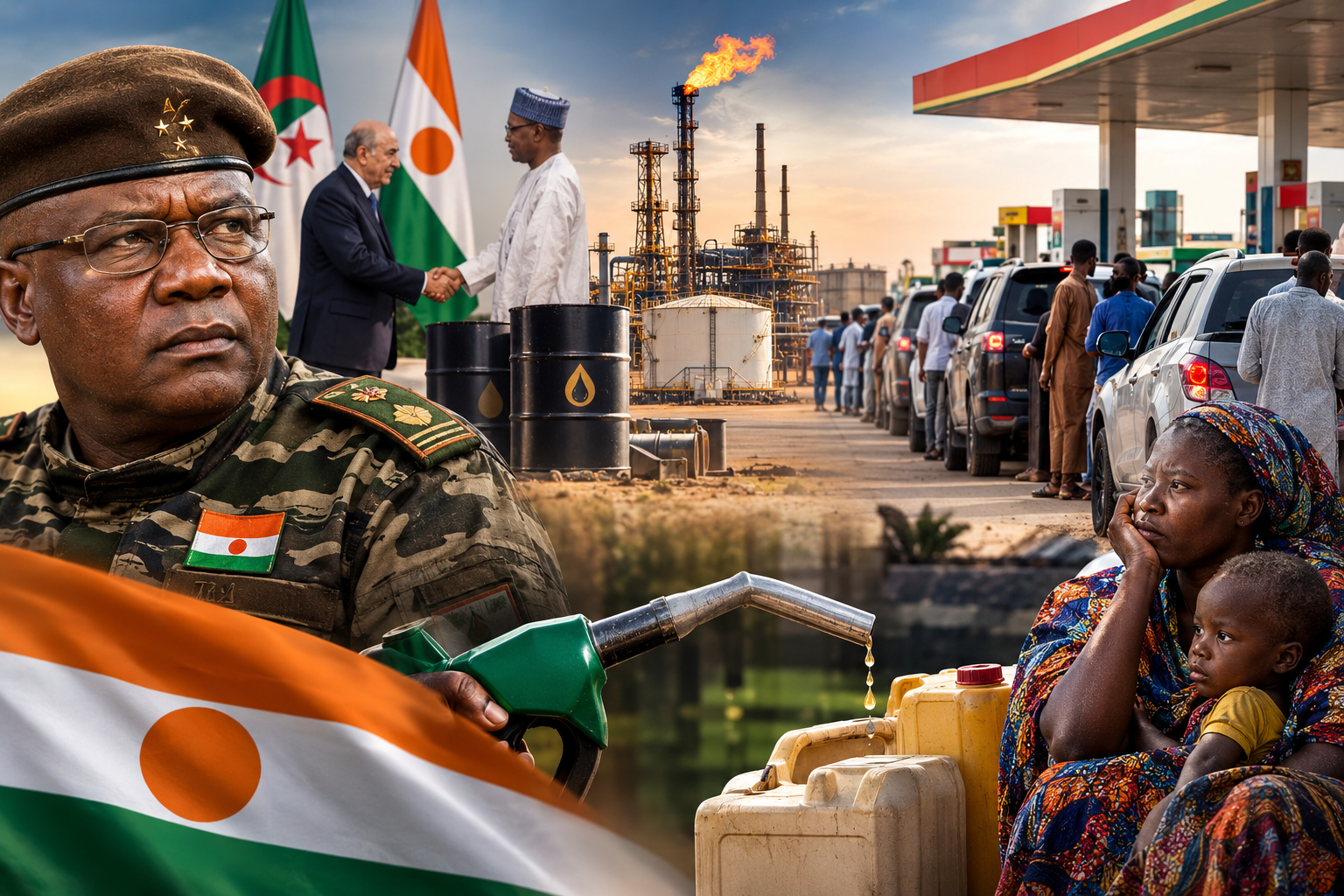
The recent security agreement between Niamey and Algiers has triggered intense public scrutiny rather than widespread celebration, as citizens grapple with severe domestic fuel shortages. Across the country, a fierce debate has erupted regarding the true meaning of national sovereignty when an oil-producing state cannot keep its own gas stations supplied, raising critical questions about what comes next for the nation’s energy strategy and social contract. Daily fallout and the reality on the ground The paradox of a nation extracting crude oil while enduring crippling domestic deficits is no longer…

Read More

Ivory Coast’s bold fiscal pivot reshapes UEMOA’s convergence pact future

The endorsement of the freshly revised UEMOA convergence pact by Alassane Ouattara, announced on October 23, 2026, marks a pivotal moment for West Africa’s economic bloc. Unlike symbolic gestures of the past, this act introduces a rigorous fiscal framework designed to address the lingering debt imbalances that have plagued the region for years. For Ivory Coast—home to nearly 40% of the UEMOA’s collective GDP—the commitment is anything but ceremonial. It represents a critical step in managing the nation’s debt trajectory and, by extension, safeguarding the stability of the franc CFA…

Read More