The urgent summoning of Algeria’s parliament on 25 October has reignited discussions about the nation’s evolving military role in the Sahel, with public attention fixed on the potential fallout of a deeper engagement in Niger. Beyond the spectre of direct intervention, the move raises broader questions about regional sovereignty, shifting alliances, and the future of security dynamics in a volatile area.
Parliament’s role in shaping Algeria’s next military steps
The extraordinary session of both parliamentary chambers has fuelled speculation about Algeria’s intentions. While no official agenda has been disclosed, the timing—amid growing military ties with Niger—suggests a possible vote on authorising troops abroad. Under Algeria’s constitution, any deployment of the national army outside its borders requires a two-thirds majority in parliament, a provision that underscores the gravity of the upcoming discussions.
Yet, the lack of transparency leaves room for interpretation. The session could address other pressing matters, but the recent escalation in defence cooperation with Niamey makes military engagement a central point of debate. Distinguishing between procedural formality, strategic consideration, and concrete action will be critical in the days ahead.
Military cooperation with Niger signals shifting priorities
Algeria’s recent actions reveal a deepening partnership with Niger. On 30 August 2026, Algiers deployed four Su-30 fighter jets and a refuelling aircraft to Niamey at the request of Nigerian authorities. This move, framed as cooperative support, marks a significant political statement—one that reflects Algeria’s determination to maintain influence in a region beset by instability and external competition.
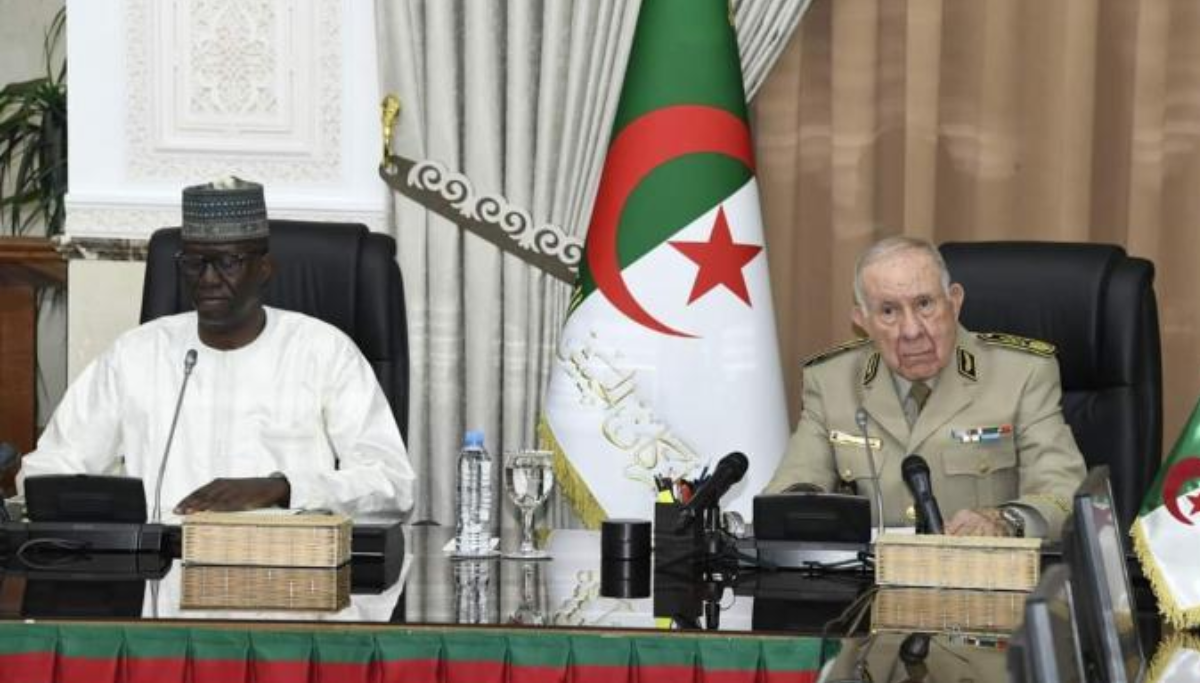
The trend continued on 21 October with the signing of a military cooperation protocol between Algerian and Nigerian officials. While the details remain undisclosed, the agreement signals a strategic alignment. For Niger, closer ties with Algeria offer an alternative security partnership amid persistent threats. For Algeria, Niger’s stability is a direct concern, given their shared border and the cross-border movement of armed groups and illicit trade.
Regional implications and the risk of escalation
Algeria’s potential military involvement in Niger could reshape Sahel’s security landscape. Some observers suggest the possibility of strikes targeting foreign interests, particularly those tied to regional rivals. However, such claims remain unconfirmed. A direct confrontation with external actors would mark a dramatic shift, carrying significant diplomatic and security risks for Algiers.
For now, the focus remains on preventive measures rather than offensive action. Algeria may prioritise deterrence and stabilisation over combat operations, aiming to curb the spread of insecurity rather than engage in open conflict. This nuance is vital, as cooperation and dissuasion differ fundamentally from outright military intervention.
What’s next after 25 October?
The parliamentary session will be a defining moment. Will Algeria formally approve a military deployment in Niger, or will the discussions centre on other strategic matters? The outcome will clarify whether Algiers is preparing to expand its support for Niamey or adopt a more assertive military posture in the Sahel.
One certainty emerges: the Algeria-Niger partnership is evolving rapidly. Yet, until official announcements are made, talk of military intervention remains speculative. In a region where every strategic move can alter the balance of power, precision in reporting is essential to separate fact from conjecture.