The death of Cameroonian sambo champion William Célestin Fokam on Ukraine’s battlefield has ignited a continent-wide debate. At 41, his fatal deployment under Russian command exposes a grim reality: a growing number of Africans are dying in a war far from home, raising urgent questions about recruitment practices and the human cost of foreign conflicts.
Fokam, a celebrated athlete who claimed African sambo titles in 2022 and 2023, traveled to Russia for a sports competition—only to end up on the front lines. His story is not unique. Investigations reveal a pattern of Africans, lured by promises of jobs, education, or financial stability, finding themselves in military uniforms, often under misleading circumstances.
Global investigations uncover recruitment networks
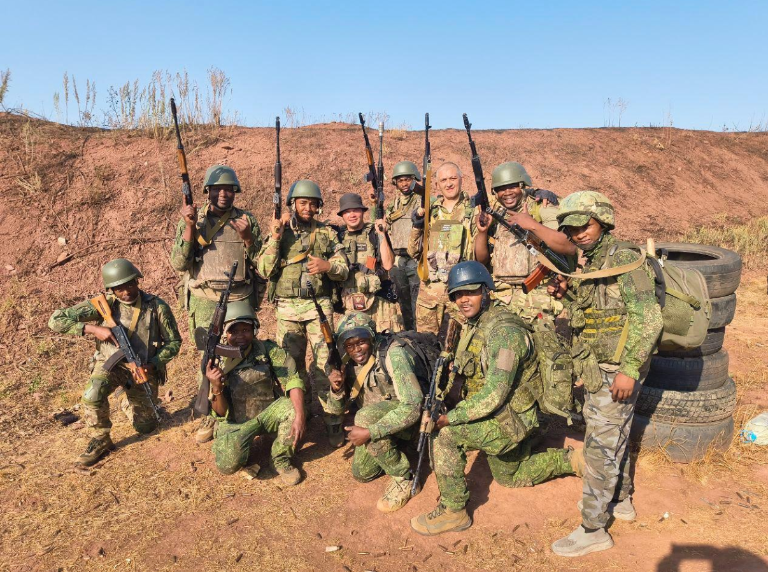
Multiple reports have documented how African nationals are being drawn into Russia’s military operations. Testimonies describe deceptive job offers that morph into military contracts, with some recruits pressured into signing Russian-language agreements they cannot understand. Survivors speak of rushed training and immediate deployment to combat zones, with little grasp of the dangers ahead.
Research by the Geneva-based firm Inpact identified 1,417 Africans recruited into Russian forces, with Cameroon, Egypt, and Ghana among the most affected. While these figures may not capture the full scale, they highlight a trend too significant to ignore. The lack of transparency in recruitment processes leaves families and governments struggling to verify deaths or trace missing citizens.
Cameroon faces the human toll of a distant war
For Cameroon, the crisis hits close to home. Diplomatic records and investigative reports suggest dozens of Cameroonians have died fighting in Ukraine, with estimates ranging from 16 to 94. These discrepancies reflect the challenges in tracking a shadowy recruitment pipeline that often operates beyond official oversight.
Fokam’s death underscores the personal tragedies behind these numbers. A sportsman’s journey from the ring to the battlefield forces a reckoning: how do economic hardships and the allure of opportunity abroad lead Africans into a war not their own? While individual motivations vary, the broader issue lies in the exploitation of vulnerability—whether through false promises, language barriers, or outright coercion.
The mechanics of deception: jobs, salaries, and broken promises
Analyses by strategic think tanks reveal systematic recruitment tactics. Online platforms, local intermediaries, and even sports events serve as gateways. Some recruits arrive in Russia for civilian roles, only to discover they’ve been funneled into military service. Others, like a group of South Africans repatriated after months in the Donbass, were allegedly misled by offers of security training.
Not all cases involve deception—some may join willingly. Yet the prevalence of reports detailing misinformation and pressure tactics demands scrutiny. The core issue remains: are recruits fully aware of the risks, or are they being manipulated into a conflict with lethal consequences?
African governments grapple with diplomacy and protection
The dilemma for African nations is stark: balancing diplomatic ties with Russia while safeguarding their citizens. Countries like Kenya, Ghana, and South Africa have sought explanations or launched efforts to repatriate their nationals. Russia, meanwhile, denies illegal recruitment but acknowledges foreign volunteers in its ranks.
For Cameroon, priorities include verifying deaths, supporting affected families, and dismantling local recruitment networks. Strengthening consular cooperation and public awareness campaigns could curb the flow of unsuspecting citizens into foreign military service.
From personal tragedy to a continental warning
Fokam’s fate transcends sports or politics—it’s a human story with far-reaching implications. As investigations by global media and research bodies continue, the focus must shift toward accountability. Transparent recruitment practices, independent inquiries, and cross-border collaboration are essential to prevent further losses.
Ultimately, the question lingers: how can Africa ensure its people are not sacrificed in wars they never chose? The answer lies in exposing the networks that exploit them, empowering potential migrants with accurate information, and creating economic opportunities at home that don’t come with a bullet’s risk.
Until then, the front lines of Ukraine will continue to claim lives like Fokam’s—a champion fallen not in the ring, but in a battle he may never have intended to fight.