After years of protest bans and public assembly restrictions in Togo, the opposition achieved a historic milestone this weekend by securing government approval for a public gathering in Lomé. The breakthrough raises a critical question: Is this a meaningful step toward political liberalization, or merely a temporary easing of tensions?
opposition coalition stages first authorized rally
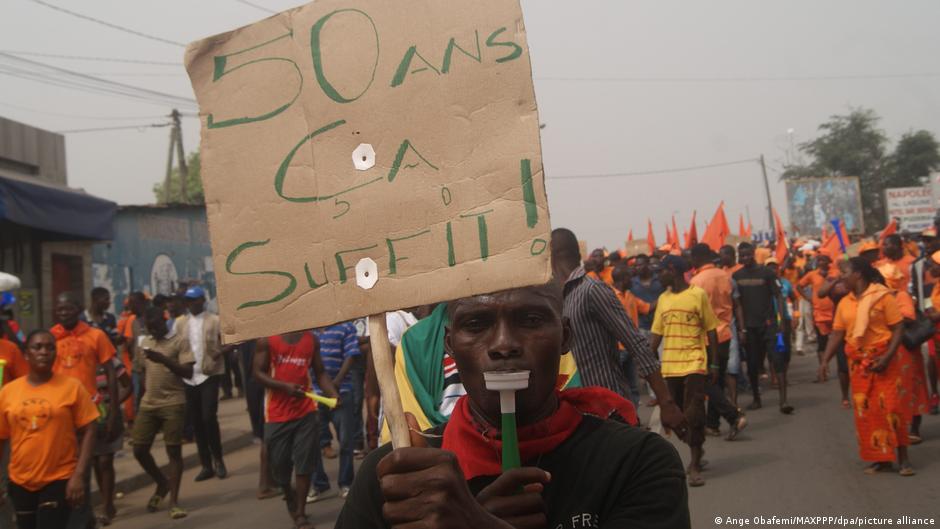
The Coalition nationale de concertation pour le changement (CNCC), a newly formed alliance of four opposition parties and civil society groups, successfully organized the event on Saturday in Lomé. Hundreds of participants attended the gathering, marking a rare moment of public political expression in the country.
Davdi Dosseh of the Front citoyen Togo debout emphasized the coalition’s resolve: “We demand governance reform. Togo suffers from systemic corruption, decaying public services, and stagnation. For years, authorities have used flimsy excuses to block peaceful assemblies, but we will not give up.”
is this a sign of lasting change?
While the government’s authorization is a positive development, political analyst Paul Amégankpo urges caution. As director of the Institut togolais Tamberma pour la gouvernance, he notes that the move could signal a broader commitment to easing restrictions on peaceful protest, association, and political activity. However, he warns against overinterpreting a single event.
“The 9 May 2026 authorization is commendable, but we must wait for additional signs before concluding that Togo is entering a new era of openness.”
As no official response was available at the time of writing, the coming weeks will reveal whether this milestone represents a turning point for Togo’s democratic space—or merely a fleeting pause in an otherwise tense political climate.
what’s next for Togo’s political landscape?
- Observers will monitor whether future opposition events receive similar approval.
- Civil society groups may intensify calls for institutional reforms.
- The government’s next policy moves will be scrutinized for signals of sustained liberalization.