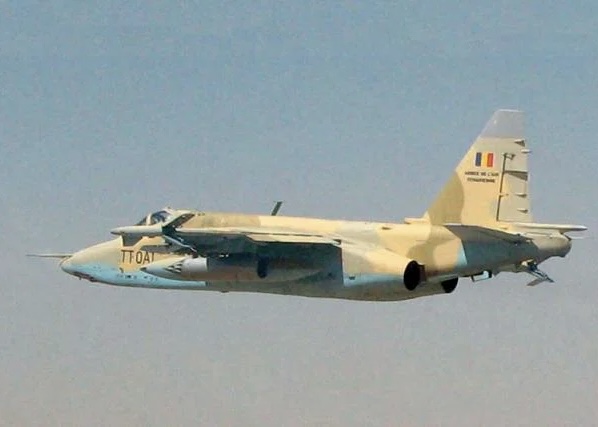
The Chadian military has launched a series of aerial strikes against suspected Boko Haram hideouts on islands in the Lake Tchad region, which extends into Nigerian territory. These operations were initiated following a recent attack by the armed group on Chadian military positions, prompting a swift and forceful response.
The strikes, which began on Friday, have raised serious concerns about civilian casualties, particularly among Nigerian fishermen operating in the area under the group’s control. Witnesses report that dozens of fishing boats were targeted, resulting in multiple fatalities and disappearances.
why the lake Tchad region remains a flashpoint
The Lake Tchad basin, shared by Nigeria, Chad, Cameroon, and Niger, has long been a hotspot for Boko Haram and the Islamic State in West Africa Province (ISWAP). Since 2009, the insurgency has disrupted local livelihoods, forcing many to abandon fishing and farming in favor of survival strategies. The lake, once a thriving resource, now serves as a battleground and a source of funding for militant groups through extortion and taxation of local communities.
Fishermen operating in the area have confirmed that they must pay a fee to Boko Haram to access the rich fishing grounds on remote islands. These islands, including Shuwa, are strategic strongholds for the group, where fighters regroup and launch attacks against regional militaries.
devastating impact on local fishermen
According to a local fishermen’s union leader, at least 40 Nigerian fishermen are missing and presumed dead following the recent strikes. Many of the victims were from Doron Baga and Taraba State, coastal communities heavily dependent on the lake for their income. The strikes have left families devastated, with no official confirmation from the Chadian military regarding civilian casualties.
This is not the first time innocent fishermen have been caught in the crossfire. In October 2024, a similar incident occurred on Tilma Island, where a Chadian air strike targeting Boko Haram resulted in the deaths of dozens of Nigerian fishermen, despite military denials of civilian targeting. The recurrence of such incidents highlights the growing risks faced by civilians in conflict zones.
regional instability and the fight against insurgency
The Boko Haram insurgency has left over 40,000 dead and displaced nearly two million people in Nigeria, the continent’s most populous nation. The violence has spread across borders, affecting neighboring Chad, Cameroon, and Niger. In 2015, these countries revived the Multinational Joint Task Force (MNJTF), a regional coalition established in 1994 to combat insurgencies. However, Niger withdrew from the force in 2025 due to escalating tensions within the alliance, further complicating efforts to stabilize the region.
As military operations intensify, the humanitarian toll continues to rise, with civilians bearing the brunt of the conflict. The situation underscores the urgent need for coordinated regional strategies to protect vulnerable populations and restore stability to the Lake Tchad basin.