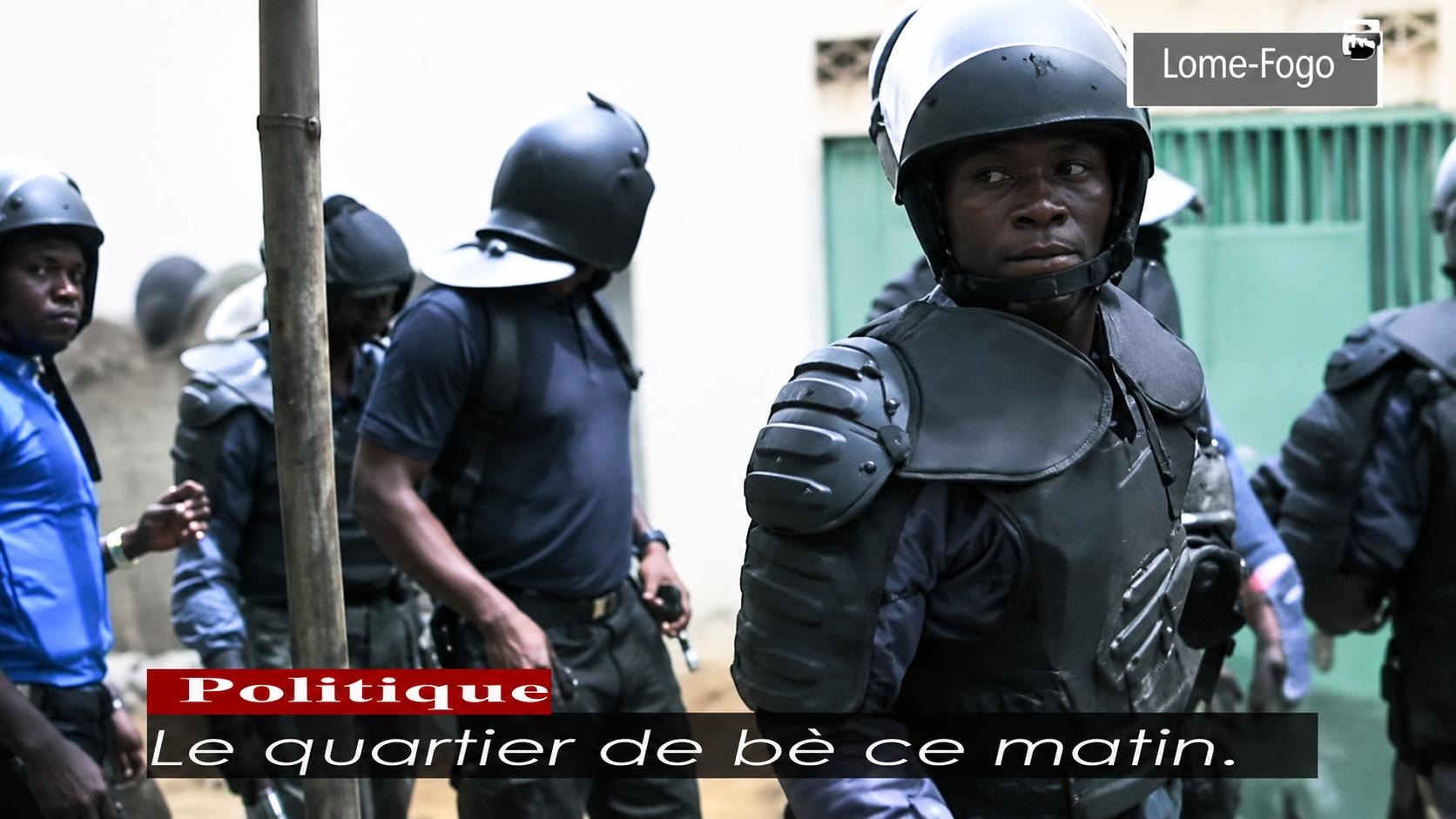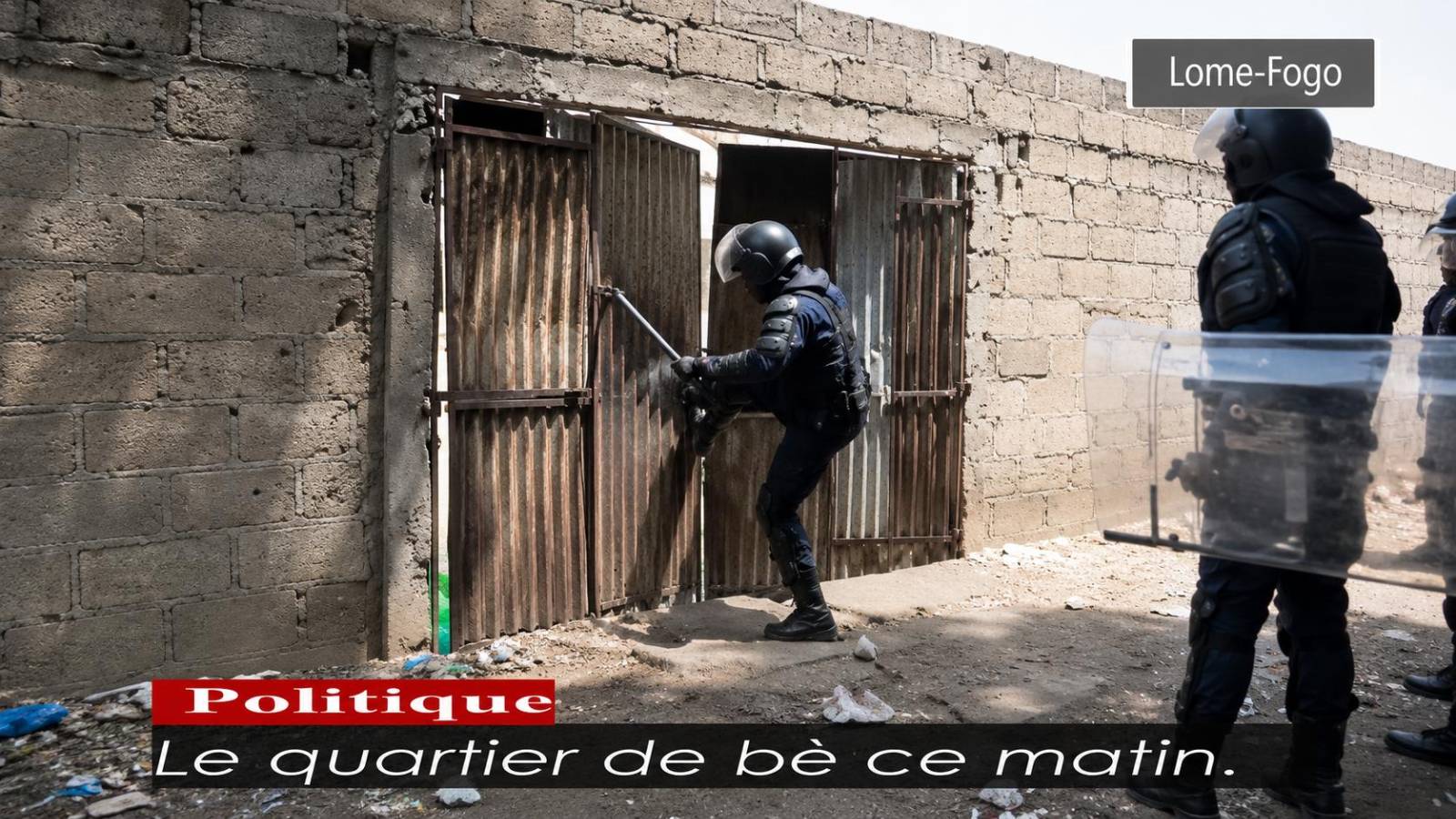
In Togo, the image of the military as a guardian of peace and national security is often shattered by a grim reality: armed soldiers storming private homes to mete out brutal punishments to unarmed citizens. What should be a sanctuary—one’s own dwelling—becomes a scene of terror when soldiers, acting without warrants or justification, turn domestic spaces into arenas of violence.
When the home is no longer a refuge
Every person deserves to feel safe within their own four walls. Yet in cities like Lomé and Sokodé, as well as countless other neighborhoods, military raids have become synonymous with intimidation and physical abuse. Beating young men in their courtyards or humiliating fathers in front of their families isn’t just unjust—it’s a betrayal of the very institution meant to protect the public.
Such acts aren’t demonstrations of strength; they’re signs of institutional failure. When soldiers act with impunity, they don’t just harm individuals—they erode trust in the state and fuel deep-seated resentment among the population.
The chain of command’s disturbing silence
Individual cases of abuse aren’t isolated incidents—they reflect a systemic issue. When soldiers assault civilians in their homes, it isn’t the work of a “few bad apples.” It’s a symptom of a command structure that either tolerates or actively encourages such behavior through fear-based leadership.
Consider the consequences:
- Erosion of trust: Once a citizen has been beaten by someone in uniform, the trust between the people and their military is broken—perhaps irreparably.
- Cultivation of anger: Treating civilians as adversaries doesn’t command respect; it breeds hostility. This is how seeds of unrest are sown.
- Violation of the law: No law in Togo, nor any military regulation, permits soldiers to assault or intimidate civilians in their own homes. Such actions are not only unethical—they’re illegal.
Soldiers aren’t police officers
One of the core problems lies in the misallocation of roles. Soldiers are trained for combat, not community policing. When their duties shift from defending the nation to controlling neighborhoods, confusion takes hold. Streets become battlefields, and ordinary citizens become targets.
The message is clear: An army feared by its own people is no longer a national force—it becomes an occupying power in its homeland.
Restoring honor through accountability
The honor of Togo’s military is not measured by the size of its weapons or the fear it instills. True honor lies in upholding the law and protecting every citizen, regardless of political belief or social standing.
Change begins with accountability. As long as soldiers who abuse their power face no consequences, the divide between the military and the people will only widen. Togo doesn’t need brute force to maintain stability—it needs justice, respect, and the restoration of faith in its institutions.