As Nigeria reports a confirmed Ebola case just across the border, Cameroon is scrambling to shore up its defenses against a potential outbreak. This isn’t just another health alert—it’s unfolding against the backdrop of an ongoing cholera crisis in the Far North region, where hospitals are already stretched thin.
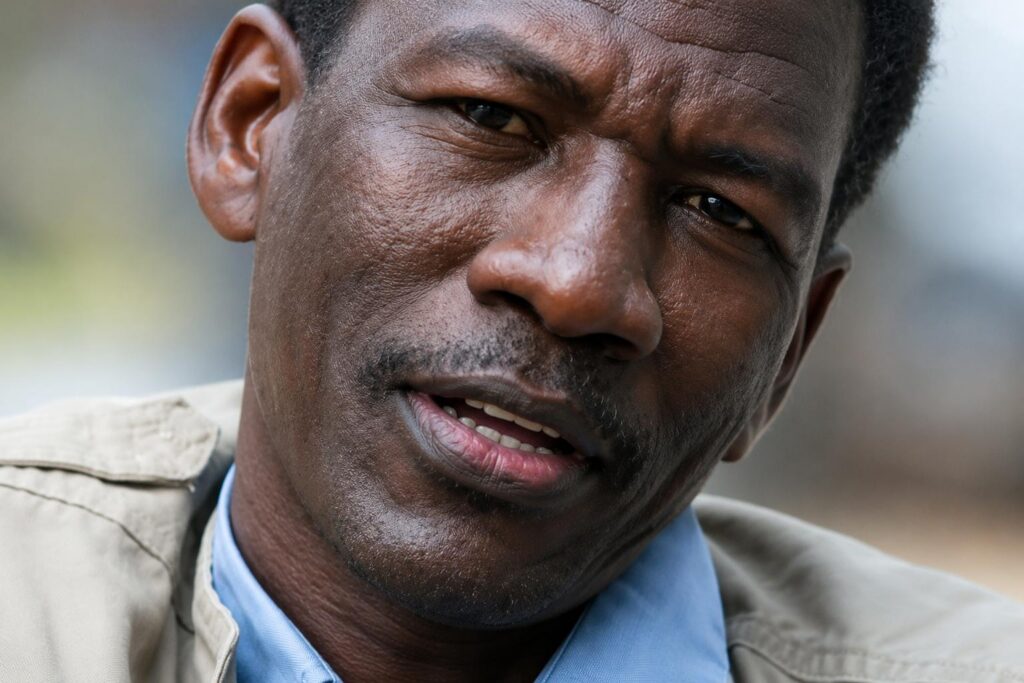
The warning signs are clear: more than 1,500 kilometers of porous borders stretch between Cameroon and Nigeria, a landscape where porous trade routes and daily human movement make containment a formidable challenge. In the capital, Yaoundé, residents like agronomist Aurélien Ngouffo are voicing concerns that go beyond immediate health risks.
“How do you stop people from crossing? These pathways are impossible to control. All we can do is hope for the best,” Ngouffo reflects, highlighting the systemic vulnerabilities that threaten Cameroon’s ability to respond effectively.
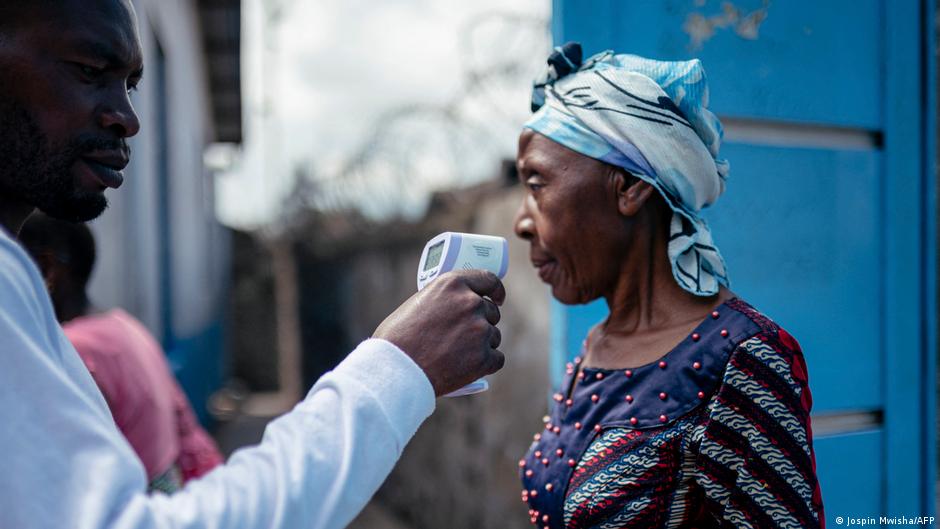
From airport quarantines to cross-agency coordination, health officials are deploying every available resource to prevent a breach. At Yaoundé-Nsimalen International Airport, a three-bed isolation unit is now operational, with additional staff training underway. Minister of Public Health Manaouda Malachie has also ordered intensified screening at Douala’s international gateway.
“Our priority is to prevent Ebola from gaining a foothold here. We must detect cases early, isolate and treat them swiftly, and coordinate across sectors to ensure everyone knows how to act. The key is readiness—before the virus arrives.”
Lessons from the Past: Closed Borders and Their Limits
Cameroon has taken drastic measures before. During the 2014 West Africa Ebola outbreak, it shut its borders with Nigeria, a move that bought time but came with severe economic and social costs. Now, with the Far North still reeling from cholera outbreaks, citizens are questioning whether the health system can handle another emergency.
“We never plan ahead. We don’t even know our own population numbers, so how can we prepare properly? Cholera is still resurging. Ebola would be a disaster—our healthcare system is nowhere near ready,” Ngouffo warns.
The reality on the ground reveals the depth of the challenge: rapid case identification, rigorous isolation protocols, contact tracing, and healthcare worker protection are all critical, yet under-resourced. Every delay in scaling these efforts increases the risk of a catastrophic spread. For Cameroon, the race is now on—not just to react, but to outthink the virus before it crosses the border.