From overthrow to oversight: the promises of Niamey’s junta in the crossfire
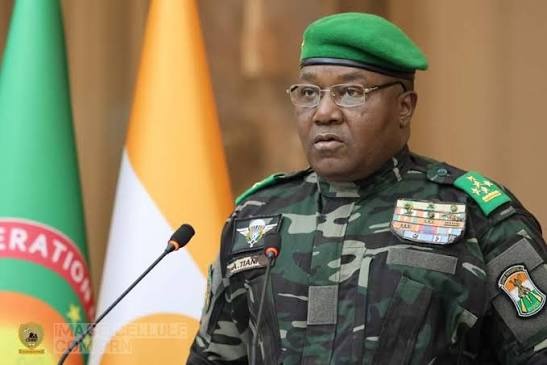
The July 2023 overthrow of democratically elected President Mohamed Bazoum was sold to Nigeriens as a turning point—one that would end corruption, restore security, and reclaim national sovereignty. Three years later, the ruling National Council for the Safeguarding of the Homeland (CNSP) faces a stark reality: instead of reversing the country’s decline, its rule has deepened existing crises and introduced new ones. The question now is no longer about the past failures of Bazoum’s administration, but whether the military regime can correct its own path—or whether it is simply repeating the same mistakes on a larger, more damaging scale.
What happened to ‘sovereignty’? New alliances, old questions
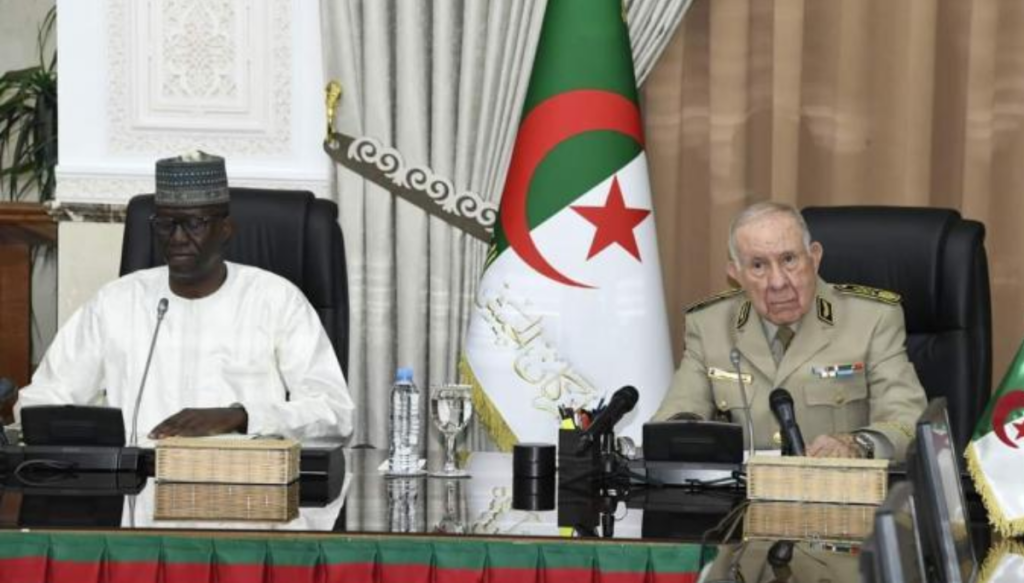
One of the loudest rallying cries of the CNSP was the end of foreign interference. With French and American forces withdrawing, the junta declared victory for national independence. Yet, under the surface, Niamey has quietly forged new partnerships whose terms remain shrouded in secrecy. The arrival of Russian contractors and the recent deployment of Algerian troops to Madama—over 200 kilometers inside Niger’s territory—have raised urgent concerns about territorial control and accountability.
Notably, these agreements were made without parliamentary oversight or public consultation, contradicting the very definition of sovereign consent that the junta claimed to champion. What began as accusations of foreign domination under Bazoum has morphed into a troubling pattern of unchecked foreign influence under military leadership.
Border security in the balance
Madama, located near the Libyan frontier, has become a flashpoint. The presence of foreign troops in this remote region raises critical questions: Who governs this zone? What are the rules of engagement? And how will local communities be affected? Without clear frameworks or transparency, these deployments risk becoming not symbols of strength, but sources of instability—both politically and militarily.
Security deteriorates as junta doubles down on old tactics
The CNSP’s foundational claim—improved security through decisive action—has failed to materialize. Despite increased airstrikes and repeated military announcements of progress, violent extremist groups such as EIGS and JNIM continue to operate with growing boldness. Entire regions, including Diffa, Maradi, Tahoua, and Tillabéri, remain under siege. Schools and health centers stay closed, markets are paralyzed, and displacement has surged. The humanitarian toll is mounting, and the junta’s responses offer little reassurance.
Broken promises and stalled progress
Economic recovery was supposed to follow political stability. Instead, key infrastructure projects that once symbolized hope are stalled. The Kafra oil permit, touted as a cornerstone of energy independence, has seen delays. The proposed trans-Saharan gas pipeline, a long-standing dream of regional connectivity, now faces indefinite postponement. Investors hesitate. Foreign partners withdraw. And the once-optimistic narrative of self-reliance has given way to uncertainty and stagnation.
Where is the dissent? The silence of civil society and former allies
Initially, the 2023 coup sparked widespread defiance. Civil society organizations, opposition figures, and ordinary citizens took to the streets, demanding democracy and accountability. Today, that chorus has largely faded. Those who once condemned Bazoum’s administration now appear reluctant to challenge the junta. Critics describe a climate of fear, self-censorship, and strategic apathy—where public scrutiny has been replaced by passive acceptance.
The cost of a transition without end
This shift is not a sign of progress. It reflects a regime that has learned to suppress dissent not through force alone, but through exhaustion. By invoking patriotism and national pride, the junta has framed criticism as treason. This tactic has stifled debate and allowed missteps to go unchallenged. The result? A leadership that governs through control rather than reform, and a population that bears the weight of a transition with no clear destination.
What comes next for Niger?
As Niger enters another cycle of uncertainty, the biggest question is not about where it’s been—but where it’s headed. Can the military regime correct course? Or is it destined to repeat the failures of the past, only on a more dangerous scale? With sovereignty redefined, security deteriorating, and trust eroding, the future of Niger hinges on whether this leadership can move beyond rhetoric and deliver real change—or whether it will continue to sacrifice stability for control.