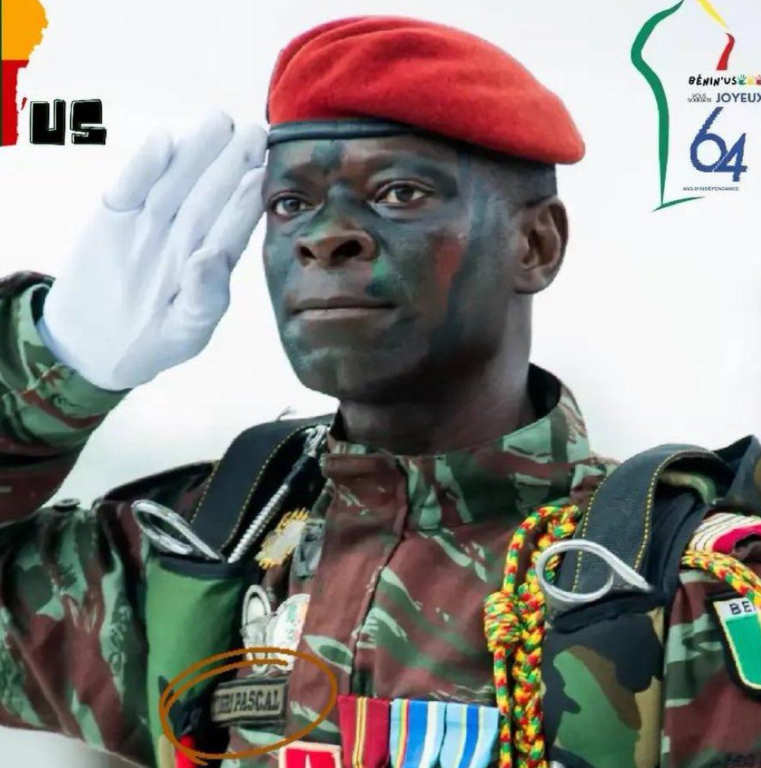
The airing of a high-profile testimony on Niger’s national broadcaster has reignited speculation about the whereabouts of Colonel Pascal Tigri, the alleged mastermind behind the failed coup attempt in Benin last December. The dramatic declaration by Nigerian police inspector Habibou Oumarou Mamane, known locally as ‘The Rebel,’ aired on October 23, 2026, alleges an intricate web of contacts, payments, and intermediaries, all allegedly working to locate Tigri within Niger’s borders.
But with claims swirling in a charged diplomatic climate, the testimony raises as many questions as it answers. What concrete evidence supports these explosive accusations? And why has this narrative been broadcast on a public television channel before any verifiable facts emerge?
Unverified claims and the fog of investigation
The inspector’s televised statement outlines a timeline starting in late February 2026, when he claims he was approached to assist in locating Pascal Tigri. He describes multiple meetings with self-proclaimed intermediaries, some allegedly linked to Beninese services, and mentions financial incentives totaling millions of CFA francs. A payment of two million francs was supposedly delivered in Niamey’s bustling Grand Marché on March 9, 2026, with promises of further rewards, diplomatic passports, and mission assignments.
The names cited—Moumouni, Zakou, an unidentified man called ‘David,’ and Béninois police officer Ilou—lend the account an air of specificity. Yet specificity does not equal truth. Without documentary proof, cross-verification, or official confirmation, the credibility of these claims remains unproven. The gap between allegation and established fact continues to widen, leaving observers to weigh hearsay against a backdrop of regional tensions.
From search to exfiltration: separating fact from conjecture
One word in the testimony has drawn particular attention: exfiltration. The inspector’s use of the term implies a coordinated effort to secretly remove Tigri from Niger, but the term itself does not confirm such an operation ever took place. Investigative journalism demands precision—especially when national security narratives are at stake.
Benin’s right to pursue a fugitive through legal channels—whether via judicial cooperation, extradition requests, or shared intelligence—is undisputed. However, conflating a legitimate search with a covert extraction operation risks distorting the actual legal and diplomatic processes in play. The distinction matters: one is a sovereign nation’s duty; the other, if proven, would constitute a violation of international law.
At this stage, no official statement from Cotonou has emerged to corroborate or refute the claims aired in Niamey. Silence does not constitute endorsement, nor does it exonerate. It merely underscores the need for clarity—and transparency—from both governments.
Public spectacle vs. due process: why air allegations on national TV?
The decision to broadcast such sensitive allegations on a state-owned network raises critical questions about intent and timing. Public declarations can serve the public interest by informing citizens or accelerating investigations, but they can also fuel misinformation, politicize justice, or aggravate already strained relations.
If substantiated, these claims warrant immediate legal and diplomatic follow-up. If unsubstantiated, they risk embedding suspicion without substance—a dangerous precedent in a region where trust between neighbors is already fragile. The absence of supporting evidence in the public domain leaves room for interpretation, speculation, and political maneuvering, particularly amid growing tensions between Niamey and Cotonou.
Regional diplomacy on trial
Beyond the fate of one fugitive, this controversy tests the resilience of West African cooperation in the face of transnational security threats. When allegations of covert operations cross borders, the stakes are no longer bilateral—they become regional.
Should evidence confirm Tigri’s presence in Niger, the path forward would require meticulous adherence to mutual legal assistance treaties and bilateral security protocols. Sovereignty cannot be bargained away in pursuit of a suspect; neither can justice be sacrificed on the altar of expediency. Every name mentioned, every franc transferred, every meeting cited demands rigorous scrutiny—not through the prism of television cameras, but through the cold lens of investigative rigor.
Meanwhile, the international community watches closely. Will this controversy deepen the divide between Benin and Niger, or will cooler heads prevail? The answers lie not in sensational headlines, but in verifiable facts, transparent processes, and unwavering commitment to the rule of law—principles that must guide any resolution, regardless of the political fallout.
As the dust settles on this televised revelation, one truth emerges: the story of Pascal Tigri is far from over. The ball now rolls toward the investigators, the diplomats, and the courts—where proof, not performance, will ultimately determine what comes next.