Public scrutiny grows over Niger’s decision to allow Algerian troops
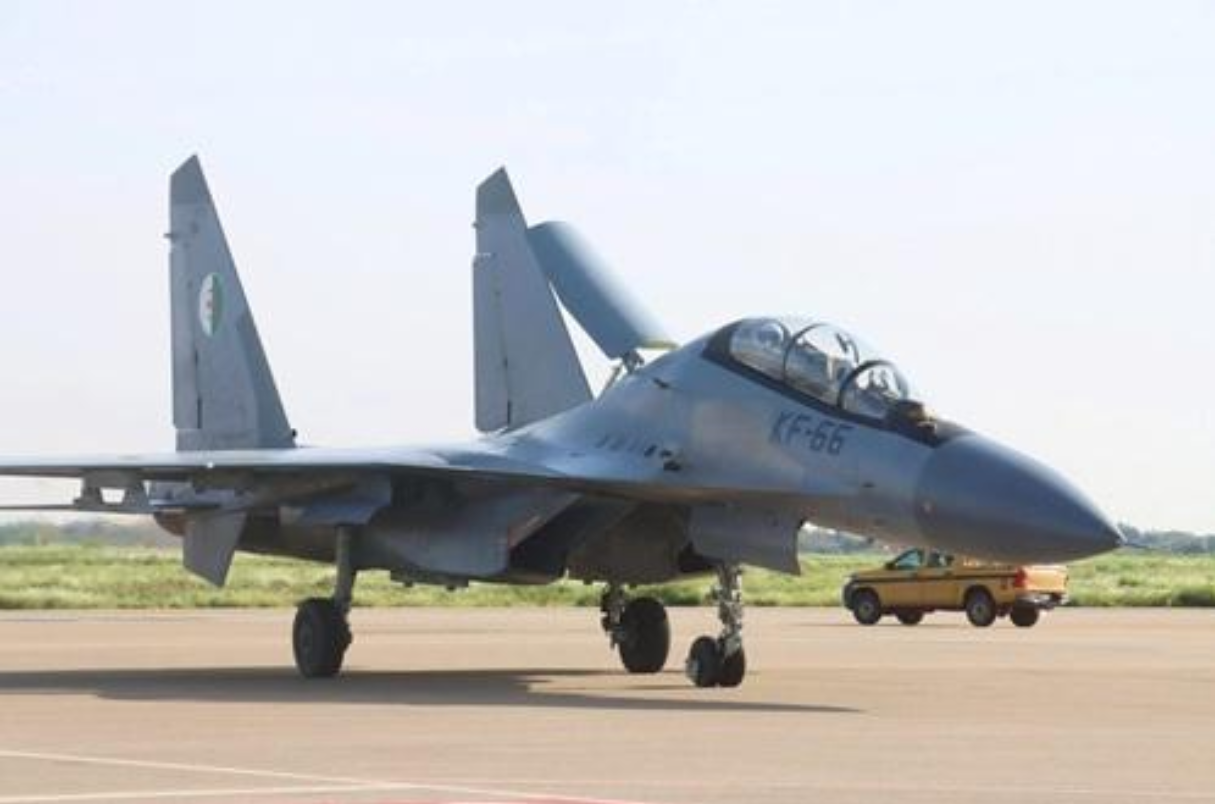
The announcement of Algeria’s military deployment to Niger has sparked intense debate about whether Niamey violated its own constitutional framework by failing to consult citizens on such a critical sovereignty issue.
What Does Niger’s Refoundation Charter Require?
The 2025 charter establishes that foreign military presence requires either a national referendum or a presidential decree in emergency cases—after consulting the Refoundation Advisory Council. With Algeria’s parliament approving troop deployment on October 25, 2026, Niger now faces pressure to justify its compliance with these provisions.
Two distinct paths under the charter
- Standard procedure: Mandates a public referendum to authorize foreign troop presence
- Exceptional procedure: Allows presidential decree (with council approval) solely in verified emergencies
Neither path appears conclusively followed in this case, prompting legal and political scrutiny of the decision-making process.
Why Sovereignty Demands More Than Military Agreements
While international security cooperation is common for Sahel nations facing extremist threats, Niger’s charter uniquely embeds sovereignty in institutional legitimacy. The current military leadership faces a credibility test: either demonstrate emergency justification for bypassing referendum requirements or prove transparent compliance with charter provisions.
The stakes of unchecked foreign military presence
A poorly defined troop deployment risks:
- Creating permanent security dependency on foreign partners
- Blurring strategic priorities between civilian protection and economic interests
- Enabling mission creep beyond initial deployment scopes
- Undermining public trust through opaque decision-making
The public’s right to clarity
Citizens deserve explicit answers on:
- Whether a referendum was held or emergency conditions justified the deployment
- The precise legal basis for Algeria’s troops operating in Niger
- Mechanisms for monitoring and limiting foreign forces’ mandate
Without this transparency, even well-intentioned security cooperation risks being perceived as a violation of the national charter’s democratic principles.
Where Niger’s leadership must break the silence
The charter’s emergency clause isn’t an escape hatch for bypassing citizen consultation. It specifically requires:
- Proven urgent threats necessitating immediate action
- Mandatory advisory council oversight
- Strict time limitations tied to stabilization objectives
Algeria’s deployment announcement lacks these demonstrated elements, leaving Niger’s authorities with an obligation to either:
- Reveal emergency justification details, or
- Clarify compliance with referendum requirements
The coming weeks will test whether Niger can uphold both its security partnerships and its constitutional commitment to popular sovereignty.