With the revised finance bill set for final debate, Senegal’s government is scrambling to avoid a political crisis after ruling party lawmakers dealt it an unexpected blow. The rejection of the bill in committee has exposed deep divides within the ruling coalition and left the fate of the government’s economic agenda hanging in the balance.
From rejection to reckoning: the parliamentary shockwave
The timing could not have been worse. Just days before the bill was due for a crucial parliamentary vote, lawmakers from President Bassirou Diomaye Faye’s own coalition rejected it in committee. A landslide defeat that underscores the growing disconnect between the government and its parliamentary base, sending shockwaves through Dakar’s political circles.
While the bill aims to adjust fiscal targets amid rising economic pressures, its failure in committee raises serious questions about the government’s ability to maintain cohesion within its ranks. For a ruling party that commands a comfortable majority, this episode signals more than a procedural setback—it reveals fractures that could reshape Senegal’s political landscape.
Why did ruling party lawmakers turn against their own government?
The vote reflects deeper divisions. Analysts point to disagreements over spending priorities, revenue assumptions, and the distribution of fiscal adjustments. Some lawmakers argue the government’s approach fails to address urgent social needs, while others fear the bill could undermine economic stability amid global uncertainty.
Without transparent reasons for the rejection, speculation abounds. But one thing is clear: the government can no longer afford to dismiss these objections as mere political posturing. The message from the committee room is unambiguous—the ruling coalition is not a monolith, and dissent is growing louder.
The government’s high-stakes balancing act
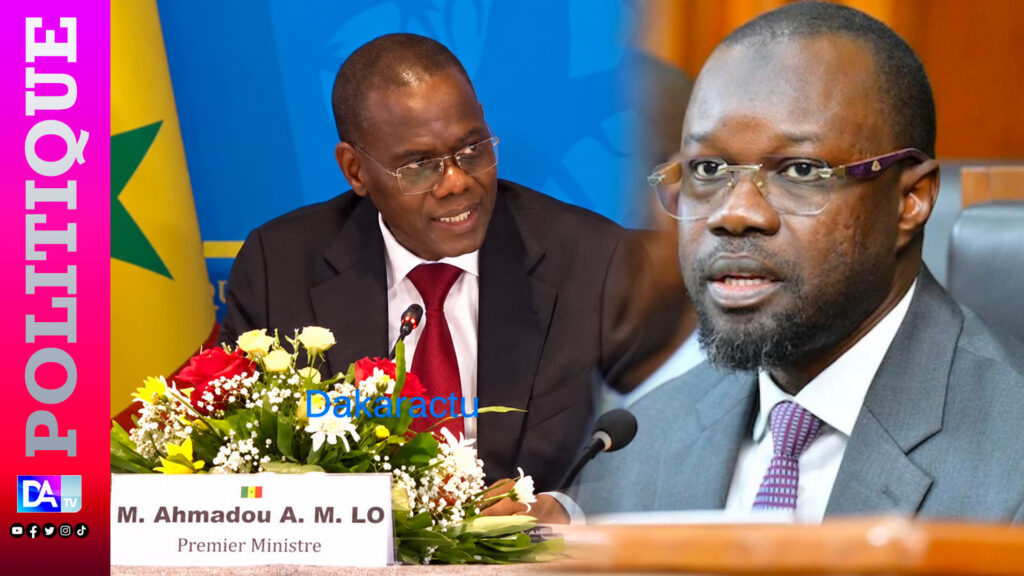
Prime Minister Ahmadou Al Aminou Lô now faces an unenviable task: defend the government’s fiscal strategy while regaining the trust of lawmakers who just rejected it. The revised budget is not just a financial document—it’s a statement of policy, a signal to investors, and a test of governance.
For Lô, the challenge is twofold. First, articulate the rationale behind the budget’s key choices—where cuts were made, what revenues were prioritized, and how Senegal will navigate its economic challenges. Second, convince skeptical lawmakers that these sacrifices are necessary, and that their concerns have been heard.
But persuasion alone may not suffice. The government may need to propose concessions—adjusting timelines, reallocating funds, or clarifying policies—to secure the votes it needs. The risk? Appearing weak or inconsistent in the eyes of both parliament and the public.
Can compromise still save the budget?
As the government scrambles to salvage the bill, all eyes are on the Prime Minister’s next move. Public appeals for dialogue suggest a willingness to negotiate, but time is running out. The parliamentary session looms, and with it, the possibility of a humiliating defeat for the executive.
For the lawmakers who rejected the bill, the stakes are equally high. Their opposition is not just about policy—it’s a signal to the government that it cannot take their support for granted. Yet, outright rejection could trigger a constitutional crisis, disrupting fiscal planning and undermining investor confidence.
The coming days will determine whether Senegal’s political institutions can bridge their divides—or if this confrontation marks the beginning of a new, more volatile phase in its governance.
The clock is ticking: what happens next?
Tuesday’s plenary session will be decisive. Lawmakers could approve a revised version of the bill, adopt it as-is, or reject it entirely. Each outcome carries profound consequences.
If the bill passes: The government survives a major political test and regains control over its economic agenda. Investors may breathe easier, but the internal tensions will linger—potentially fueling future conflicts.
If the bill fails: Senegal faces a constitutional and fiscal impasse. The government may need to renegotiate the entire budget process, delaying key projects and damaging its credibility. For the lawmakers who led the rebellion, the victory could embolden further dissent—but at the cost of destabilizing the country’s governance.
If a compromise is reached: Both sides avoid a crisis, but at the price of diluted policies. The revised budget may reflect a fragile consensus, leaving deeper questions unanswered about Senegal’s economic direction.
A turning point for Senegal’s democracy
Beyond the numbers and debates, this crisis reveals a critical truth: Senegal’s political system is evolving. The rise of a new generation of lawmakers, many elected on promises of transparency and reform, has shifted the balance of power. They are no longer rubber-stamping the executive’s agenda—they are holding it to account.
This moment tests the resilience of Senegal’s institutions. Can the government adapt to a more assertive parliament? Can lawmakers balance their mandate to represent constituents with their duty to govern? Or will this confrontation open the door to deeper political instability?
As the nation braces for the parliamentary vote, one thing is certain: the fallout from this crisis will shape Senegal’s political future for years to come. Whether through dialogue or confrontation, the outcome will define not just the revised budget—but the very nature of governance in the country.