Public scrutiny intensifies over Togo’s phosphate-driven fertilizer initiative
As the UEMOA’s ambitious phosphate-to-fertilizer industrialization plan gains momentum, public debate in Togo is heating up over the project’s feasibility, financial commitments, and long-term impact. The regional initiative, which aims to reduce West Africa’s reliance on imported fertilizers, has placed Togo at the center of a high-stakes industrial transformation. But with over 1.4 trillion CFA francs on the line, stakeholders are questioning whether the vision can outpace the challenges.
Why Togo was selected for the UEMOA fertilizer hub
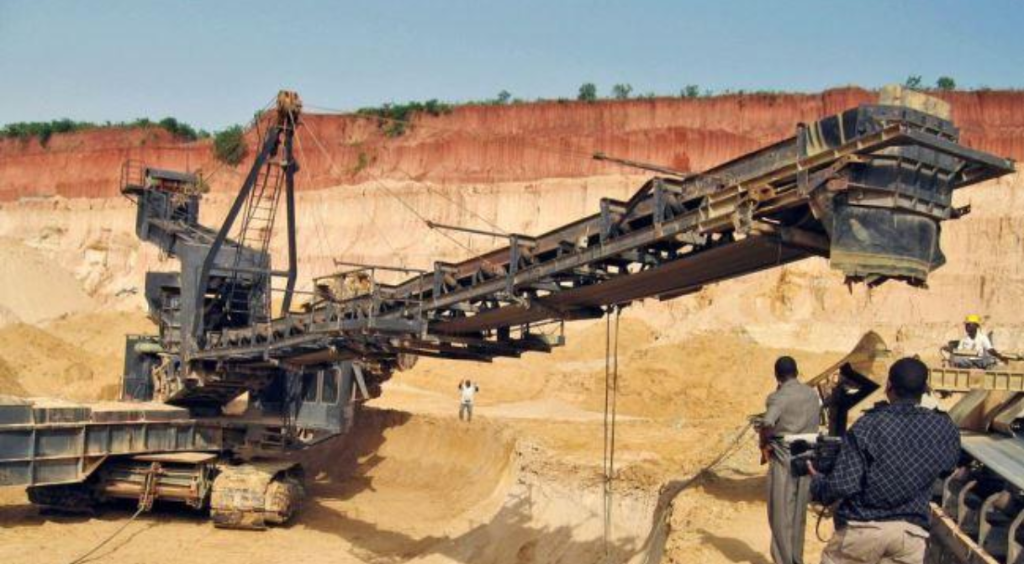
Togo’s phosphate reserves have long positioned the country as a key player in West Africa’s mining sector. Unlike many of its neighbors, Togo has decades of experience in phosphate extraction and exports significant quantities of raw ore. This existing infrastructure and resource base make it a logical candidate for the UEMOA’s planned industrial hub, which seeks to move beyond raw material exports to value-added production.
The project’s success hinges on transforming Togo’s phosphate into fertilizers tailored to the region’s agricultural needs. By developing local processing capabilities, the initiative aims to create jobs, boost technical expertise, and strengthen supply chains. However, experts warn that without substantial investment in infrastructure, energy, and logistics, the potential of Togo’s phosphate could remain untapped.
Financial stakes: who will foot the bill?
The UEMOA’s 2026-2030 regional program earmarks 1.45 trillion CFA francs for the phosphate-fertilizer project, with private investors expected to contribute the bulk of the funding. The breakdown includes:
- Private sector contribution: 1.19 trillion CFA francs
- Public sector funding: 239.5 billion CFA francs
This funding model underscores the project’s reliance on private capital, raising concerns about the willingness of industrialists and financial institutions to commit to a venture with long payback periods. For Togo, the challenge will be to create an enabling environment that attracts investment while ensuring the project’s benefits are shared equitably across the region.
Addressing West Africa’s fertilizer dependency
West Africa’s agricultural sector is heavily dependent on imported fertilizers, leaving farmers vulnerable to price volatility and supply chain disruptions. The UEMOA’s plan seeks to address this by establishing regional fertilizer production hubs, including the one planned for Togo. The goal is to produce region-specific formulations that enhance soil health and crop yields, reducing the need for costly imports.
Agricultural experts highlight the potential benefits of this shift, noting that locally produced fertilizers could improve accessibility for smallholder farmers and stabilize input costs. However, the transition will require close collaboration between industrial producers, agricultural cooperatives, and policymakers to ensure the products meet local demand.
From regional strategy to tangible results
The UEMOA’s phosphate-to-fertilizer initiative is a bold step toward industrializing West Africa’s agricultural value chain. Yet, the project’s success is far from guaranteed. Critics argue that without clear timelines, defined roles for stakeholders, and mechanisms to secure investments, the plan risks becoming another unfulfilled promise.
For Togo, the next phase will involve translating the UEMOA’s vision into concrete actions: finalizing infrastructure plans, securing financing commitments, and launching pilot production units. The country’s ability to meet these milestones will determine whether its phosphate reserves become a catalyst for regional industrial growth or remain a missed opportunity.
What comes next for Togo and the UEMOA?
The fallout from the public debate surrounding the phosphate project is forcing stakeholders to rethink their approach. Key questions remain unanswered: How will Togo balance its national interests with the regional objectives of the UEMOA? What safeguards will be put in place to ensure transparency and accountability in the use of public funds? And how can the project avoid repeating the pitfalls of past industrialization efforts in the region?
As the UEMOA prepares to unveil detailed implementation plans, all eyes will be on Togo to see if it can turn its phosphate resources into a cornerstone of West Africa’s industrial future. The stakes are high, and the window for action is narrowing.