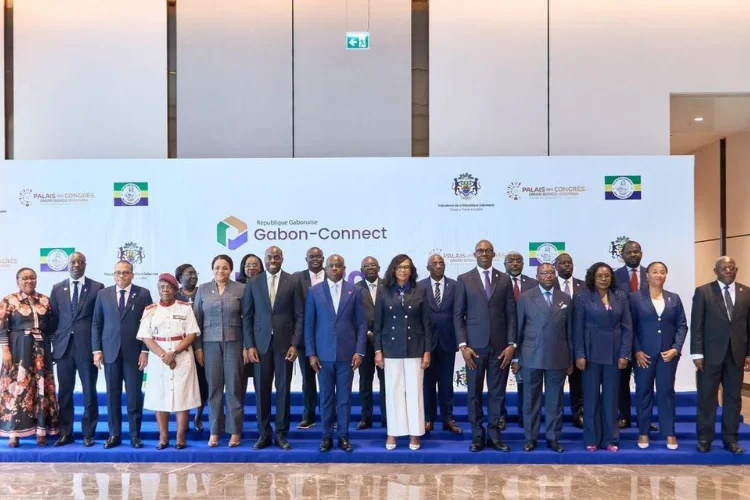
In a high-stakes meeting held in Yaoundé on October 20, 2026, Minister of Water and Energy Gaston Eloundou Essomba engaged with a powerful delegation led by Cédric Ketchanga of KC Trade International, unveiling a behind-the-scenes initiative that could redefine how Cameroon sources its fuel. The proposal hinges on a high-risk financing mechanism aimed at addressing the country’s growing dependence on imported petroleum products—a gap widened since the 2019 Sonara refinery disaster.
Behind the scenes of a high-stakes energy deal
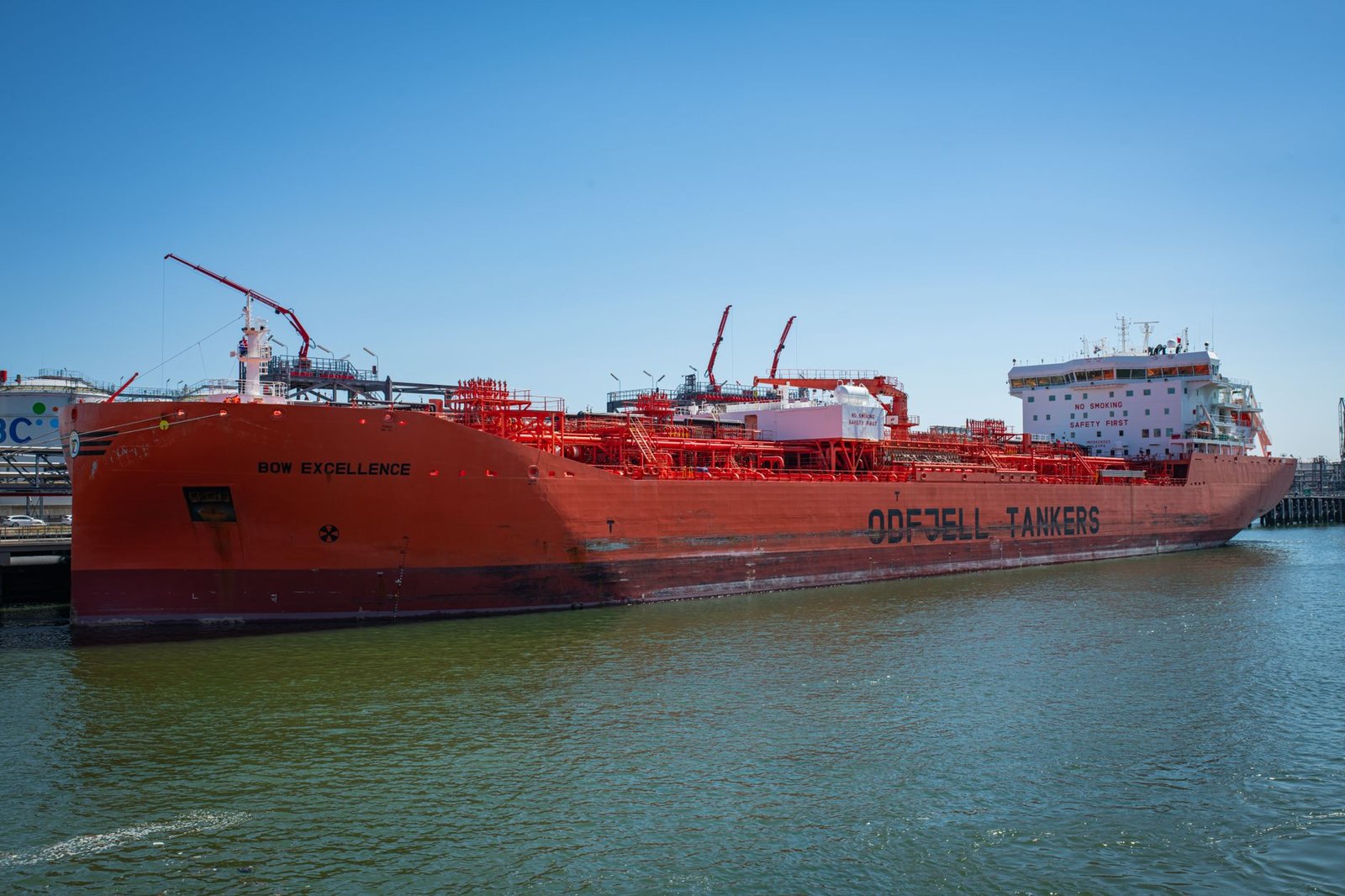
The negotiation table saw two global trading giants—BGN, led by Rüya Bayegan and headquartered in Geneva, and Zyron Energy, an Abu Dhabi-based company—propose a supply arrangement dubbed by Ketchanga as ‘Open Account 100%’. Under this model, tankers would deliver oil products to Cameroon upfront, with payment deferred to an unspecified future date. While such mechanisms are common in European consumer goods trade, they remain rare in oil, where documentary letters of credit typically minimize seller risk. Each tanker shipment—be it gasoline or diesel—represents a staggering $30 to $60 million exposure, depending on vessel size and market prices.
Key financial details remain undisclosed: the duration of supplier credit, the tonnage involved, and whether sovereign or bank guarantees would back the transaction. These unknowns make it nearly impossible to assess the true fiscal impact on the Cameroonian Treasury or the national storage operator, the Société camerounaise des dépôts pétroliers (SCDP), both of which would bear the long-term implications of the arrangement.
The strategic vacuum that’s drawing international players
The timing of the offer couldn’t be more critical. For years, Cameroon has relied heavily on refined product imports, a reliance cemented by the May 2019 fire at the Limbé-based Sonara refinery, which has yet to resume significant operations. Between January and October 2025 alone, the country imported 1.58 million tons of liquid fuels and 208,216 tons of LPG—equivalent to nearly 1.79 million tons over 10 months. On an annualized basis, that now totals 2.1 to 2.2 million tons of imports.
To put this into perspective, neighboring Côte d’Ivoire, with its far larger refining capacity of 3.5 million tons per year, remains a net exporter in West and Central Africa. This contrast highlights the untapped market share now available to international traders in Cameroon—shifting the supply dynamic from long-standing bilateral agreements between Sonara and a handful of fixed suppliers. Following the meeting, Rüya Bayegan confirmed that BGN had already initiated deliveries to Cameroon and was assessing further investments in the country’s energy sector.
Beyond supply: the broader industrial ambitions of traders
The delegation’s pitch extended beyond mere oil deliveries. Proposed components included multi-year supply agreements, international crude marketing of Cameroonian oil, and joint stakes in shipping vessels and port infrastructure. Each of these proposals would deepen Cameroon’s long-term ties with private operators, whose involvement in national fuel supply remains publicly undocumented.
The marketing of Cameroonian crude—currently managed by the national hydrocarbons company (SNH) through quarterly tenders—is one of the most sensitive aspects of this proposal. The entry of an additional intermediary could directly influence state oil revenues, especially given recent output levels of 60,000 to 65,000 barrels per day. For policymakers, the choice is no longer just about cash flow timing—it’s about defining how much influence new players should wield across the entire hydrocarbon value chain.
State’s balancing act in a shifting energy landscape
The proposed financing model reflects a deeper reassessment underway in Cameroon’s energy strategy. With no refinery operating at full capacity, the country’s import dependency is not just an economic challenge—it’s a bargaining chip for international traders positioning themselves in a market hungry for structure. The government now faces a crossroads: embrace high-risk, deferred-payment models to secure fuel supplies in the short term, or maintain control over pricing and revenue by limiting private sector involvement in core supply and marketing functions.