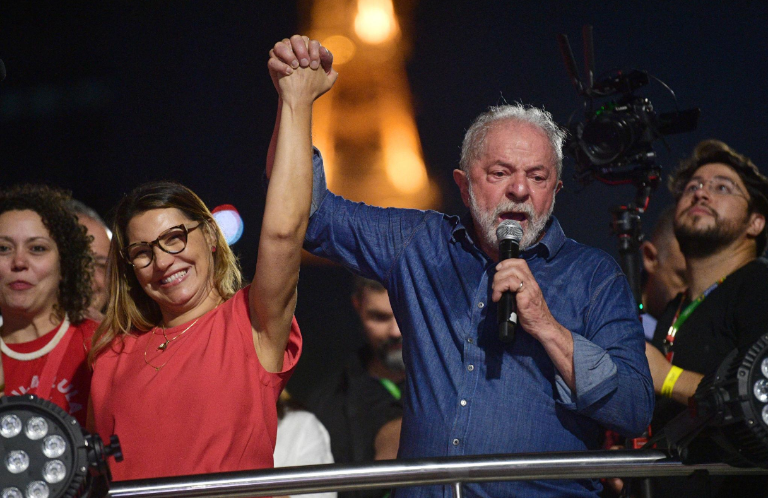
Brazil’s political landscape remains in turmoil after Luiz Inácio Lula da Silva secured a historic fourth term as president, but his victory is already under fire from rival Flávio Bolsonaro. The right-wing senator has launched a legal challenge, alleging irregularities in the election process and demanding the results be annulled. As the nation grapples with the fallout, the debate over the election’s fairness and the future of Brazilian democracy intensifies.
The contested victory and the legal battle ahead
Final official results confirm Lula’s narrow but decisive win, with 51.79% of the vote (64.2 million votes) compared to Flávio Bolsonaro’s 48.21% (59.8 million votes). The gap, though significant, has done little to deter the outgoing president’s son from pursuing legal avenues. Flávio Bolsonaro’s team argues that the election’s integrity was compromised by a last-minute extension of voting hours, ordered by Supreme Court Justice Cristiano Zanin, which allegedly disrupted the electoral process.
“Under these conditions, it is impossible to accept the election outcome,” Flávio Bolsonaro stated, vowing to take the case to court. His objections focus on claims that late changes to voting procedures violated equity among voters. However, both campaigns had previously requested extensions for logistical reasons—his own citing heavy rains in southern Brazil—adding complexity to the dispute.
The legal challenge raises questions about the resilience of Brazil’s electoral institutions. Critics argue that last-minute adjustments risk undermining trust in the system, while supporters of Lula dismiss the accusations as baseless attempts to overturn a legitimate result.
Political polarization and the weight of legacy
This election underscored the deep divisions plaguing Brazil, pitting Lula’s progressive social policies against the conservative ideals championed by the Bolsonaro family. Flávio Bolsonaro, son of former President Jair Bolsonaro—currently serving a 27-year prison sentence for his role in a coup attempt—represents a political bloc deeply skeptical of democratic norms.
The refusal to concede highlights broader anxieties about Brazil’s democratic stability. Observers warn that the prolonged dispute could exacerbate social tensions, already strained by years of political strife. Meanwhile, Lula’s fourth term, though historic, arrives with challenges: a divided electorate and a Congress dominated by conservative factions that may resist his reform agenda.
What’s next for Brazil’s democracy?
For Lula, the path forward demands reconciliation. In a conciliatory address, he acknowledged the nation’s split and pledged to govern for all Brazilians, regardless of political affiliation. Yet, his ability to bridge divides faces steep obstacles, not least from a legal challenge that seeks to overturn his victory.
The Supreme Electoral Court is expected to review Flávio Bolsonaro’s arguments in the coming weeks. Should the court uphold the results, the matter may subside—but if it finds merit in the objections, fresh elections or further legal battles could ensue. The outcome will test the robustness of Brazil’s democratic frameworks at a critical juncture.
One fact remains undisputed: Lula has been declared president. The question now is whether Brazil’s institutions can resolve this crisis within the bounds of the law—or if the fallout will deepen the nation’s political fractures.