Kinshasa, November 11, 2026 — The journey to a fairer wage structure for public servants in the Democratic Republic of the Congo (DRC) took a critical step forward this week as union delegates validated a landmark agreement with the government. But how did this compromise emerge, and what challenges lie ahead in turning these promises into reality?
Behind the scenes of the wage reform agreement
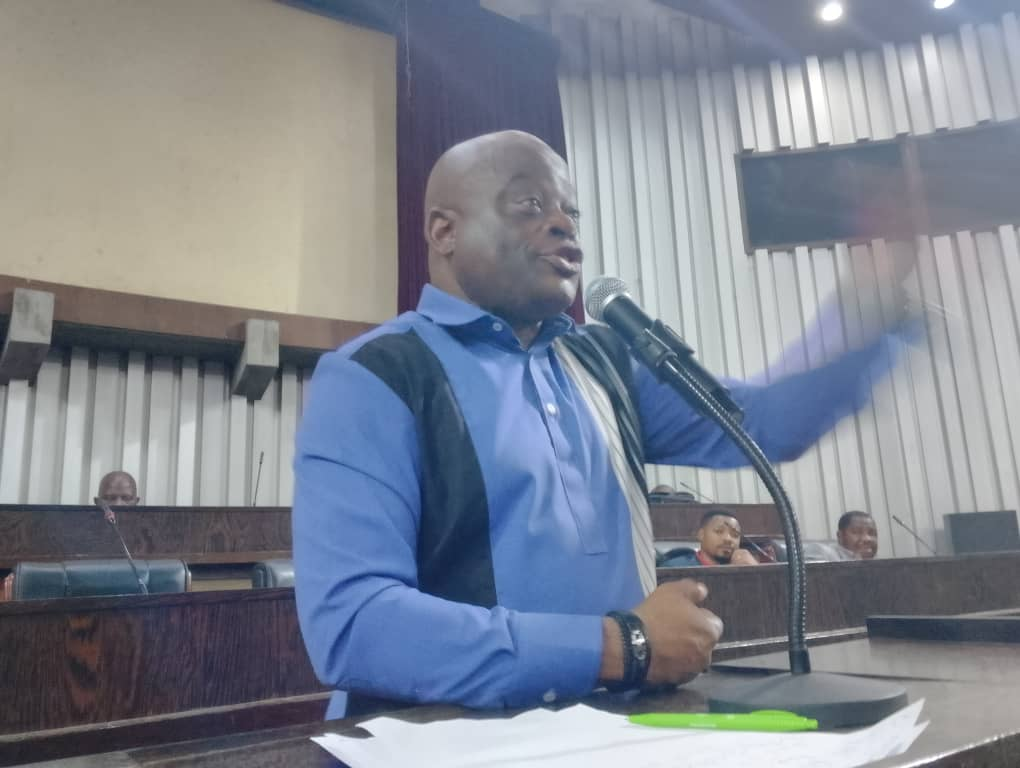
The validation of the wage policy accord by the National Inter-Union of Public Administration (Inap) representatives was not a spontaneous decision. Delegates from across the country’s central administrations gathered in Kinshasa for an intensive review process, examining the framework over multiple weeks. Fidèle Kiyangi, president of Inap, emphasized the significance of this milestone during the plenary session: “Today marks the culmination of our collective efforts to secure a fair and equitable wage policy. The agreement was presented to 600 delegates for validation, ensuring broad ownership of the outcome before adoption.”
Yet, Kiyangi’s remarks carried an unmistakable caution: “We have achieved what we set out to do legally and symbolically, but the true test begins now — will the government follow through on its commitments?”
The structural disparities driving reform
The new wage policy addresses long-standing inequities that have plagued Congo’s public sector. Currently, disparities persist between various ranks — from top executives to entry-level staff — and between different ministries. The reform aims to standardize base salaries across the board, with a target to lift the salary of a court usher to at least 800,000 Congolese francs within ten years, contingent on national GDP reaching $100 billion.
This initiative is designed to cover every public servant funded by the state, including the President, legislators, civil servants, security forces, and teachers. According to Inap, no professional group should be excluded from this pay equity initiative. The goal is clear: build a transparent, sustainable, and fiscally responsible wage system that realigns compensation with the actual capacities of the state.
Legal and operational roadmap ahead
Transforming policy into practice will require more than goodwill — it demands structured legal and administrative action. Kiyangi outlined a phased approach: “Decrees, orders, and ministerial ordinances will be progressively issued to align with the agreement. But without decisive presidential oversight and enforcement mechanisms, the reform risks remaining on paper.”
Here’s what implementation could look like:
- Phase 1 (0–12 months): Issuance of legal instruments to formalize wage bands and classification criteria.
- Phase 2 (1–5 years): Incremental salary adjustments aligned with budgetary availability.
- Phase 3 (5–10 years): Achievement of equity targets, subject to macroeconomic performance.
Critics point out that past reforms have stalled due to fiscal constraints and political inertia. This time, the union is demanding not just promises, but a binding implementation roadmap monitored by an independent joint commission.
What happens if the government fails to act?
While the wording of the agreement is cautious, Inap has made one thing unmistakably clear: “We will not accept selective implementation or partial fulfilment of the accord.” Should the government delay or water down the reforms, the union reserves the right to escalate actions, including legal challenges and nationwide mobilization.
Analysts suggest that the success of this reform may depend on two key factors: first, sustained political will from President Félix-Antoine Tshisekedi Tshilombo, and second, public pressure from civil society and international partners. The stakes are high — not just for wage justice, but for the credibility of the state’s social contract with its employees.