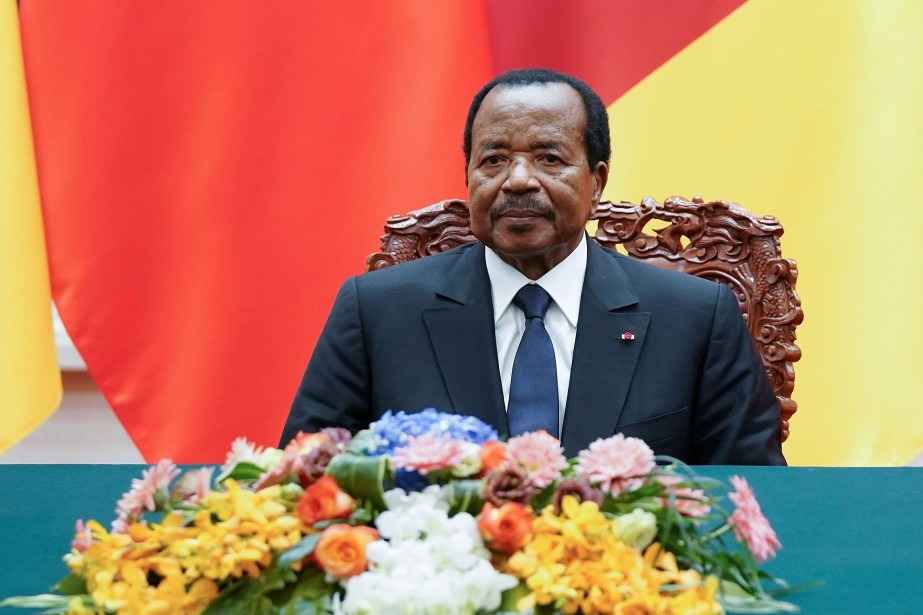
After years of political maneuvering, institutional delays, and intense bargaining among lawmakers, Cameroon’s electoral pathway has finally been set. President Paul Biya signed a decree on November 9, 2026, officially summoning voters to the polls on February 7, 2027. This historic dual electoral process will determine the future of 180 national deputies and hundreds of municipal councilors, marking a pivotal moment in the nation’s democratic journey.
Breaking free from years of uncertainty, the announcement closes a chapter of prolonged speculation and institutional limbo that had left the political landscape in flux. Current officeholders have held their mandates since the February 2020 elections, when the Cameroonian People’s Democratic Movement (CPDM) secured a sweeping majority with 152 seats in the National Assembly. However, what was originally slated for early 2025 faced successive delays, each justified by logistical, financial, and strategic concerns—particularly in light of the closely contested presidential election held in October 2025.
Why February 2027 was chosen: The political calculus behind the delay
Months of behind-the-scenes negotiations led to the final decision. The government first postponed the legislative elections to March 2026 under pressure from parliamentary extensions, then further delayed them until December 2026. Simultaneously, municipal elections were postponed until February 28, 2027, through presidential decree. While these adjustments drew criticism, they ultimately aligned with Cameroon’s electoral code, which mandates a minimum 90-day notice before polling—a requirement the February 7 date now satisfies.
- July 2024: Legislators voted to extend their own terms by one year, pushing back elections to March 30, 2026.
- March 2026: A second extension was approved, delaying the legislative vote once again to December 20, 2026.
- Throughout 2026: Municipal mandates were progressively extended, finally concluding on February 28, 2027.
This calculated delay was not merely reactive; it reflected a deliberate strategy to avoid overloading the electoral calendar and to allow political actors to regroup in the aftermath of the 2025 presidential race, which had reshaped alliances and voter expectations.
ELECAM’s moment of reckoning: Preparing for a massive logistical challenge
With the electoral calendar now established, Cameroon’s elections authority, Elections Cameroon (ELECAM), faces an unprecedented sprint to ensure a smooth process. Under the leadership of Enow Abrams Egbe, the agency must finalize voter register updates, mobilize resources across all ten regions, and train thousands of polling station officials in a compressed timeframe. The stakes are high: credibility and transparency in a vote that will define local governance and national political direction for years to come.
Voter registration overhaul
At the heart of ELECAM’s preparation is a critical review of voter rolls, aimed at addressing inconsistencies and enhancing participation. Past elections have been marred by allegations of outdated records, bloated registration numbers, and exclusion of eligible voters—a challenge officials vow to overcome this time around.
Logistics on the ground: A national mobilization
From urban centers like Douala and Yaoundé to remote rural areas in the Far North and East regions, ELECAM must ensure ballot boxes, voting booths, and trained personnel are in place. Security logistics also loom large, with regional tensions influencing deployment strategies in volatile zones.
Opposition forces gear up for battle amid shifting power dynamics
The February 2027 elections arrive at a crossroads. The opposition—consisting of prominent parties such as the Cameroon Renaissance Movement (CRM), the Social Democratic Front (SDF), and the National Union for Democracy and Progress (NUDP)—sees this vote as a chance to challenge the CPDM’s long-standing dominance. Their strategy centers on reclaiming parliamentary seats and leveraging municipal platforms to influence local governance, where public dissatisfaction with basic service delivery and mismanagement has grown.
Meanwhile, the CPDM, which has controlled the National Assembly since 2002, faces its own set of challenges: sustaining voter confidence amid perceptions of policy fatigue, managing internal factions, and responding to calls for greater accountability in decentralized governance.
Local governance: The heart of voter sentiment
Across Cameroon’s municipalities, incumbents—regardless of party affiliation—confront widespread frustration. Issues of poor road maintenance, erratic electricity, inadequate water supply, and opaque financial management have fueled public discontent. These elections offer a rare opportunity for citizens to influence local leadership directly, making them far more than just a midterm political test—they are a referendum on governance itself.
What’s at stake: A national identity in the making
As Cameroon approaches its first major electoral event since the 2025 presidential vote, the February 2027 elections are more than a routine democratic exercise—they are a defining moment in the country’s political identity. The outcomes will shape not only the composition of local councils and the National Assembly but also the trajectory of decentralization, citizen participation, and national unity in a diverse and evolving state.
Will the CPDM consolidate its power amid rising expectations for reform? Can the opposition mobilize a fractured base to break the ruling party’s stranglehold? Or will voter apathy and logistical hurdles dilute the impact of this long-awaited exercise? One thing is certain: Cameroon’s democratic journey, long deferred and debated, now moves into uncharted territory.