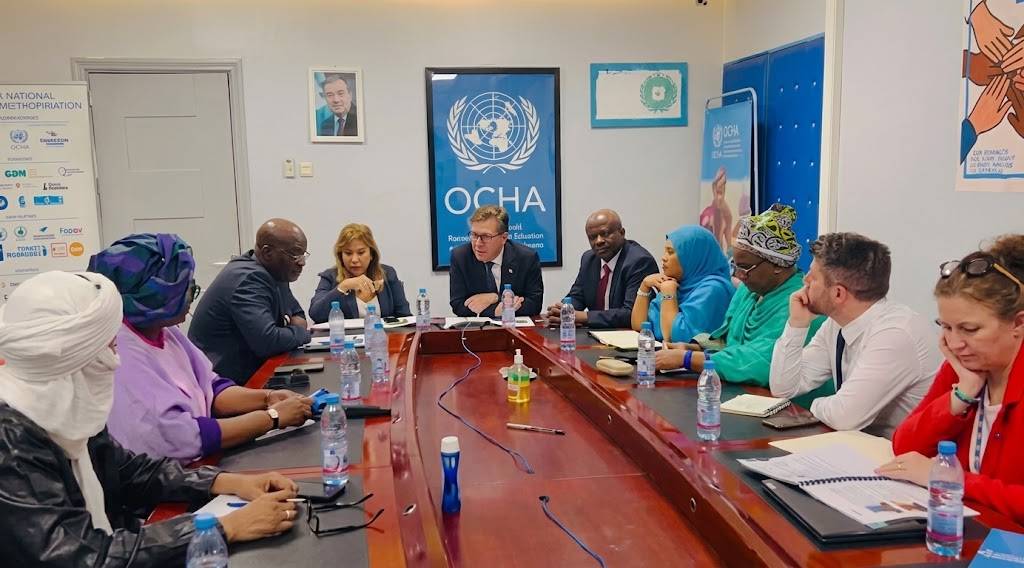
The international community is now facing a critical juncture in Mali as the United Nations sends a high-level delegation to Bamako, just as the country grapples with a severe humanitarian crisis. With 5.1 million people relying on external assistance in 2026, the visit by UN Deputy Emergency Relief Coordinator Tom Fletcher has triggered intense public debate over the future of aid delivery in a nation where diplomatic tensions are reshaping humanitarian operations.
The backdrop to this mission is a series of policy shifts by Malian authorities that have led to the withdrawal or suspension of several international and humanitarian organizations. As Bamako redefines its partnerships, the UN delegation’s arrival raises pressing questions: How can aid reach those in need when traditional channels are being restricted? And what does this mean for the millions caught in the crossfire of political realignment and humanitarian necessity?
Humanitarian needs reach unprecedented levels
The 2026 UN Humanitarian Response Plan estimates that 5.1 million Malians require urgent assistance—up from previous years—a figure that underscores the scale of the crisis. Of these, 3.8 million are identified as priority beneficiaries for intervention, highlighting the gap between identified needs and available resources.
The most pressing concerns include:
- Food insecurity: Rising prices, disrupted supply chains, and economic strain have left communities vulnerable to malnutrition and starvation.
- Healthcare access: Hospitals and clinics face shortages of staff, medicine, and equipment, particularly in conflict-affected regions.
- Water and sanitation: Contaminated water sources and inadequate sanitation systems are fueling disease outbreaks.
- Protection risks: Displaced families, women, and children remain exposed to violence and exploitation in unsafe environments.
The discrepancy between the total number of people in need (5.1 million) and those targeted for assistance (3.8 million) reveals a stark reality: the crisis far exceeds current response capacities. Without expanded funding, logistics, and coordination, millions could slip through the cracks.
UN mission arrives amid diplomatic friction
The timing of the UN delegation’s visit is no coincidence. Following years of policy changes by Malian authorities aimed at tightening control over foreign interventions, Bamako’s decision to welcome UN officials signals both a strategic pivot and a potential reset in relations. Yet experts warn against conflating this gesture with broader changes in policy toward other suspended organizations.
The UN’s presence, led by Fletcher—a key figure in shaping global humanitarian priorities—sends a dual message. On one hand, it acknowledges the legitimacy of Mali’s sovereignty claims. On the other, it insists on the imperative of delivering aid to those most at risk. The challenge now lies in reconciling these competing priorities without further marginalizing vulnerable populations.
Balancing sovereignty with life-saving aid
The core dilemma facing Mali today is not unique, but it has never been more acute: How can a government assert its authority while ensuring that essential humanitarian services remain operational? The withdrawal of certain NGOs has left critical gaps in service delivery, from emergency food distribution to mobile health clinics.
For the UN, the path forward requires:
- Negotiating access: Securing safe passage for aid workers and supplies in conflict zones remains a top priority.
- Leveraging partnerships: Collaborating with local organizations that still operate despite restrictions could bridge gaps in service delivery.
- Mobilizing funds: With only a fraction of the required $700 million needed to fund the 2026 response plan secured, fundraising efforts must intensify.
- Ensuring transparency: Clear communication between authorities and aid agencies is essential to prevent further disruptions.
As the UN delegation departs Bamako, the broader question lingers: Will this renewed dialogue translate into tangible support for those teetering on the edge of survival? Or will the humanitarian fallout of political decisions leave millions without recourse?
What comes next for Mali’s humanitarian landscape?
The answers will unfold in the coming months, but one thing is certain: the 5.1 million Malians in need cannot afford further delays. Their futures depend on whether diplomacy and necessity can align before the crisis spirals beyond control.