What GEX 2026 reveals about the future of military cooperation in West Africa
The multinational military exercise GEX 2026 has done more than test interoperability—it has exposed the fault lines and opportunities shaping Africa’s security landscape. With Côte d’Ivoire and Gabon hosting major drills alongside France in November 2026, the exercise signals a turning point in how nations align against transnational threats. But the real story lies not in the maneuvers themselves, but in what comes next: a regional debate over influence, sovereignty, and the durability of new defense architectures.
How the exercise is reorganizing partnerships and capabilities
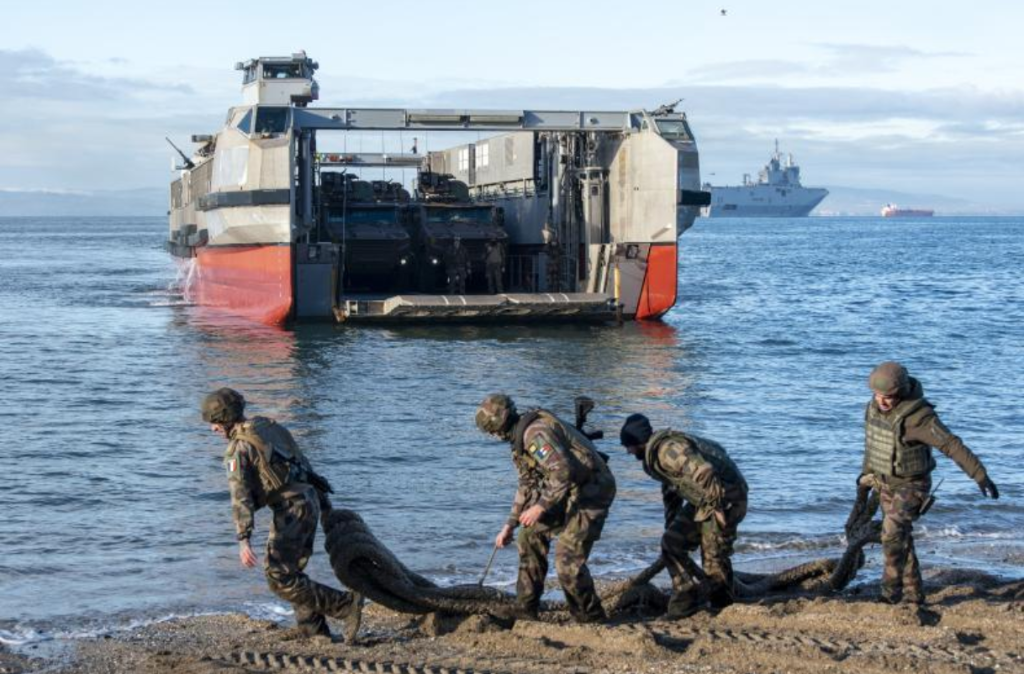
The GEX 2026 framework is built on two complementary phases. From November 7 to 14, Côte d’Ivoire hosted FANGHA 2026, a land-focused drill testing rapid response and coordination between ground forces. Then, from November 24 to 29, WAIYA 2026 took place in Gabon, focusing on maritime and amphibious operations. Together, they represent a shift from rigid command structures to flexible, multi-country collaboration.
The exercise drew 1,181 Ivorian troops, 850 from France, and around 100 Gabonese personnel, with observers from Benin, Guinea, Liberia, and Senegal. While France deployed high-profile assets like the Mistral amphibious assault ship and Mirage 2000 fighter jets, the African contingents focused on integrating local knowledge—critical for responding to threats that ignore borders.
The Gulf of Guinea as the new frontier of security cooperation
The Gulf of Guinea is no longer just a commercial corridor—it’s emerging as the central theater where new alliances are being forged. Rich in energy resources and vital shipping lanes, the region is increasingly vulnerable to piracy, illegal trafficking, and coastal instability spreading from the Sahel. Both Côte d’Ivoire and Gabon see the Gulf as a shared priority: Abidjan needs to secure its northern borders and maritime approaches, while Libreville aims to protect offshore assets and regional stability.
GEX 2026 didn’t just rehearse tactical responses—it tested the political will to sustain cross-border collaboration. By integrating observers from Benin and Senegal, the exercise signaled an intent to expand these networks beyond the immediate participants. The goal: turning short-term drills into lasting mechanisms for intelligence sharing, joint patrols, and coordinated crisis response.
But this ambition faces obstacles. Translating training into real-time coordination requires overcoming bureaucratic hurdles, aligning different military doctrines, and ensuring sustainable funding. The question now is whether participating states can move past symbolic gestures and build institutional trust.
France’s evolving military footprint: partnership over permanence
GEX 2026 arrives at a pivotal moment. After withdrawing from Mali, Burkina Faso, and Niger—and renegotiating its presence in Côte d’Ivoire and Gabon—France is recalibrating its African strategy. Gone are the days of large, permanent bases. In their place: targeted deployments, training missions, and partnerships based on shared risks rather than fixed installations.
The exercise underscored this shift. France didn’t just contribute firepower—it emphasized scalable support: rapid reinforcement, technical training, and integrated planning. The return of the Port-Bouët base to Ivorian control in 2025 symbolized this transition: sovereignty and partnership are now the pillars of engagement, not control.
Still, critics warn this model risks leaving gaps. Without a physical presence, can France respond quickly to crises? Can African nations truly build autonomy when relying on external logistics and intelligence? GEX 2026 doesn’t offer answers—but it does expose the tension between ambition and reality.
Will the Gulf of Guinea emerge as Africa’s security anchor?
For Côte d’Ivoire and Gabon, GEX 2026 is about more than training—it’s a statement of intent. Both countries are positioning themselves as regional security hubs, leveraging their geography and growing defense ties to assert influence. For Ivory Coast, this means consolidating its role as a stabilizing force in West Africa. For Gabon, it’s about securing both land and sea domains against rising instability.
Yet the broader picture remains uncertain. The presence of observers from four additional countries suggests potential for expansion, but also highlights disparities in military capacity and political commitment. Building a unified front requires more than joint exercises—it demands shared threat assessments, aligned doctrines, and long-term investment in local defense industries.
Key takeaways from GEX 2026’s fallout
- Regionalization is accelerating: The exercise is part of a wider trend where African states are taking the lead in regional security architectures, with external partners acting as enablers rather than commanders.
- Interoperability is the new currency: Success depends on how well different armies can speak the same operational language—something GEX 2026 tested but didn’t fully resolve.
- Sovereignty vs. support: France’s evolving role reflects a broader shift—partnerships must balance African agency with external assistance, or risk becoming unsustainable.
- The Gulf of Guinea matters: As instability creeps south from the Sahel, coastal nations are prioritizing maritime security, making this region a potential model for future cooperation.
What’s next? From drills to durable defense
The outcome of GEX 2026 won’t be decided on the training grounds of Abidjan or Libreville, but in the months that follow. Will participating countries institutionalize joint patrols? Will France scale back or expand its role? Most importantly, will the exercise translate into real deterrence against piracy, trafficking, and cross-border attacks?
The signs are mixed. Enthusiasm is high, but concrete steps—like shared maritime surveillance systems or a regional operations center—remain on the drawing board. As governments reassess their defense strategies, GEX 2026 stands as both a milestone and a challenge: a visible step forward, and a reminder of how much work remains.