Algeria’s latest environmental grievance with Morocco has escalated into a full-blown dispute, with officials warning that industrial and municipal discharges from across the border are poisoning the oued Mouilah in Tlemcen Province. Beyond the immediate ecological threat, the incident is being framed as a potential test case for international water law—and a fresh flashpoint in a relationship already strained by years of geopolitical rivalry.
How water pollution became the latest battleground for Algeria and Morocco
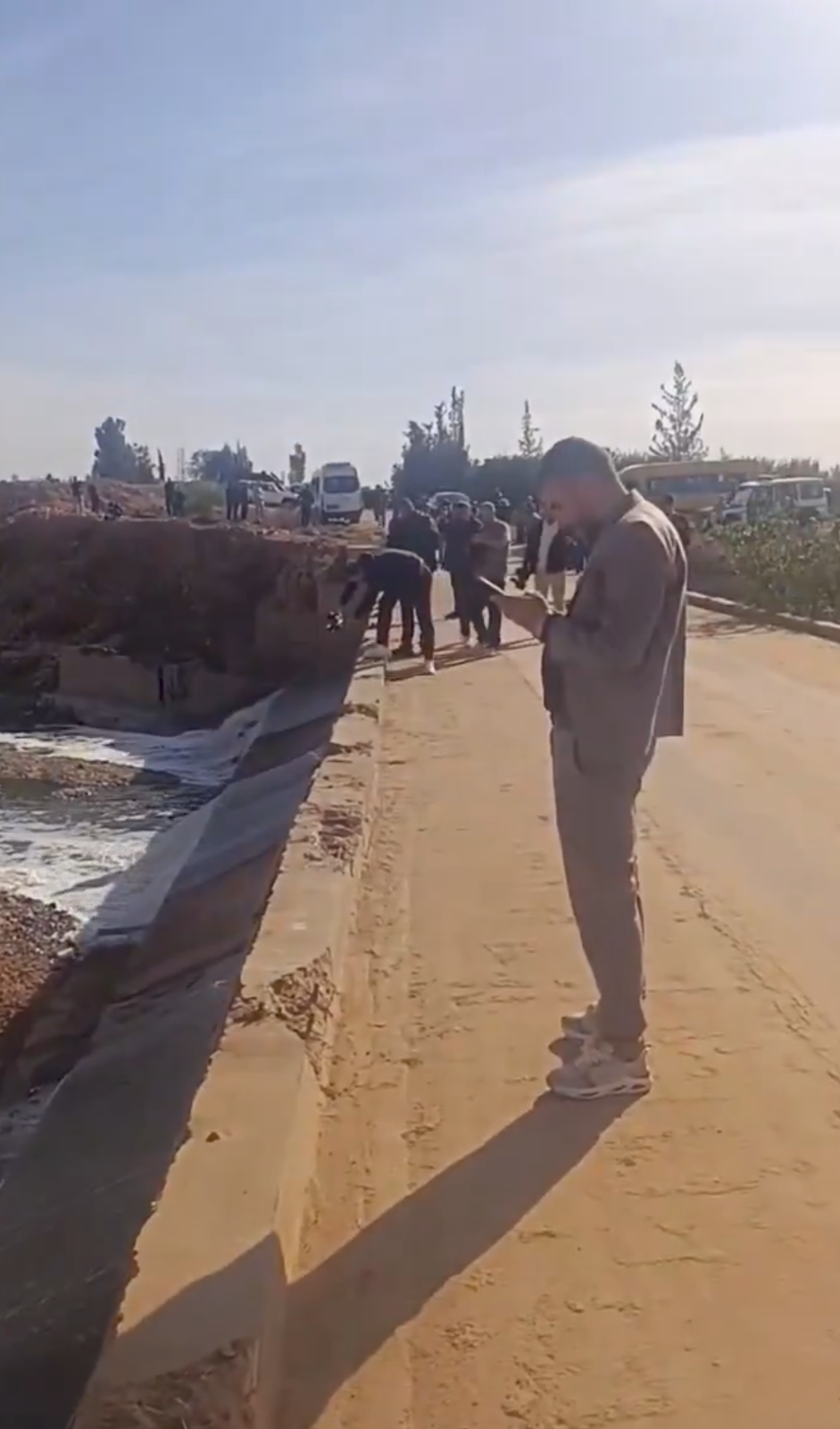
The oued Mouilah, a lifeline for western Algeria, now carries heavy loads of nitrites, heavy metals, pharmaceutical residues, and other contaminants that Algerian authorities insist originate in Morocco. The pollution is said to travel via the oued Isly before re-entering Algerian waters, raising concerns for the Hammam Bougara dam—a critical source of drinking water for Tlemcen—and for public health across the region.
What the evidence shows so far
Laboratory results released by Algerian officials cite elevated microbial and chemical loads, including traces of lead and cadmium. While the data point to human activity, establishing an unbroken chain of custody from Moroccan sources remains a challenge. Independent, cross-border verification is still pending, leaving the accusation unproven in the eyes of international standards.
Safety measures taken to safeguard drinking water
In response, Algerian water agencies have intensified treatment protocols, increased chlorination, and launched public advisories. Emergency sampling stations now monitor key tributaries, but officials concede that long-term solutions depend on pinpointing the source—and that can only be accomplished with transparent, third-party hydrological and toxicological studies.
Diplomatic reactions: from protest to potential courtroom showdown
Tlemcen legislators have formally urged their national government to petition international bodies, arguing that Morocco’s alleged cross-border pollution violates shared-resource agreements and shared duty-of-care provisions under international environmental law. Algerian diplomats have echoed the call, hinting at possible recourse to the International Court of Justice or regional water tribunals if bilateral negotiations fail.
The legal pathway under international water conventions
The 1997 UN Watercourses Convention and the Espoo Convention on transboundary impacts both oblige states to prevent harm to neighboring water bodies and to cooperate on shared risks. Algeria’s strategy appears to rest on proving that the contamination amounts to a transboundary injury, thereby triggering consultation, compensation, or even adjudication. Whether Rabat accepts jurisdiction remains an open question.
Tense neighbors: where climate stress meets political rivalry
Relations between Algiers and Rabat remain locked in a deep freeze after diplomatic ties were severed in 2021. Today, both countries face intensifying water stress from climate change, population growth, and agricultural demand. In such a climate, an accusation of deliberate or negligent pollution can swiftly become a sovereignty issue, complicating any effort toward dialogue.
Yet despite the rhetoric, neither side has indicated a military response. Instead, the focus has turned to scientific proof, risk assessment, and technical cooperation—raising the possibility that the oued Mouilah dispute could be resolved at the lab bench rather than on the battlefield.
The road ahead: science, sovereignty, or stalemate?
For now, the priority is clear: protect Tlemcen’s drinking-water supply. A joint technical commission, possibly under the auspices of the African Ministers’ Council on Water, could offer the neutral platform needed to reconcile conflicting datasets. Only then can responsibilities be allocated and remedies designed.
What is certain is that the oued Mouilah affair has already rewritten the playbook for transboundary water conflicts. Countries that share rivers, aquifers, and climate risks will need more than goodwill—they will need verifiable data, legally defensible claims, and the political courage to submit to independent expertise.