Global scrutiny intensifies as Antananarivo weighs Moscow’s security model
The deepening military ties between Madagascar and Russia have triggered fresh warnings from Washington, raising questions about the long-term implications of adopting Moscow’s Sahel security blueprint. With jihadist violence persisting in Mali, Burkina Faso, and Niger despite Russian support, the U.S. is urging Antananarivo to reconsider its strategic choices—or risk amplifying instability across the Indian Ocean.
Why does Washington oppose Madagascar’s Russia partnership? U.S. officials argue that the Russian security model, as tested in the Sahel, has failed to deliver lasting stability and could undermine regional security if replicated. The timing of these concerns coincides with Madagascar’s accelerating cooperation with Moscow, from arms deals to high-level diplomatic engagements.
The Sahel precedent: a cautionary tale for Indian Ocean nations
Washington’s skepticism stems from the outcomes of Russia’s involvement in the Sahel, where Moscow’s Africa Corps replaced Wagner’s controversial operations. Despite increased military support, violent extremist groups continue to strike in Mali, Burkina Faso, and Niger—undermining claims of effectiveness. The U.S. sees this as a red flag for any African nation considering similar alliances.
The Russia-Africa Summit in October 2026 further amplified Madagascar’s pivot toward Moscow, with bilateral agreements spanning defense, trade, and tourism. But as Antananarivo expands these ties, geopolitical tensions are escalating. The U.S. warns that Moscow’s security model prioritizes short-term gains over sustainable stability—a gamble that could backfire.
Madagascar’s strategic crossroads: balancing sovereignty and alliances
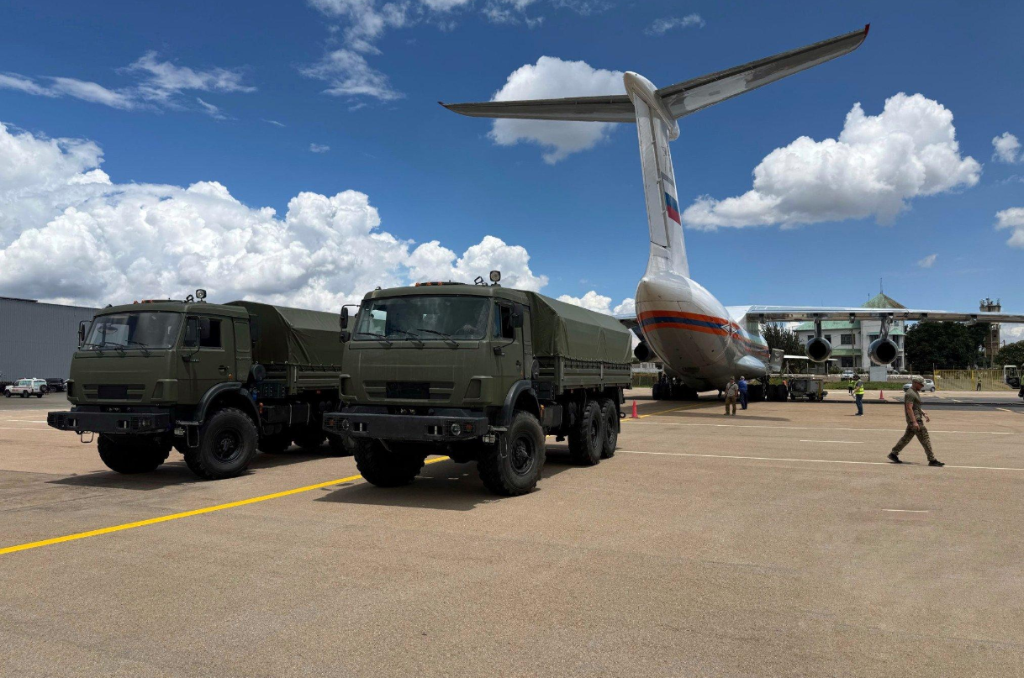
Since Colonel Michaël Randrianirina’s ascent to power in 2025, Madagascar’s relationship with Russia has flourished. Recent military cooperation includes drone deliveries, weapons transfers, and training programs. However, Washington’s objections highlight a growing dilemma: can Antananarivo navigate this partnership without compromising its sovereignty or security?
The island nation’s role in the Indian Ocean adds another layer of complexity. The Mozambique Channel, a critical shipping route, is now a focal point for U.S. concerns about maritime security amid reports of Islamic State-affiliated groups expanding their reach.
What risks does Russia’s model pose for Madagascar?
- Prolonged instability: Despite Russian military support, Sahel nations still grapple with insurgencies, raising doubts about the model’s long-term viability.
- Geopolitical backlash: Closer ties with Moscow could strain relations with Western partners, limiting access to alternative security and economic aid.
- Maritime vulnerabilities: The Indian Ocean’s strategic importance makes Madagascar a potential flashpoint for competition between global powers.
Washington’s strategy: influence over coercion
Rather than impose sanctions, the U.S. is leveraging diplomatic pressure to steer Madagascar away from Russia’s security model. A recent visit by a U.S. military delegation to Antananarivo underscored this approach, emphasizing collaboration in maritime surveillance, intelligence sharing, and counterterrorism training.
The message is clear: Washington prefers cooperation over confrontation. Yet, as Africa’s geopolitical landscape evolves, Madagascar faces a stark choice—align with Moscow’s vision or chart an independent path amid shifting alliances.
What’s next for Madagascar and its partners?
The coming months will reveal whether Antananarivo doubles down on its Russian partnership or seeks a more balanced approach. One thing is certain: the island’s strategic location and political choices are turning it into a key player in the Indo-Pacific’s evolving power dynamics.
For now, the debate rages on—between opportunity and risk, sovereignty and dependence, tradition and transformation. The world is watching.