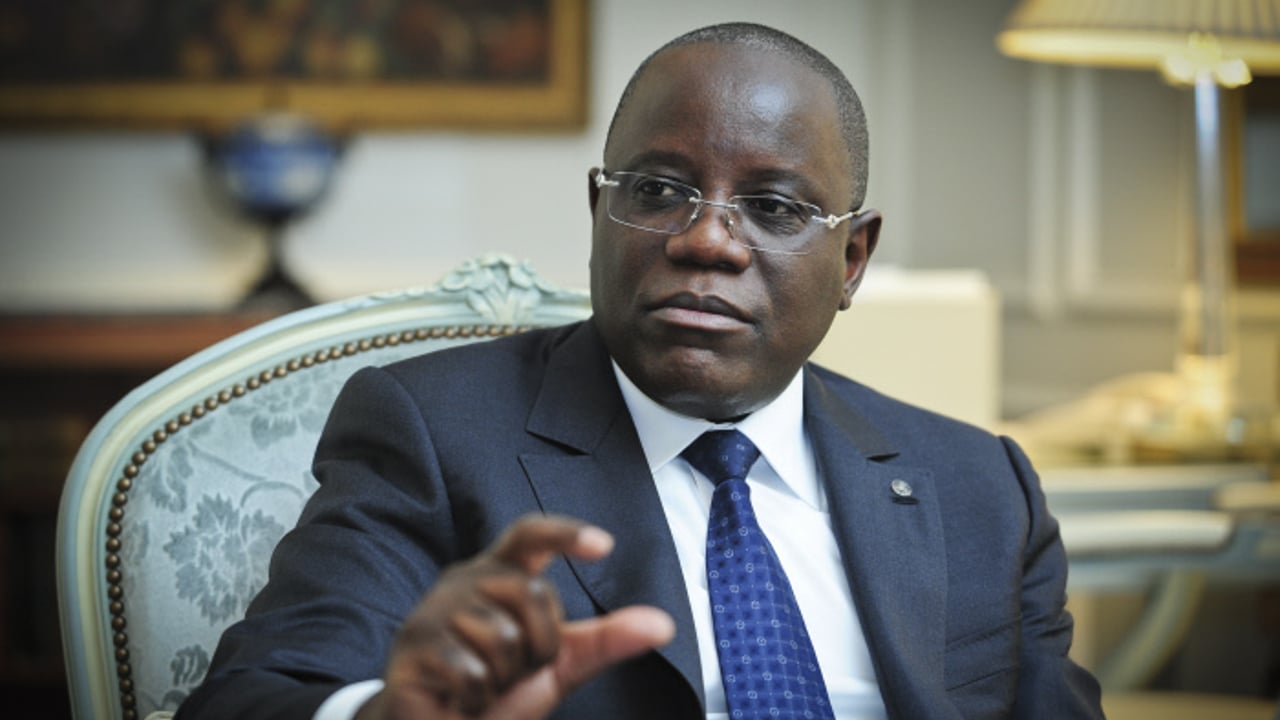
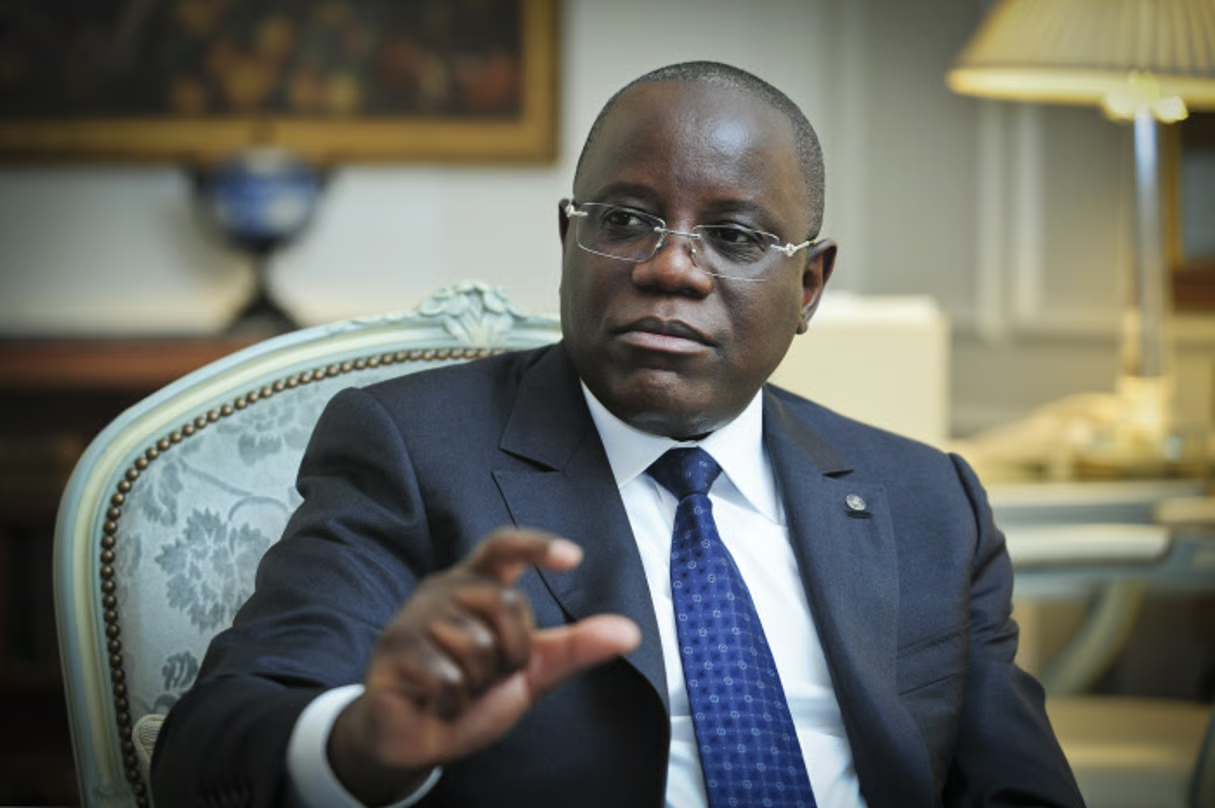
In an unexpected turn of events, Aubin Minaku, once the influential deputy leader of the People’s Party for Reconstruction and Democracy (PPRD), has been placed under house arrest in Kinshasa. While authorities have not disclosed the official reasons, insiders suggest the move stems from long-simmering internal party tensions and strategic realignments within the DRC’s political landscape.
The decision has sent ripples through Kinshasa’s political circles, raising questions about the future of the PPRD and its broader impact on RDC politics. What triggered this drastic measure, and what does it signal about the shifting power dynamics within the party and the government?
What led to Aubin Minaku’s house arrest?
House arrest orders typically emerge from allegations of serious misconduct, security concerns, or political expediency. In Minaku’s case, political analysts point to internal party rifts that have intensified in recent months.
One of the key triggers appears to be his alleged involvement in activities that contradicted the party’s current direction. Reports from insiders indicate that Minaku’s opposition to certain reforms proposed by the ruling coalition may have played a pivotal role in the decision. This move underscores the delicate balance of power within the PPRD and the broader Congolese political scene.
The precise circumstances remain shrouded in secrecy, but the decision reflects a calculated effort to consolidate control over the party’s direction and prevent potential defections to rival factions.
Inside the PPRD: a party in flux
The PPRD, once the dominant force in DRC politics, now faces unprecedented internal challenges. Aubin Minaku’s removal from active political participation signals a power struggle that could reshape the party’s future.
Key factors contributing to this instability include:
- Leadership succession uncertainties: The absence of a clear successor to Minaku has created a leadership void, prompting factions to jockey for influence.
- Policy divergences: Disagreements over policy direction, particularly on governance and economic reforms, have fractured the party’s unity.
- external pressures: Regional and international stakeholders may be exerting influence to steer the PPRD toward a more compliant stance.
These dynamics highlight the fragility of the party’s cohesion and its struggle to adapt to an evolving political environment in the Democratic Republic of Congo.
Nationwide implications: what’s next for DRC politics?
Aubin Minaku’s house arrest is not an isolated incident but part of a broader pattern of political maneuvering in DRC. His removal has far-reaching consequences for the political landscape, particularly in Kinshasa, where power struggles often set the tone for national policies.
Potential outcomes include:
- Strengthened ruling coalition: The move may solidify the ruling coalition’s grip on power, sidelining dissenting voices like Minaku’s.
- Increased factionalism: The party’s internal divisions could deepen, leading to further realignments among political actors.
- Public perception shifts: The decision may fuel public skepticism about transparency and accountability in Congolese governance.
Minaku’s case serves as a cautionary tale about the unstable nature of DRC politics, where alliances are fragile, and power can shift abruptly.
Contextualizing the power shift within the PPRD
The timing of Minaku’s house arrest is significant, occurring at a juncture where the PPRD is reassessing its role in the broader political ecosystem. His removal raises critical questions about who holds influence within the party and how decisions are made behind closed doors.
The decision likely reflects a strategic shift aimed at:
- Realigning with the presidential agenda: Ensuring that the PPRD aligns with the broader objectives of the current administration.
- Muzzling dissent: Preventing voices of opposition from gaining traction within the party.
- Consolidating leadership: Strengthening the position of key figures within the ruling coalition.
These developments underscore the complexity of political maneuvering in the DRC, where loyalty and power are constantly negotiated behind the scenes.
What does the future hold for Aubin Minaku?
Aubin Minaku’s future remains uncertain as he navigates the fallout from his house arrest. While the immediate focus is on his current status, long-term implications hinge on ongoing internal party negotiations and external pressures.
Possible scenarios include:
- Reintegration: If Minaku aligns with the ruling coalition’s objectives, he may be reintegrated into the party’s decision-making processes.
- Marginalization: Alternatively, he could face prolonged exclusion from political activities, effectively sidelining him from future developments.
- Defection: In a worst-case scenario, Minaku might consider leaving the PPRD to form or join a rival faction, further destabilizing the political landscape.
The coming months will be critical in determining whether Minaku can regain his political footing or if his influence in DRC politics has permanently waned.