Export surge triggers public and policy reactions
The recent surge in Beninese exports to the UK—jumping 62.5% to £13 million in the 12 months ending June 2026—has ignited a wave of reactions across economic and policy circles. While trade officials celebrate what they call a “trade breakthrough,” critics question whether this momentum can translate into lasting economic benefits for Benin, especially amid rising concerns over trade imbalances and market access barriers.
The sharp rise in shipments of agricultural products, particularly fruits and vegetables, has dominated headlines and social media debates. Analysts are divided: some see it as a validation of Benin’s export diversification strategy, while others warn that structural challenges—including sanitary standards, logistics costs, and competitiveness—could stall progress if not addressed urgently.
What’s driving the surge—and is it sustainable?
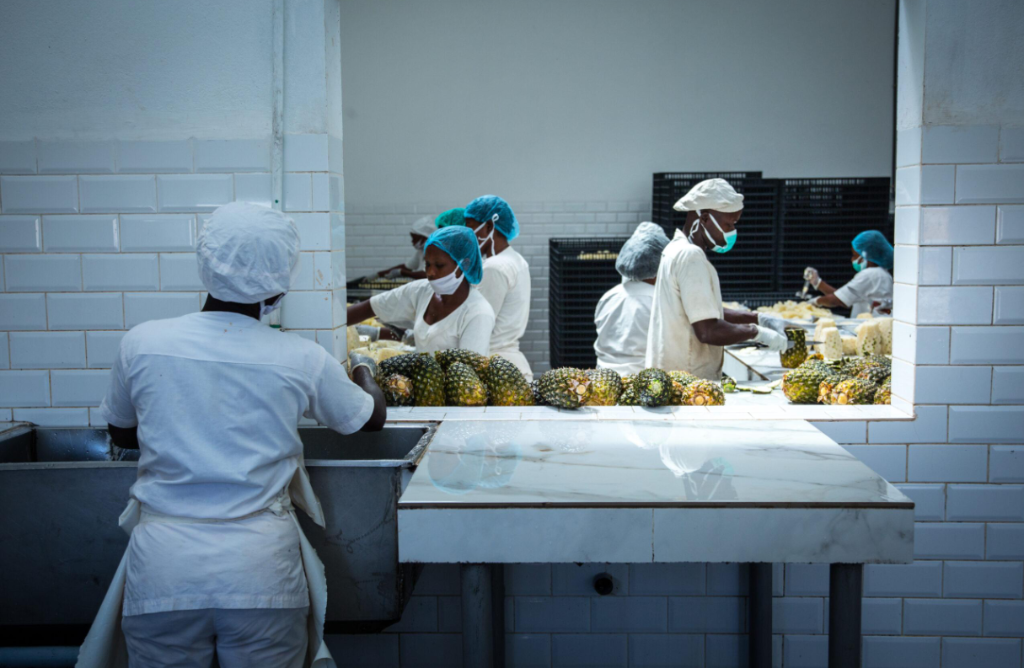
The record growth in Benin’s exports to the UK is largely attributed to a dramatic 400% increase in goods shipments, now valued at £5 million. Fruits and vegetables alone accounted for £5.2 million in UK purchases over the same period, underscoring the growing appetite for West African produce in European markets.
This expansion reflects more than just a statistical uptick. It signals a shift in consumer preferences and supply chain dynamics. Beninese exporters are increasingly targeting niche markets in the UK, capitalizing on demand for tropical fruits and seasonal vegetables. But behind the positive numbers lies a critical question: can this momentum be sustained beyond the short term?
- Market access and compliance: Meeting the UK’s stringent sanitary and phytosanitary (SPS) standards remains a major hurdle. Failure to comply could lead to export bans or costly recalls, threatening the hard-won gains.
- Logistics and infrastructure: High transportation costs and limited cold-chain capacity continue to erode profit margins, especially for perishable goods.
- Value addition: While raw agricultural exports are rising, there is limited local processing. Most value is captured downstream in the UK, limiting Benin’s earnings from the trade boom.
UK exports to Benin decline—what does this mean for trade balance?
Not all the news is positive. While Benin’s exports to the UK surged, British exports to Benin fell by 6.9%, totaling £54 million for the same period. Despite this decline, British goods still dominate bilateral trade, representing over 80% of total trade flow—£54 million out of £67 million.
This imbalance has fueled concerns in Cotonou. Trade experts argue that unless Benin significantly increases its export volume and diversifies its product base, the trade deficit with the UK will persist. In fact, the gap widened by £41 million in favor of the UK over the past year.
The decline in UK exports to Benin raises further questions about the sustainability of current trade patterns. Are British businesses reducing investment in Benin? Or is demand simply shifting elsewhere? These uncertainties are prompting calls for a strategic reassessment of commercial ties.
Public debate: is this a turning point for Benin’s economy?
Reactions among policymakers, business leaders, and civil society have been mixed. Some officials hail the export surge as evidence of Benin’s growing integration into global value chains. They point to government incentives, improved market access agreements, and investments in agricultural modernization as key drivers.
Others, however, are skeptical. They argue that the gains are concentrated in a few high-value crops and that the broader economy has yet to feel the impact. Farmers’ associations warn that without deeper structural reforms—including access to finance, better training, and stronger cooperatives—the export boom may benefit only a small elite.
Social media has amplified the discussion, with hashtags like #BeninExportsUK and #TradeBreakthrough trending among business influencers and agricultural advocates. The debate is no longer confined to boardrooms—it’s shaping public perception of Benin’s economic future.
What comes next? Roadmap for sustained growth
With the UK’s share of Benin’s total exports still minimal—just 1.3%—there is ample room to grow. But growth will require more than just rising shipment volumes. It demands a coordinated strategy across multiple fronts.
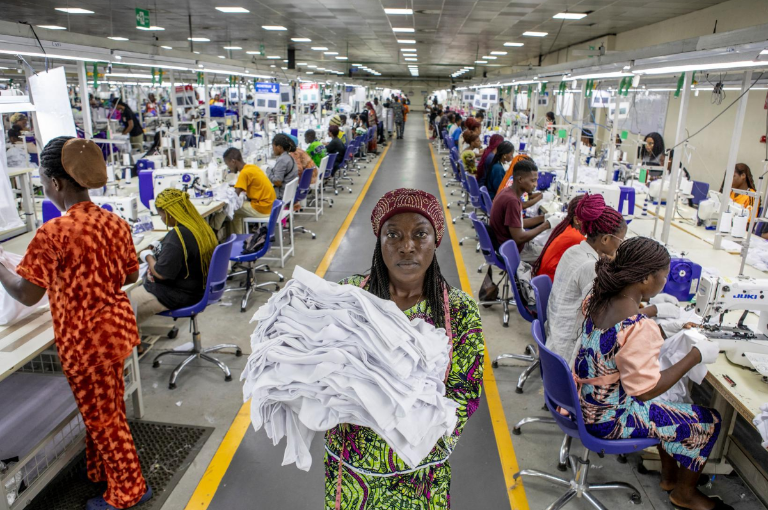
Diversification beyond agriculture: Benin must explore new export sectors—textiles, processed foods, and even digital services—to reduce reliance on a single industry. Diversification not only spreads risk but also increases resilience against global price shocks.
Strengthening local value chains: Instead of exporting raw cashews or pineapples, Benin could add value through local processing—roasting, canning, or freeze-drying. This would capture more revenue and create jobs in rural areas.
Improving compliance and logistics: Investment in sanitary facilities, cold storage, and efficient port infrastructure is non-negotiable. Partnerships with international agencies and private investors could accelerate these upgrades.
Policy support and incentives: The government may need to revisit export incentives, tax breaks, and trade facilitation measures to support small and medium-sized enterprises (SMEs) seeking to enter the UK market.
A tale of two data sets: why numbers matter
It’s important to note that the UK trade figures come from British authorities and may not align perfectly with Benin’s own records. Differences in data collection, classification, and timing can lead to discrepancies. For instance, while the UK reports £5.2 million in fruit and vegetable exports, Benin’s data might include only the exported value at the border.
Despite these inconsistencies, the overall trend is undeniable: Benin is gaining ground in the UK market. But as one economist put it, “Statistics are just signals. What matters is what you do with them.”
Can Benin turn a trade surge into long-term prosperity?
The 62.5% surge in Beninese exports to the UK is a milestone worth celebrating. It shows that Benin’s products can compete in competitive international markets. Yet, this success is fragile.
The coming months will reveal whether this growth is a one-off phenomenon or the beginning of a sustainable upward trajectory. For Benin, the path forward is clear: consolidate gains, address structural weaknesses, and chart a course toward a more balanced and diversified trade relationship with the UK.
One thing is certain: the policy choices made today will determine whether this export surge becomes a legacy of economic transformation—or just another missed opportunity.