Economic growth fuels public debate on Benin’s industrial leap
The announcement of an 8.2% year-on-year real GDP growth for Benin in early 2026 has ignited widespread discussions about the country’s economic trajectory. While the figures reflect strong momentum, they also raise critical questions about sustainability, inclusivity, and the broader implications of accelerating industrialization.
FMI validation and the road ahead
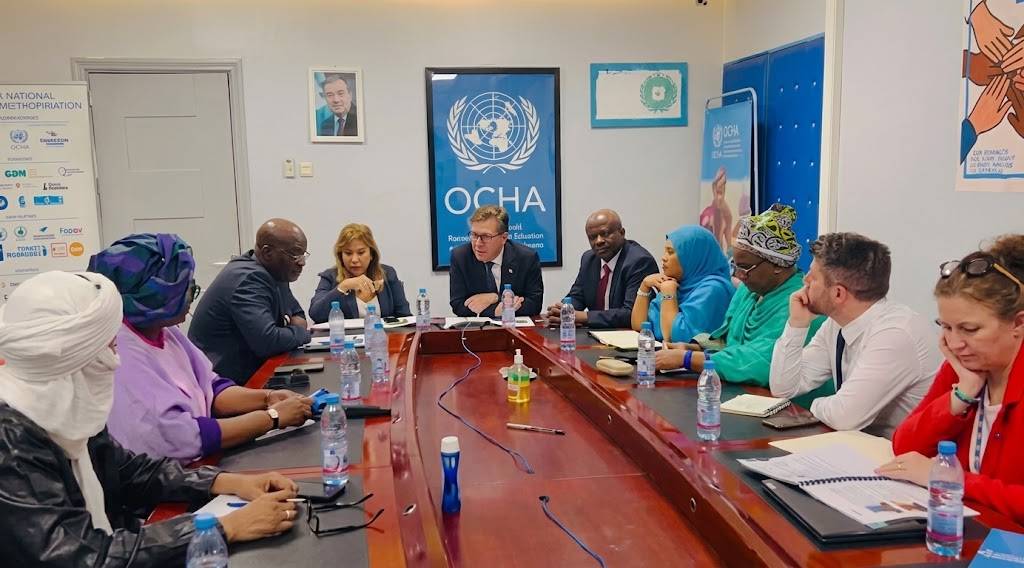
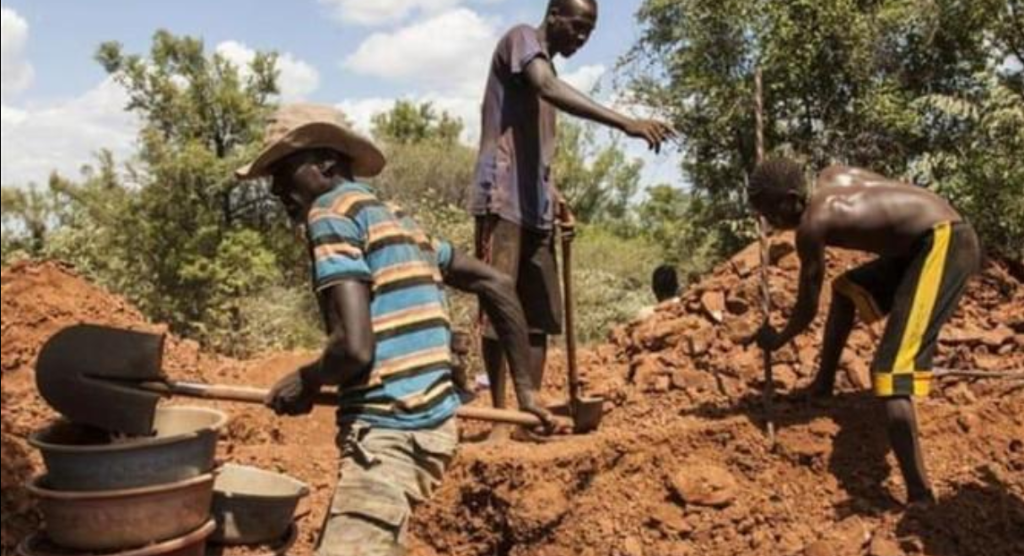
The International Monetary Fund’s endorsement of Benin’s economic performance adds significant weight to the narrative of transformation. A mission led by Sonali Das in late 2026 confirmed the 8.2% growth figure, signaling confidence in the country’s structural reforms. This momentum comes as authorities push to move beyond raw material exports toward a more diversified, value-driven economy.
Yet, behind the headline numbers lies a complex set of challenges. Public debate has intensified over whether Benin can sustain this pace while ensuring broad-based economic participation. Critics question whether industrial expansion will translate into tangible benefits for local communities, particularly in rural areas where agriculture remains dominant.
Industrialization: a gamble or a necessity?
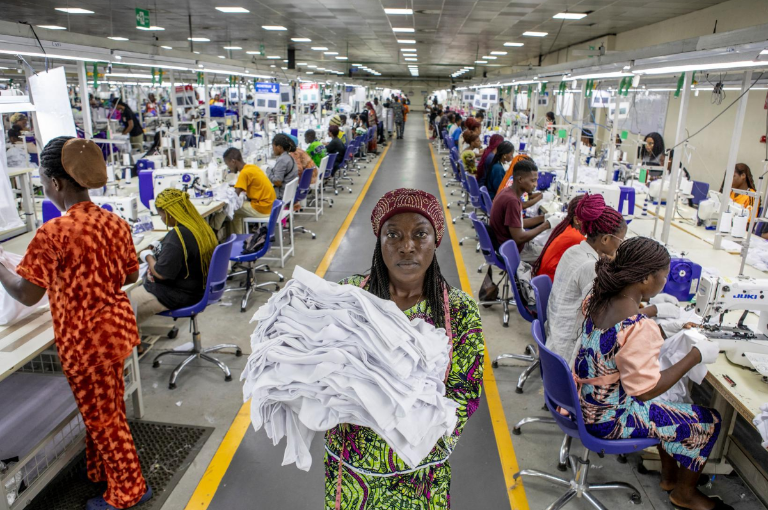
The push for industrialization is not without controversy. Supporters argue that developing local processing capacity—especially in agriculture and textiles—will reduce dependency on global commodity markets and create high-quality jobs. The government’s flagship Glo-Djigbé Industrial Zone (GDIZ) is often cited as proof of this vision in action.
Opponents, however, warn that rapid industrialization could deepen inequality, concentrating wealth in urban centers while leaving peripheral regions behind. They also point to risks such as environmental degradation and the potential crowding-out of small-scale farmers.
Export ambitions: can Benin compete globally?
The goal of exporting manufactured goods to Europe, China, and the U.S. reflects Benin’s ambition to reposition itself in the global value chain. Proponents believe that by entering high-value sectors like agro-processing and light manufacturing, the country can secure better trade terms and reduce vulnerability to price shocks.
But skeptics caution that global competition is fierce. To succeed, Benin must overcome hurdles in logistics, infrastructure, and product quality—all areas where current capacity remains limited. The race to meet international standards could prove as difficult as the industrial transformation itself.
Structural risks threaten long-term stability
Despite the optimism, warnings persist about underlying vulnerabilities. Commodity price volatility, regional security threats, and climate-related disruptions could derail progress. The FMI has emphasized that sustaining growth will require not just capital investment, but also targeted reforms in education, vocational training, and business support systems.
There is also growing concern about labor market mismatches. As industries modernize, demand will shift toward skilled workers, potentially leaving many informal-sector employees without viable alternatives. Policymakers face the dual challenge of fostering industrial growth while preventing social fragmentation.
Public dialogue: what does the future hold?
The 8.2% growth figure has become a catalyst for broader conversations about Benin’s economic identity. Should the country double down on industrialization, or diversify its approach to include digital, green, and service sectors? How can growth translate into equitable development without deepening regional divides?
Civil society groups, business leaders, and policymakers are now debating these questions in forums across the country. One thing is clear: Benin stands at a crossroads. The choices made today will determine whether its economic boom leads to lasting prosperity—or leaves behind a trail of unfulfilled promises.