The great paradox: fleeing violence only to return to more hardship
Thousands of Burkinabe gold miners who fled to Guinea in search of safety and economic survival now face an uncertain future. Expelled from their makeshift mining sites, they are being sent back to a Burkina Faso still grappling with terrorism, mass displacements, and economic strain. Without viable reintegration pathways, their forced return could deepen existing social and security vulnerabilities across the country.
Why they left in the first place: survival over opportunity
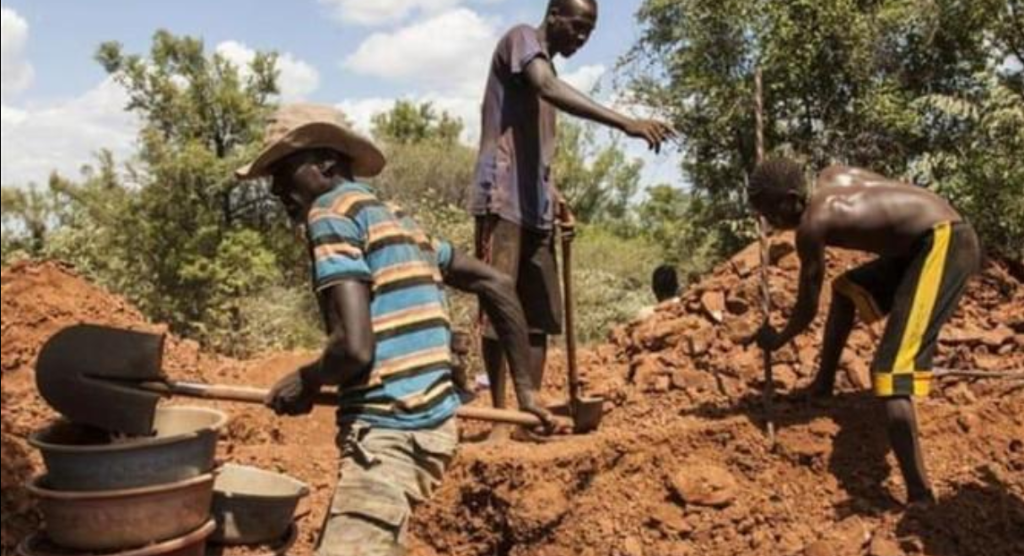
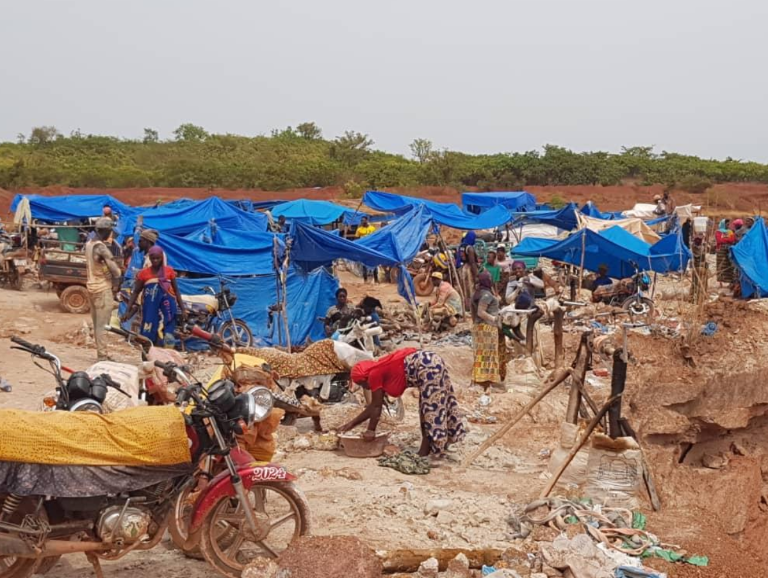
Many Burkinabe miners didn’t leave for fortune-seeking alone. For years, Burkina Faso’s escalating insecurity—driven by armed groups, state-led abuses, and terror attacks—forced families to abandon homes and livelihoods. With villages emptied and farms abandoned, mining in neighboring Guinea’s gold-rich regions like Siguiri became a desperate but necessary alternative. The promise? A chance to earn enough to support loved ones back home.
Yet what began as an escape from one crisis has now become another. Guinea’s crackdown on undocumented foreign miners has abruptly closed that chapter, leaving these workers stranded with little to show for their labor.
Guinea’s expulsions: a humanitarian blind spot?
The Guinean government’s deportation drives highlight tensions over mineral governance and migrant rights. While Conakry holds sovereign authority over its extractive sector, reports of harsh treatment during expulsions have raised concerns about the welfare of returnees. For miners who had built fragile stability in unfamiliar lands, the abrupt loss of income and social networks is more than financial—it’s existential.
Some return with savings; others with nothing. For those who fled conflict zones in Burkina Faso, the idea of returning to their villages is fraught with fear. What awaits them isn’t just economic ruin but the risk of re-entering the same cycle of violence they tried to escape.
Homecoming without security: villages and cities equally unwelcoming
The harsh reality is that returning to Burkina Faso doesn’t guarantee safety. Many returnees hail from areas still under jihadist control, where homes stand abandoned and farmland lies fallow. Others may end up in overcrowded displacement hubs, where access to food, shelter, and basic services is already strained. Adding thousands more without income or prospects risks tipping fragile communities into deeper poverty.
The recruitment risk: when despair turns to desperation
While poverty doesn’t inevitably lead to violence, prolonged hardship in a war zone creates fertile ground for extremist recruitment. Armed groups are known to exploit such vulnerabilities—offering payment, protection, or a sense of purpose to those with no alternatives. A young man with no income, no home, and no hope may become a target, regardless of his initial intentions.
The danger isn’t hypothetical. Burkina Faso’s security crisis has long fed on economic marginalization. Pushing miners back into this void without support could inadvertently fuel further instability.
Turning forced return into a path forward
This isn’t just a migration crisis—it’s a test of Burkina Faso’s ability to protect its own. Authorities must move beyond border reception and address the root needs of returnees: identifying those unable to return home due to active conflict, providing temporary cash aid, vocational training, and sustainable income opportunities. Local governments, humanitarian partners, and development agencies should collaborate to prevent marginalization.
Diplomatic efforts with Guinea must also prioritize humane treatment during expulsions and explore long-term solutions for cross-border miners. But the ultimate question lies within Burkina Faso itself: what future does the nation offer those it has failed twice—first by violence, then by neglect?
The choice ahead: reconstruction or deeper crisis
These miners aren’t just economic refugees; they are victims of compounded failures—security, governance, and now migration policies. Their expulsion from Guinea shouldn’t mark the beginning of another nightmare but the moment for a coordinated national response. Without it, Burkina Faso risks trading one humanitarian catastrophe for another, leaving returnees to fend for themselves in a country already overwhelmed by crisis.