The mood in Togo is growing increasingly tense as opposition leaders prepare for a pivotal protest on November 20, 2026. The demonstration, dubbed a ‘patriotic warning day’ by organizers, comes amid mounting public frustration over soaring living costs, persistent power cuts, and mounting allegations of government mismanagement under President Faure Gnassingbé’s administration.
Opposition unites under wave of economic and social discontent
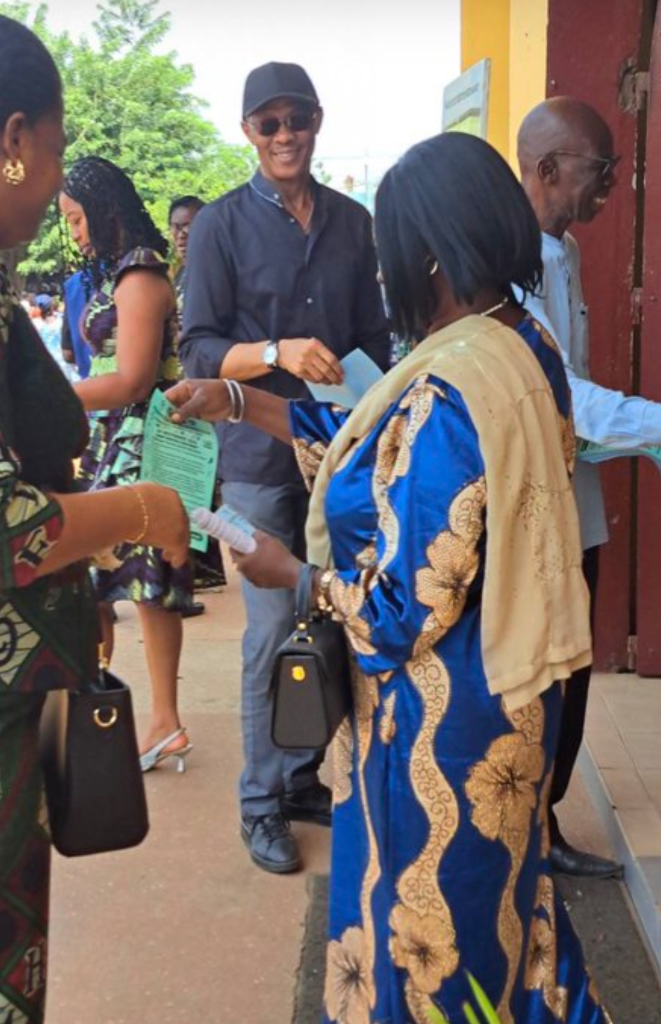
Nathaniel Olympio, a prominent opposition figure and leader of the Manifeste Génération Togo coalition, has ramped up efforts to rally Togolese citizens against what he describes as systemic failures of governance. The movement’s latest push involves grassroots outreach, including flyer distribution outside churches, to galvanize support ahead of the November 20 mobilization.
The coalition, which brings together multiple civil society groups, aims to channel widespread discontent into a cohesive national movement. Their goal: deliver a clear warning to authorities by demonstrating the depth of public dissatisfaction with economic policies and political reforms.
Skyrocketing costs spark widespread hardship
The steep rise in living expenses has become a defining grievance in the opposition’s campaign. Essential goods—from food staples to fuel—have seen prices surge, placing disproportionate strain on low-income households, informal traders, and wage earners whose earnings fail to keep pace with inflation.
Olympio argues that the government’s failure to address these economic pressures reflects deeper institutional failures. In his view, the state has prioritized short-term stability over sustainable solutions, leaving ordinary citizens to bear the brunt of policy shortcomings.
Power shortages expose systemic governance gaps
Frequent electricity blackouts have become another lightning rod for criticism. For critics, these disruptions are more than just an inconvenience—they symbolize broader governance failures in energy infrastructure management. The opposition has singled out the Compagnie Énergie Électrique du Togo (CEET), demanding greater transparency and accountability in the agency’s operations.
Business owners and service providers have been particularly vocal about the impact of unreliable electricity. Small enterprises reliant on consistent power supply face operational disruptions, while public services struggle to maintain service delivery, adding to the frustrations fueling the protest movement.
Institutional reforms and social justice take center stage
Beyond economic grievances, the opposition is leveraging the protest to highlight what it calls systemic injustices under Gnassingbé’s government. The movement’s demands extend to political accountability, including calls for the release of detainees labeled as political prisoners, the safe return of exiles, and a fundamental overhaul of national governance structures.
These criticisms underscore a growing distrust in state institutions, though they remain firmly within the realm of political opposition rather than legal allegations. Still, the opposition insists these issues are critical to restoring public faith in the country’s democratic processes.
Constitutional controversy fuels mobilization
The 2024 constitutional reform has emerged as another flashpoint in the national debate. Critics argue that the changes consolidate power within the executive branch, effectively undermining democratic alternation—a cornerstone of Togo’s political stability.
By reshaping the balance of power, the reform has intensified grievances among opposition groups, who view it as a tool to prolong Gnassingbé’s leadership. The protest on November 20 is seen as a first step toward broader demands for constitutional revision and a return to a system perceived as more representative of popular will.
November 20 protest sets stage for 2027 transition push
The opposition’s strategy hinges on the November 20 demonstration as a catalyst for future action. Organizers have called for a nationwide work stoppage, urging citizens to participate as a show of force against the government’s policies.
Looking ahead, the movement aims to build momentum toward a potential political transition in early 2027. Leaders of Manifeste Génération Togo have hinted at pushing for inclusive national dialogue as a pathway to reform, though the viability of this plan remains uncertain.
The success of the November 20 mobilization could determine whether the opposition’s narrative gains traction or fizzles under government pressure. One thing is clear: by spotlighting economic hardship, power failures, and institutional grievances, Olympio’s campaign has redefined the political conversation in Togo—and set the stage for a high-stakes showdown with authorities.