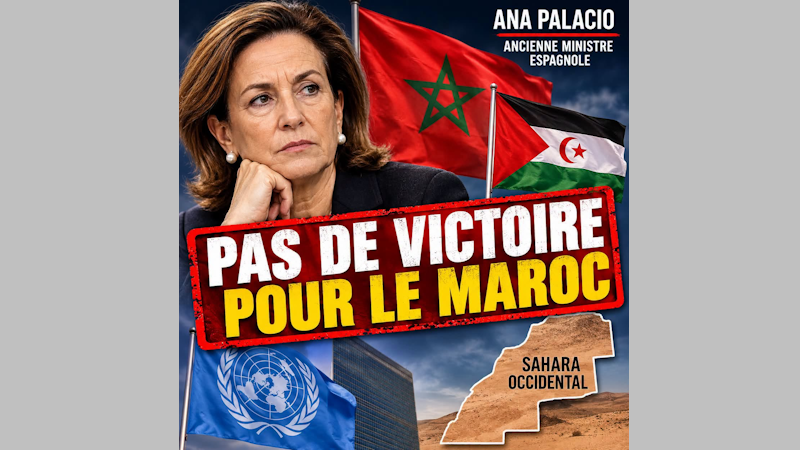

The United Nations’ abrupt about-face on Western Sahara has exposed deep fractures within the Security Council, revealing how power dynamics can reshape international diplomacy overnight. While the expiration of the MINURSO mandate marks a symbolic victory for Rabat, the underlying legal vacuum persists, leaving the territory’s fate hanging in the balance.
The unforeseen collapse of MINURSO at the UN Security Council
After three decades of monitoring ceasefire lines and stalled peace processes, MINURSO’s sudden dismantling stems from an unprecedented diplomatic deadlock. On October 30, Russia vetoed a revised US-backed resolution that had secured 11 favorable votes, effectively ending the mission’s mandate. Meanwhile, Moscow’s counterproposal for a technical one-year extension also failed when Washington rejected it, ensuring mutual stalemate.
The original American draft sought to erase the referendum component from MINURSO’s mandate entirely, framing Morocco’s 2007 autonomy plan as the sole basis for future negotiations. Though softened to avoid immediate rejection, the proposal still triggered Russian opposition, culminating in the mission’s collapse.
Key diplomatic obstacles:
- US-Russia rivalry: Washington pushed for unilateral recognition of Morocco’s proposal, while Moscow insisted on preserving the UN’s neutral oversight role.
- Legal ambiguity: Removing the referendum reference from MINURSO’s title did not alter the territory’s non-self-governing status under international law.
- Strategic miscalculations: Both superpowers underestimated the unintended consequences of dismantling a peacekeeping framework without a viable replacement.
Rabat’s victory lap and geopolitical calculations
Morocco swiftly declared the UN mission obsolete, demanding the withdrawal of all UN personnel and symbols. This assertive stance reflects three critical calculations:
1. Diplomatic exhaustion: After securing broad support for its autonomy initiative in 2007, Rabat faces diminishing returns from UN channels. With no clear path to formal sovereignty recognition, Morocco pivots toward bilateral recognitions and strengthened bilateral ties.
2. US alignment: The Trump-era rapprochement with Morocco provided crucial backing, allowing Rabat to bypass periodic UN reviews and consolidate its position.
3. Domestic legitimacy: The Western Sahara issue remains a cornerstone of Morocco’s national identity, particularly as the monarchy prepares for a generational transition toward Crown Prince Moulay Hassan.
Why the legal vacuum spells long-term instability
Despite Morocco’s celebration, Western Sahara remains on the UN’s list of non-self-governing territories. The MINURSO withdrawal eliminates a key conflict-monitoring mechanism, raising critical questions about escalation risks.
| Outcome | Legal and political consequences |
| Territorial status | No change under international law. Western Sahara retains its non-self-governing classification. |
| Sovereignty transfer | None. Morocco gains no legal title, only enhanced diplomatic maneuvering space. |
| Conflict resolution prospects | Diminished. The Polisario Front loses a neutral observer, increasing risks of unilateral actions. |
| Multilateralism health | Eroding. The episode highlights how major powers sidestep UN frameworks when outcomes don’t align with their interests. |
Analysts warn that the dismantling of MINURSO exemplifies a dangerous trend: when great powers weaponize the UN, they weaken the very system designed to prevent conflict. A world where rules are ignored but norms endure creates fertile ground for new crises.