DRC military tightens smartphone ban for troops amid rising security risks
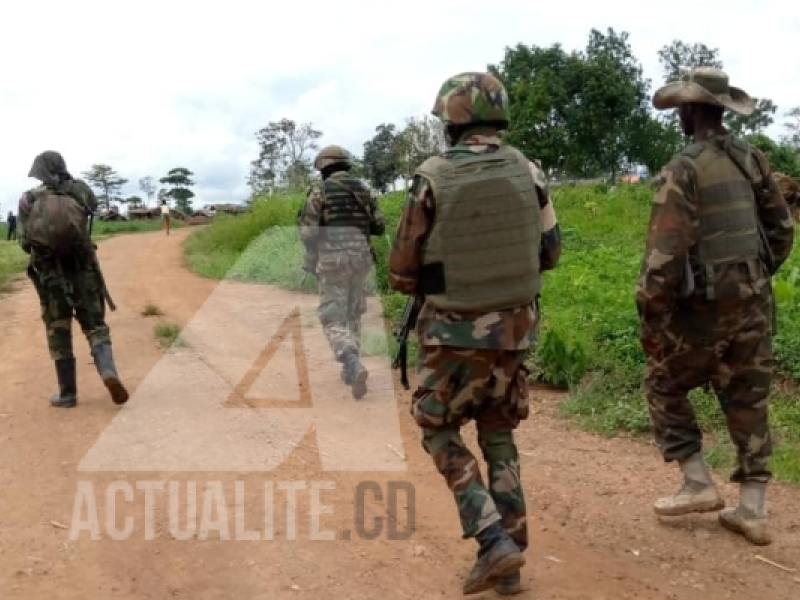
The Armed Forces of the Democratic Republic of the Congo (FARDC) have issued a fresh warning to military personnel operating in conflict zones: the unauthorized use of smartphones is strictly prohibited. This stern reminder comes as authorities highlight the severe security risks posed by mobile phone misuse during combat operations.
Why this ban matters now
In a statement released on , acting spokesperson for the FARDC, Lieutenant-Colonel Mak Hazukay, emphasized that even a single smartphone left on or used carelessly can expose entire units to enemy detection. The risk is particularly acute in active conflict zones such as the highlands of Fizi and Mwenga in South Kivu, where government forces are engaged with the Allied Democratic Forces (ADF)/M23 rebels.
- Location tracking: Smartphones can inadvertently broadcast troop movements or positions.
- Operational secrecy: Sharing mission details, troop numbers, or movement plans compromises military strategy.
- Social media exposure: Posting images or videos from combat zones can reveal unit formations, equipment, and vulnerabilities.
Strict compliance required
The military command has ordered all personnel to:
- Avoid using smartphones in unauthorized areas.
- Never share real-time location, troop movements, or mission details online or via messaging apps.
- Report any suspicious use of communication devices by fellow soldiers.
- Follow all operational security protocols without exception.
“A single misused device can jeopardize the entire unit,” warned Lieutenant-Colonel Hazukay. “Soldiers must remain vigilant, discreet, and focused on their duty.”
Background: A pattern of concern
This is not the first time the FARDC has raised alarms about smartphone use in conflict zones. Similar incidents occurred earlier in the conflict near Goma, where unauthorized videos and messages surfaced online, revealing internal discontent and operational weaknesses. Repeated warnings have since been issued to prevent such breaches of security.
The latest directive follows recent social media posts by soldiers complaining about conditions in the frontline areas. While such expressions may reflect genuine grievances, they also pose a direct threat to operational security and national defense.
What’s next?
The military leadership has announced intensified monitoring and stricter enforcement of communication protocols. Personnel found violating these rules will face disciplinary action. The move underscores the delicate balance between transparency, soldier welfare, and national security in a prolonged conflict.