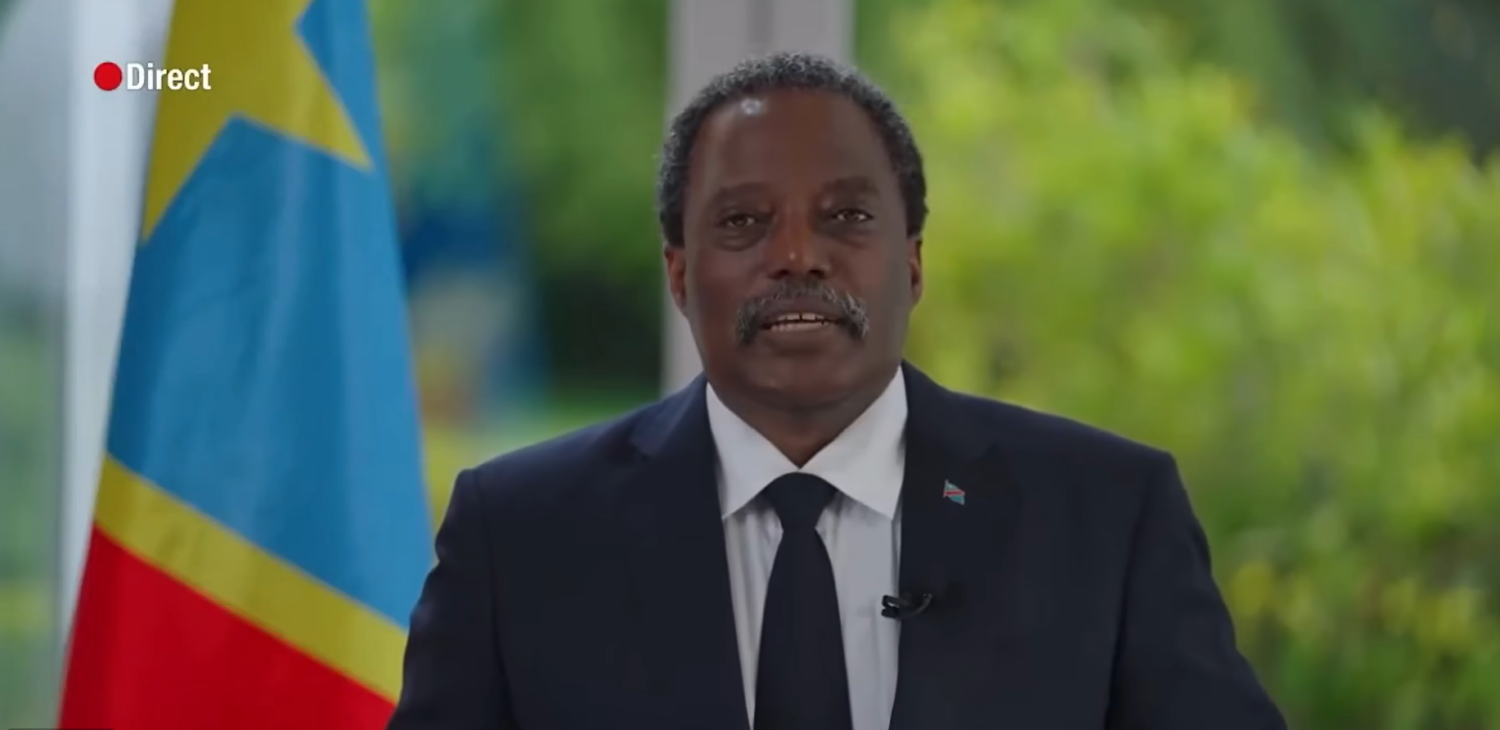
With his recent public endorsement of the Front for the Rebuilding of the Nation (FRN), former Democratic Republic of Congo (DRC) president Joseph Kabila has ignited a fierce political and military firestorm. The coalition, uniting armed factions including the M23 and former Alliance du Fleuve Congo, now operates under Kabila’s leadership as a strategic front to mask Rwanda-backed rebellion efforts. This bold move risks plunging the already fragile Congo into a full-blown civil war while exposing deep regional fractures and international tensions.
The making of Kabila’s political comeback
Joseph Kabila’s rise to power was shaped by turmoil. His father, Laurent-Désiré Kabila, emerged from rebellion in 1996, backed by Rwanda’s Paul Kagame, to overthrow Mobutu Sese Seko. Gaining control of Kinshasa in 1997, Laurent-Désiré quickly sought independence from his Rwandan patron—sparking the Second Congo War before his assassination in 2001.
At just 29, Joseph inherited the presidency amidst chaos, navigating a delicate balance between Congo’s internal factions and the ambitions of neighboring Rwanda. Now, by openly aligning with Rwandan proxies he once opposed, Kabila is attempting to elevate a local insurgency into a national crusade for regime change.
Turning a militia into a political force
The M23, previously viewed as a Tutsi-led armed group serving Rwandan interests, now gains unprecedented legitimacy under Kabila’s leadership. His involvement elevates the rebellion from a community-based conflict to a national opposition movement with presidential ambitions.
Kabila’s strategy hinges on his stature as a former head of state, providing the M23 with political credibility it desperately lacked. By positioning the FRN as a unifying force against incumbent Félix Tshisekedi, Kabila seeks to consolidate power and challenge the current administration.
Congo’s mineral wealth: a curse or a catalyst for war?
The DRC sprawls over 2.3 million square kilometers—nearly 90 times larger than Rwanda—yet remains vulnerable to external exploitation. Eastern provinces like Kivu and Ituri hold vast reserves of gold, coltan, cobalt, and other critical minerals fueling global demand.
Rwanda, though not a producer of these resources, continues to profit through illegal mining and smuggling networks. Analysts warn that Kabila’s alliance with rebel groups may further entrench this predatory system, turning mineral-rich zones into militarized strongholds under the control of armed factions.
This reality exposes Congo’s structural fragility: a nation rich in resources but unable to govern or protect its territory due to constant foreign interference and internal strife.
Humanitarian crisis deepens as conflict escalates
The DRC’s eastern region is already one of the world’s most volatile zones, home to nearly 150 armed groups ranging from self-defense militias to jihadist factions like the ADF-Nalu. With Kabila’s FRN now in the mix, the humanitarian toll could skyrocket.
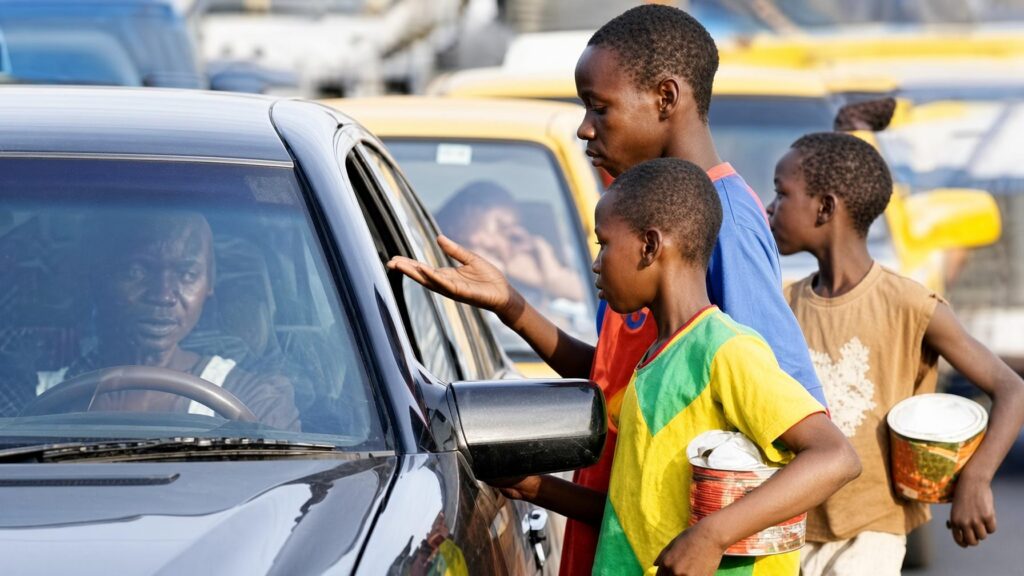
Civilians pay the highest price. Decades of violence have turned the Kivus and Ituri into hotspots for atrocities, including sexual violence and mass killings. By lending his name to the rebellion, Kabila risks exacerbating an already catastrophic situation, pushing millions further into displacement and suffering.
The road ahead: conflict or compromise?
Kabila’s gamble carries immense stakes. While his alliance may temporarily embolden opposition forces, it also threatens to ignite a broader conflict that could destabilize the entire region.
The international community faces a critical dilemma: intervene to prevent further bloodshed or stand by as Congo’s political and economic future hangs in the balance. One thing is clear—the choices made now will determine whether Congo descends further into chaos or finds a path toward stability.