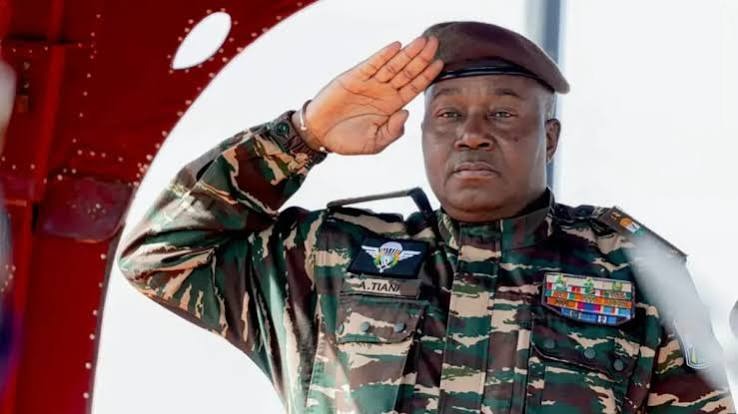
The abrupt reversal on fuel price hikes in Niger has exposed deep rifts within the ruling junta, signalling not a concession to public demand but a desperate bid to cling to power amid mounting instability. Far from a populist victory, the decision to freeze pump prices represents the first major tactical retreat for General Abdourahamane Tiani since the July 2023 coup, revealing a regime increasingly on the back foot.
The backlash behind the policy reversal
What was framed as a social gesture to ease public pressure has instead laid bare the fractures within the National Council for the Safeguarding of the Homeland (CNSP). Months of internal debate between the transition advisory council, the petroleum ministry, and junta leadership culminated in a humiliating about-face when the general overruled his own advisers. The volte-face underscores a leadership paralysed between technocratic demands for fiscal reform and the paralysing fear of social contagion in the capital.
The junta’s waning confidence
The last-minute policy reversal marks a stark departure from the assertive posture the junta had maintained for over a year. Since the tense standoffs of August, when whispers of a possible breakdown in public order first surfaced, the CNSP’s earlier bravado has morphed into a survivalist calculus. Every move now is calibrated to avoid the final spark that could ignite broader unrest. Yet this gambit risks reinforcing the perception of a leadership losing its grip.
The freeze on fuel prices may have staved off immediate protests, but it does nothing to address the underlying fragility of a regime that increasingly governs through crisis management rather than vision.
Economic contradictions and hidden costs
On the surface, the price freeze appears to protect consumers, but the reality is far more precarious. With supply chains strained and official stockpiles depleting, the policy has merely shifted the burden to the black market:
- Black-market surge: While pump prices remain artificially low, acute shortages in regions like Maradi and Zinder have driven informal fuel prices to double the official rate, exacerbating inflation and public distrust.
- Resource capture: The promised audit of the petroleum sector has quietly vanished from the agenda, while a flurry of leadership reshuffles at the Ministry of Petroleum and state-owned SONIDEP has raised suspicions of elite-level patronage and the prioritisation of narrow interests over national needs.
What lies ahead for Niger’s crumbling stability
The junta’s decision to freeze fuel prices is a temporary fix with long-term consequences. With agricultural output collapsing, security threats intensifying, and the state’s subsidy bill spiralling out of control, the freeze does little more than postpone the inevitable reckoning. Analysts warn that without structural reforms and a return to transparency, the CNSP’s avoidance tactics will only deepen the economic paralysis and social fragmentation gripping the country.
As the clock ticks toward a potential economic meltdown, the junta’s reluctance to confront hard choices risks leaving Niger trapped in a cycle of stagnation, where every short-term measure only compounds tomorrow’s crises.