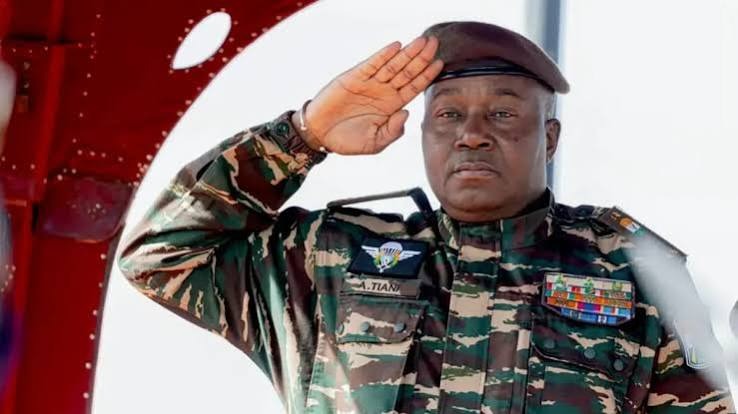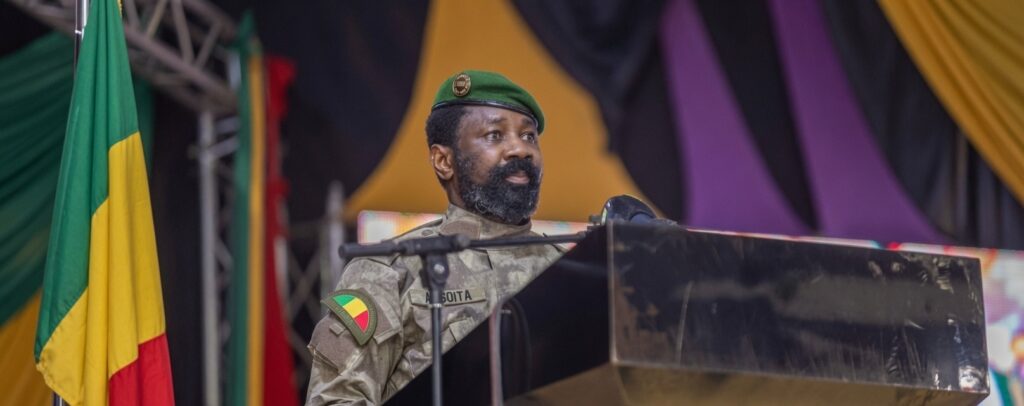
The embattled military leadership in Niger, facing severe financial strain and a deepening economic crisis, has escalated its confrontation with China’s top oil partner, the China National Petroleum Corporation (CNPC). In an unprecedented move, the Abdourahamane Tiani-led regime has issued a 45-day ultimatum, demanding over 3,000 billion West African CFA francs (approximately $5 billion) from the Chinese state-owned energy giant. The alleged rationale? Delayed repatriation of oil export revenues—a claim that analysts warn masks a calculated strategy to extract funds under the guise of financial redress.
Behind the Demand: A Desperate Bid to Plug a Raging Budget Hole
Niger’s public finances are in freefall. The country’s already fragile economy has been further strained by drastic budget cuts, including a reduction in the national budget from 3,033.33 billion to 2,749.55 billion CFA francs, coupled with runaway military expenditures. With traditional revenue streams collapsing, the junta appears to be deploying a high-risk tactic: targeting its largest foreign investor as a financial lifeline.
Astonishingly, Niamey claims that only 105 billion CFA francs in foreign exchange has flowed back to the country from the Agadem oil block over the past two years. Yet this narrative conveniently overlooks the complexity of financial arrangements—and the fact that Niger secured a $400 million loan from Beijing in 2024, repayable from petroleum earnings. Critics argue that this new demand is less about policy implementation and more about manufactured penalties to justify a financial heist.
A Seven-Point Shakedown: From Liquid Assets to Operational Control
The demands placed on CNPC extend far beyond a simple financial penalty. The junta has constructed a seven-pronged ultimatum designed to cripple the Chinese firm’s operations and assert total control over Niger’s oil sector:
- Cash injection mandate: Immediate and accelerated repatriation of funds to Niamey in CFA francs, under an unrealistic schedule.
- Forced localization quotas: Unprecedented local hiring requirements—up to 90% of staff—despite a lack of qualified personnel in the labor market.
- Pipeline takeover threats: A disputed review of the Niger-Benin pipeline (valued at $2.3 billion), with demands for unilateral tariff revisions.
- Raffinery power grab: Gradual eviction of Chinese management at the SORAZ refinery, replacing them with regime-appointed officials.
- Reserve revaluation pressure: A demand to reassess the Agadem oil field’s reserves upward, to inflate taxable revenue shares.
- Hostage investments: Forced injection of an additional $1 billion into exploration projects (such as Dinga Deep and Abolo-Yogou), with no guarantee of returns.
- Administrative infiltration: Placement of government-approved officials within CNPC’s decision-making bodies.
From Intimidation to Isolation: The High Stakes of Economic Sabotage
This isn’t the first time Niamey has targeted Chinese interests. Earlier in 2025, a wave of sudden expulsions of Chinese executives within 48 hours signaled a broader campaign of pressure. Now, by directly threatening its top foreign investor, the junta risks crossing a red line—one that could trigger the withdrawal of Chinese capital and technical support.
Economists warn that the fallout from this ultimatum could be catastrophic. With Niamey already isolated on the global stage, the loss of China’s economic lifeline would deepen its fiscal paralysis and accelerate capital flight. The regime’s aggressive posture may secure short-term funds, but at the cost of long-term stability, credibility, and foreign investment—leaving Niger in a cycle of deeper poverty and diplomatic isolation.
What Comes Next? The Clock is Ticking
As the 45-day deadline looms, the global energy and investment community watches closely. Will the CNPC comply with the junta’s demands under duress? Or will this bold financial maneuver backfire, turning Niger into an even riskier destination for foreign investors? One thing is clear: Niamey’s gamble is a dangerous escalation—one that could redefine the country’s economic future and its place on the world stage.