From emergency spending to persistent insecurity
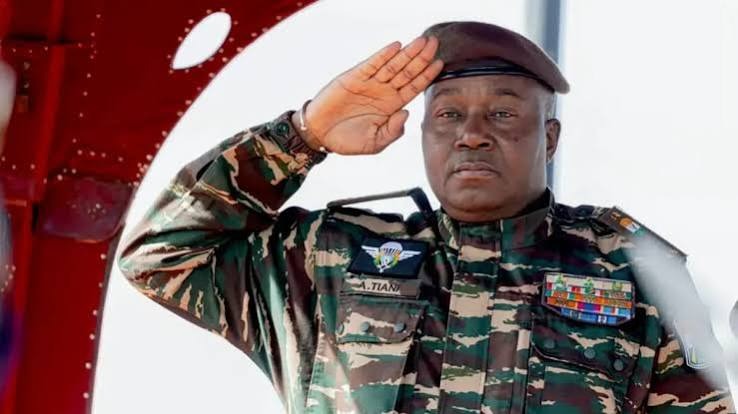
Despite economic headwinds and regional instability, Niger has doubled down on its military spending—pouring billions into defense year after year. But with each new appropriation, a critical question lingers: is this financial surge truly strengthening security for citizens, or is it masking deeper systemic failures?
A spending surge with uncertain dividends
The 2024 defense and security budget topped 960 billion CFA francs, with military expenditures alone projected to stabilize between $435 and $464 million annually through 2026. That translates to roughly 2.2% of GDP—an unprecedented allocation for a nation where public resources are already stretched thin. Add to that the Fonds de Solidarité pour la Sauvegarde de la Patrie (FSSP), which alone mobilized over 58.8 billion CFA francs to directly fund military hardware, including drones, armored vehicles, and aerial support systems. In August 2026, an additional 58.3 billion CFA francs were injected into defense, reinforcing the trend of escalating security financing.
Yet behind these staggering figures lies a troubling lack of evidence. Despite the relentless increase in funds, measurable improvements in civilian safety and state presence across conflict zones remain elusive. Without transparent performance indicators, it is nearly impossible to assess whether this financial commitment is translating into tangible security outcomes.
Where are the real priorities?
The rapid militarization of public finances raises serious concerns about allocation efficiency. Heavy investments in advanced weaponry and armored units may not align with the asymmetric threats faced by rural communities. Instead of ensuring a coherent, long-term security strategy, the current approach often feels reactive—prioritizing immediate operational needs over sustainable stabilization efforts.
Key gaps persist:
- Operational relevance: Are high-cost acquisitions like drones and tanks effective in combating insurgencies that thrive in remote, rugged terrain?
- Resource distribution: Is spending guided by a strategic, needs-based plan, or does it respond to crises in a piecemeal fashion?
- Civilian protection: Do these funds help restore government services and administration in areas under militia control, or is the state still absent from the most vulnerable regions?
Civilians pay the price of unbalanced priorities
Niger’s defense surge doesn’t occur in a vacuum. It directly competes with essential social services that sustain communities and reduce vulnerability to extremism. The 2025 budget revision—a 10% cut to 2,749.55 billion CFA francs—highlights the brutal trade-offs being made. Health, education, and infrastructure are being squeezed to fund a military budget that already gobbles up a disproportionate share of fiscal space.
This imbalance has consequences. Schools remain closed in high-risk zones. Health clinics lack staff and supplies. Roads are impassable due to insecurity. These conditions don’t just erode public trust—they actively fuel recruitment into armed groups. In this environment, pouring more money into the military without addressing civil deficits may only deepen the cycle of instability.
Transparency as a path forward
The absence of accountability around these funds is no longer defensible. National security cannot justify a lack of rigor in financial oversight. There is no contradiction between safeguarding military operations and implementing parliamentary oversight, independent audits, or publishing consolidated expenditure reports. These measures can coexist with operational confidentiality—if the political will exists.
Citizens deserve more than assurances and announcements. They need proof. Proof that increased spending leads to safer roads, functional schools, and a government visibly present in liberated areas. Without this, defense budgets risk becoming a financial black hole—consuming more and more resources without delivering lasting security.
Beyond budgets: measuring real impact
Niger’s defense outlays are no longer just large—they are unsustainable without results. The time has come to shift the debate from how much is spent to what is achieved. Concrete, time-bound objectives must be set: reopening closed schools, re-establishing state services, securing key transit routes, and documenting reductions in civilian casualties and displacement.
Only then can Niger demonstrate whether its historic military investment is truly serving its people—or merely deepening a cycle of spending and insecurity that benefits no one.