Fresh violence erupts in Miski as gold rush fuels distrust between troops and local defenders
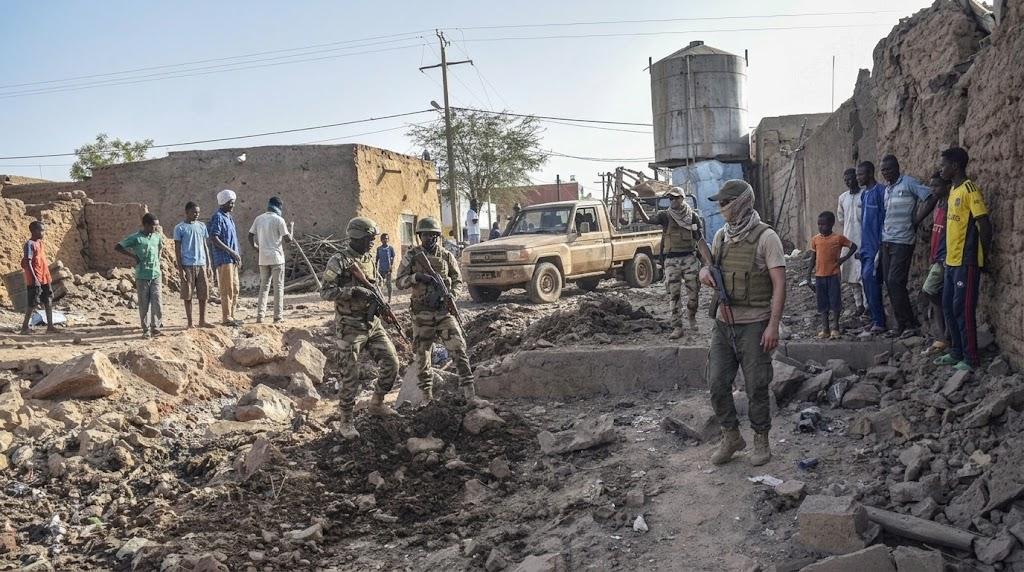
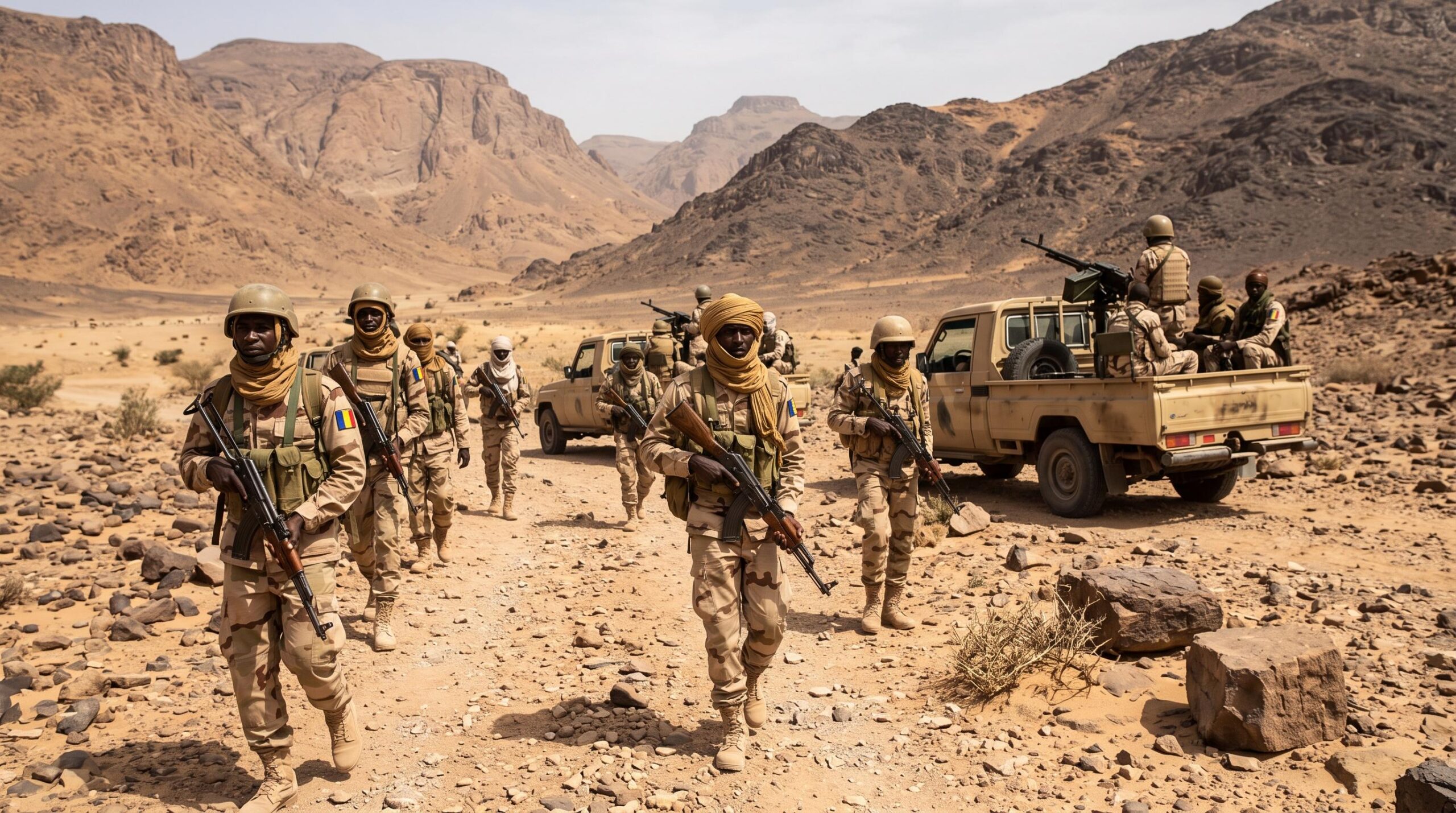
MISKI, Chad — A sudden gunfight that flared late Wednesday has left two soldiers dead and nine security personnel injured, throwing the fragile calm of northern Chad’s Tibesti region into further turmoil. The firefight, which local officials say began around 5 p.m. in the Awa gold-mining belt, comes barely a year after a landmark peace accord aimed at easing tensions between the central government and armed self-defence groups.
The incident has set off a harsh exchange of accusations, with the military blaming local defence committees for what it calls an unprovoked assault on state forces. In a sharply worded statement, the army warned that any refusal to hand in weapons would be treated as rebellion, raising the stakes for a community already on tenterhooks.
Gold fever and deeper rifts: what ignited the latest clash?
Witness accounts and unofficial notes paint a murky picture of how the dispute spiralled out of control. While military spokespeople insist the attack was deliberate and pre-planned, local representatives argue that a heavy-weapon volley the day before had already triggered outrage and pushed residents toward confrontation. What is certain is that the Tibesti’s artisanal gold pits sit at the heart of a widening schism—one that pits the government’s drive to control mineral wealth against the enduring resentment of communities that feel sidelined by the peace process.
Peace deal hangs by a thread amid clashing narratives
Signed in April 2025, the pact was hailed as a breakthrough that would end years of bloodletting in the Tibesti. It pledged joint patrols, economic incentives for local miners, and guarantees that self-defence units would be integrated into national security structures. Yet barely six months later, both sides now accuse the other of violating the same agreement.
Local defence leaders insist they have scrupulously followed the April 2025 accord and a follow-up pledge made during a high-level government mission in October 2026. Military officials, however, counter that the groups have systematically overstepped their mandate, pointing to what they describe as illegal mining and interference with state operations.
The deadlock has left mediators scrambling for a way out, with no independent inquiry yet in sight to establish a neutral account of events. Until then, the risk of further skirmishes looms large over a region where trust is already paper-thin.
What next for Miski and the wider Tibesti?
Residents and analysts alike warn that the latest bloodshed could be just the opening salvo. With no civilian casualties confirmed so far, the immediate priority is to prevent a cycle of reprisals that might engulf nearby villages. Analysts fear that if the current trajectory holds, the mining economy—already struggling under sanctions and smuggling pressures—could face irreversible damage, leaving thousands without livelihoods.
Signs of hope—or further flashpoints?
Despite the bleak outlook, faint signals suggest a possible off-ramp. Community leaders have renewed calls for the government to speed up promised economic projects, while some factions within the self-defence ranks have signalled openness to renewed talks. Yet any path forward will require de-escalation on the ground, a transparent fact-finding process, and a willingness to revisit the peace deal before mistrust hardens into permanent hostility.
Local voices weigh in: fear, anger, and fragile expectations
- Village elder: “We signed the peace because we believed in dialogue. Now our sons are dying over a patch of dirt that should bring wealth, not bullets.”
- Gold panner: “The Brigade comes with guns, not jobs. How can we believe in peace when every day brings new threats?”
- Regional analyst: “Without urgent mediation, the Tibesti could once again become the Sahel’s next forgotten war.”
For now, Miski remains a powder keg. The coming days will reveal whether Chad’s fragile peace can survive—or whether yet another chapter of conflict is about to unfold.
No independent observers have yet verified casualty figures or the exact sequence of events.