Ivory Coast’s electoral reform sparks nationwide debate on trust and governance
The government of Côte d’Ivoire has formally submitted a groundbreaking proposal to establish a new electoral body, igniting intense public reactions and sparking a national conversation about the future of democratic processes in the country. Opposition figures, civil society organizations, and citizens alike are weighing in on the implications of this reform, raising questions about its potential to restore or further erode public trust in elections.
Government pushes forward with electoral body reform amid scrutiny
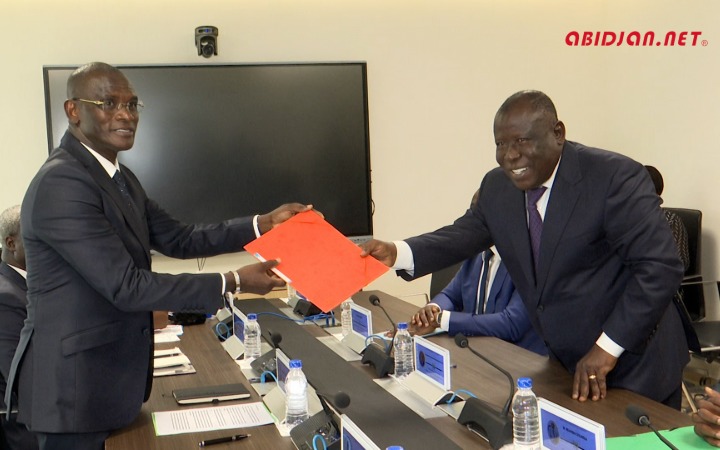
The ruling Rassemblement des Houphouëtistes pour la Démocratie et la Paix (RHDP) has handed over its detailed proposals for a new electoral institution to the Minister of the Interior, marking a significant step in the government’s agenda. While supporters of the reform argue that it will enhance transparency and fairness, critics are calling for caution, warning that the timing and structure of the new body could deepen political divisions.
Key concerns include the autonomy of the proposed electoral body from political interference and the inclusion of opposition voices in its governance. Analysts suggest that without broad consensus, the reform could face resistance that undermines its legitimacy.
Public reactions reveal divided opinions on electoral trust
The announcement has triggered a wave of reactions across the country. Political leaders, journalists, and citizens have taken to social media and public forums to voice their perspectives:
- Supporters of the reform highlight the need for modernizing electoral processes, citing allegations of past irregularities as justification for change. They emphasize that a revamped electoral body could improve voter confidence and ensure free and fair elections in future cycles.
- Critics argue that the government’s initiative is a strategic move to consolidate power, pointing to the absence of opposition input in the drafting of the proposals. Some warn that the reform could exacerbate existing tensions and fuel political instability.
- Civil society leaders have called for an inclusive dialogue, urging the government to engage with all stakeholders to address concerns about the new body’s composition and mandate. They stress that transparency in the selection of its leadership will be crucial to its success.
What comes next: Navigating the path forward
The government has signaled its commitment to moving forward with the reform, but the road ahead remains uncertain. Several critical steps are expected in the coming weeks:
- A parliamentary review of the draft legislation establishing the new electoral body, where opposition lawmakers are expected to push for amendments to ensure greater inclusivity.
- Consultations with international partners and election observers to assess the proposal’s compliance with democratic standards and to secure support for its implementation.
- Public awareness campaigns to educate voters about the changes and address misconceptions about the new electoral system.
The coming months will be pivotal in determining whether this reform strengthens Ivory Coast’s democratic framework or becomes another source of contention in an already polarized political landscape. All eyes are now on the government’s next moves and the public’s evolving response.
Firsthand insights: Voices from the debate
In Abidjan, conversations among citizens, activists, and political observers reflect the deep divisions over the reform. While some express cautious optimism about the potential for positive change, others remain skeptical, citing historical grievances and a lack of trust in the current administration. The debate underscores the challenges of implementing electoral reforms in a climate of political uncertainty and entrenched mistrust.
International implications: A test for regional stability
The outcome of this reform could have broader implications for West Africa, where electoral integrity remains a contentious issue. Ivory Coast, often seen as a stabilizing force in the region, is under scrutiny to demonstrate that its democratic institutions can adapt and improve. A successful implementation of the new electoral body could set a precedent for neighboring countries, while a flawed process could fuel doubts about the region’s governance models.