What sets Benin apart in West Africa’s economic landscape
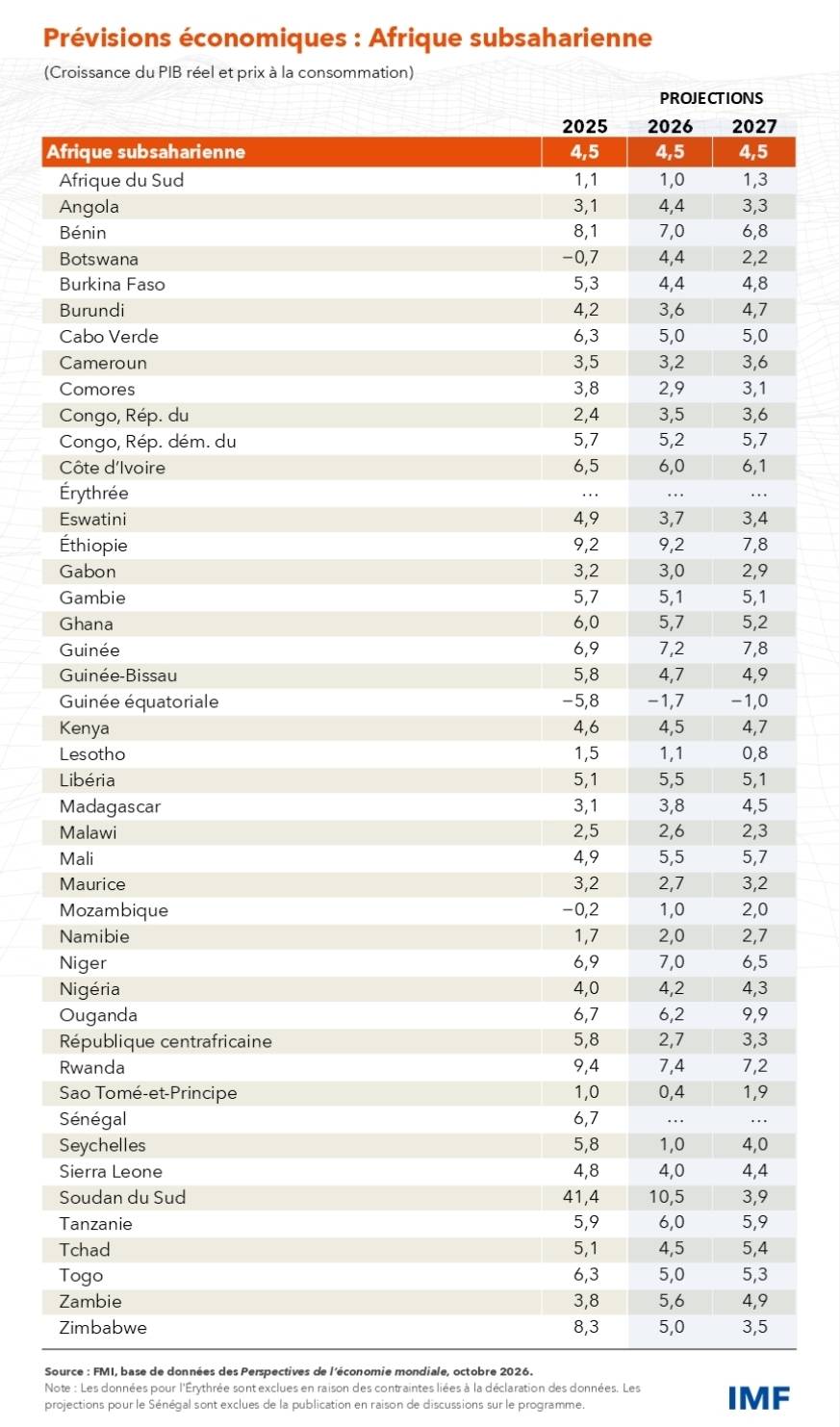
The West African nation of Benin is emerging as a standout performer, with economic growth projections of 7% for 2026 and 6.8% for 2027, according to the latest International Monetary Fund (IMF) forecasts. These figures significantly outpace the projected 4.5% average growth for Sub-Saharan Africa, drawing global attention to the country’s exceptional trajectory.
Regional comparisons highlight Benin’s unique position
While many African economies struggle to gain momentum, Benin’s sustained growth—following an impressive 8.1% expansion in 2025—positions it as the continent’s third-fastest-growing economy. Unlike its neighbors, which post more modest gains, Benin is the sole West African representative in this elite group, a distinction that has intensified discussions about its economic strategies.
Public reaction and skepticism over long-term impact
The IMF’s glowing projections have sparked a mix of admiration and scrutiny among policymakers, economists, and citizens. While the numbers reflect undeniable progress, many question whether this growth will translate into tangible improvements for ordinary citizens. Concerns center on job creation quality, income disparities, and the ability to sustain momentum amid global economic turbulence.
Debate over the sources of growth
Development experts point to several factors behind Benin’s economic surge: targeted infrastructure investments, diversification efforts beyond traditional sectors like agriculture, and a push for industrialization. However, critics argue that the benefits have yet to reach all segments of society, particularly youth and rural populations. The sustainability of these growth drivers remains a hotly debated topic.
Challenges ahead: turning numbers into real change
Even with robust growth, Benin faces critical challenges to ensure that economic expansion benefits more than just headline statistics. Key priorities include:
- Creating high-quality employment opportunities to absorb the growing labor force
- Addressing structural inequalities that hinder equitable development
- Strengthening private sector participation to drive innovation and productivity
- Ensuring fiscal policies support long-term stability and public service improvements
Can Benin’s model be replicated across West Africa?
The country’s success has prompted regional leaders to examine its approach, though experts caution against blindly copying policies. Instead, they advocate studying Benin’s investments in infrastructure, education, and economic diversification as potential guidelines for other nations. The focus remains on adaptability and context-specific solutions rather than one-size-fits-all models.
Investor confidence vs. social equity
Benin’s economic performance has bolstered its reputation among international investors, positioning it as a stable and attractive destination for capital. Yet, achieving the delicate balance between attracting foreign investment and ensuring domestic prosperity remains a pressing challenge. The government faces pressure to prove that macroeconomic success can coexist with meaningful social progress.
What comes next for Benin’s economic journey
As global economic conditions remain uncertain, Benin’s policymakers must navigate a complex landscape. Their next moves will determine whether the country’s growth remains a fleeting achievement or evolves into a sustainable transformation. The coming years will test the resilience of Benin’s economic model and its ability to turn projections into lasting prosperity for all citizens.