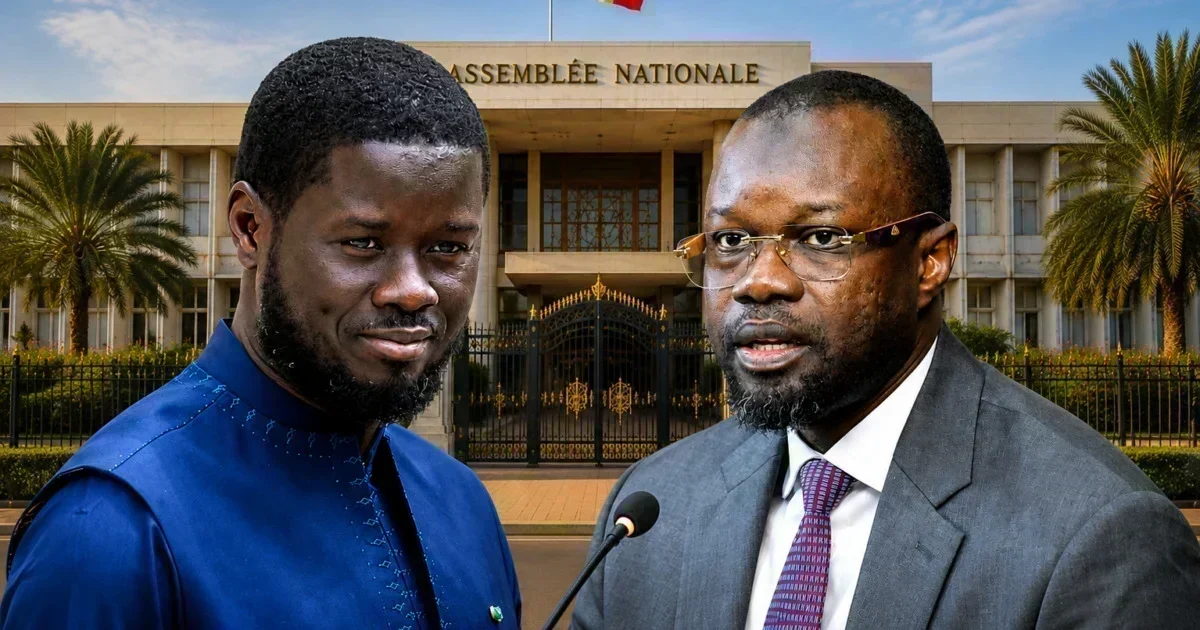
The refusal of senior presidential advisor Demba Dieng to appear before Senegal’s parliamentary inquiry commission has escalated tensions between the executive and legislative branches, raising urgent questions about the state’s response to institutional scrutiny. The decision, disclosed in an October 15 statement, signals a deepening rift as six unnamed ministers—active and former—also reportedly declined their convocations, according to former Higher Education Minister Daouda Ngom.
An Unwritten Rule? The Debate Over Executive Privilege in Senegal
Demba Dieng, former Director of the Land Registry and advisor to President Bassirou Diomaye Faye, cited no specific reason for her non-compliance, while two former military intelligence officers invoked their military status. Political observers suggest an emerging convention: when presidential aides are summoned, explicit authorization from the head of state may be required. However, this alleged protocol remains unconfirmed, and the presidency has issued no statement clarifying the matter.
Is this a coordinated strategy to obstruct the inquiry, or a series of individual decisions? The ambiguity fuels speculation. If an instruction was indeed issued, its scope could extend beyond Dieng to include cabinet members—though no evidence currently supports this. The uncertainty deepens the crisis, with the public left to decipher the motives behind each refusal.
Breaking Down the Opposition’s Growing Defiance
The Ministers Who Remain Silent
Daouda Ngom, former Minister of Higher Education and Scientific Research, confirmed his intention to appear before the commission. His statement, however, revealed that six current and former ministers had declined their invitations. The commission neither confirmed nor denied this claim, and the identities of the ministers involved remain undisclosed.
This pattern of resistance suggests a broader reluctance among high-ranking officials to engage with the parliamentary process. While the inquiry seeks clarity on land management issues, the refusal to cooperate risks undermining the commission’s mandate. With each defection, the political temperature rises, and the Assembly’s ability to enforce accountability hangs in the balance.
A Commission Unfazed, But Public Trust Hangs in the Balance
The parliamentary panel has vowed to proceed with its investigations, emphasizing that each summoned individual is presumed innocent until proven otherwise. Yet, the refusal to testify complicates matters. Without clarity on the motivations behind the refusals—or the identities of those involved—public skepticism grows. Will the commission’s conclusions carry weight if key players remain absent? The coming days will reveal whether defiance spreads or if the Assembly finds a way to assert its authority.
What’s Next? Scenarios Unfolding in Senegal’s Political Crisis
The standoff between the executive and legislative branches raises critical questions about Senegal’s democratic resilience. Possible outcomes include:
- Scenario One: The Assembly imposes legal measures to compel compliance, testing the boundaries of institutional power.
- Scenario Two: The presidency issues a formal directive endorsing the refusal, framing it as a defense of executive prerogative.
- Scenario Three: The inquiry stalls, eroding public confidence in transparency and leaving unresolved questions hanging in the air.
The trajectory of this crisis will hinge on the Assembly’s next moves—and whether other officials choose to join the resistance or break ranks. One thing is certain: Senegal’s political landscape is at a crossroads, and the fallout from this standoff will resonate far beyond the halls of power.