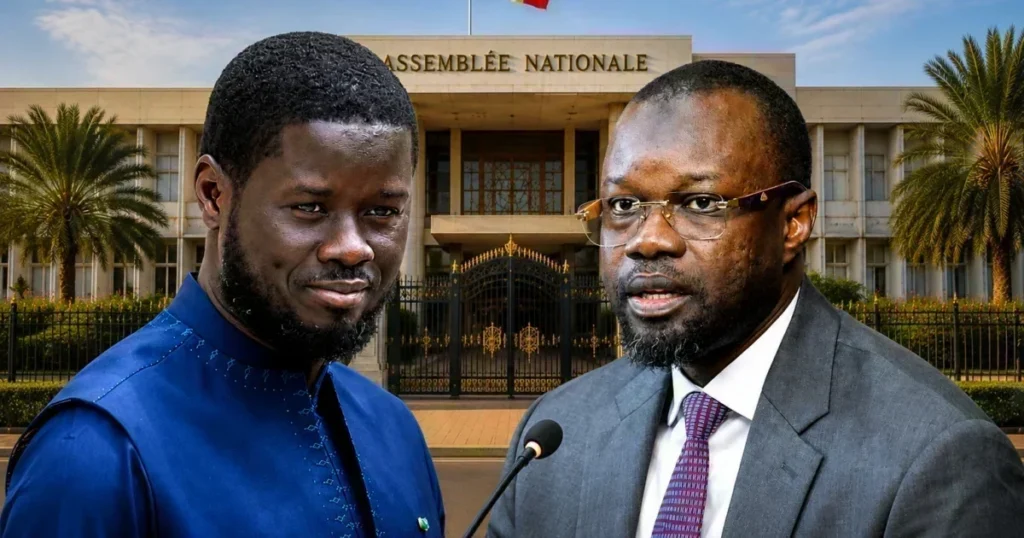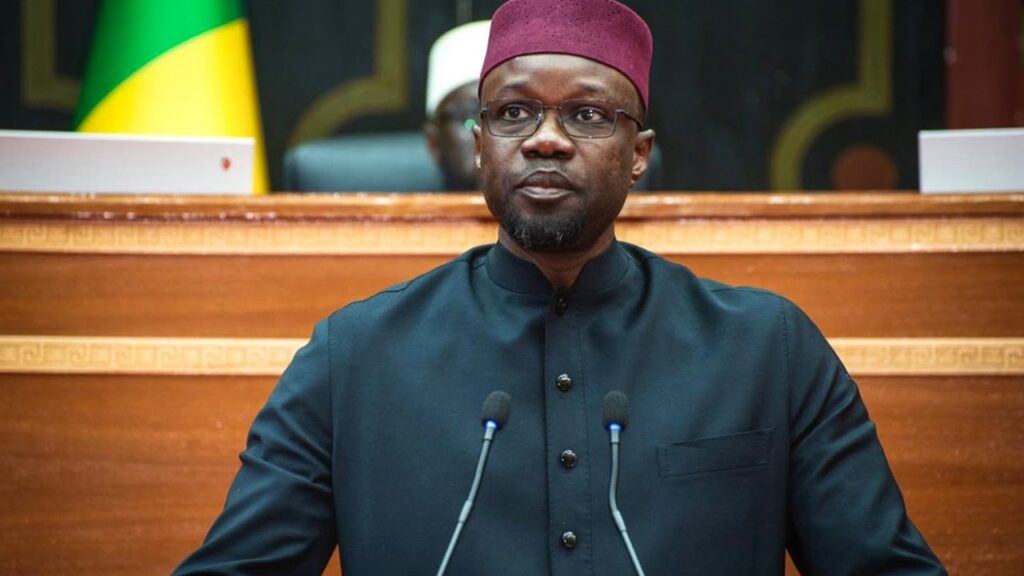
The discourse surrounding asset declarations has gained renewed prominence across Senegal, with Khalifa Sall positioning himself as a leading advocate for greater openness. The former mayor of Dakar and a prominent figure within Taxawu Sénégal, has publicly voiced his support for making the financial disclosures of high-ranking state officials accessible to the general public. This stance emerges amidst a political climate shaped by the new administration’s fervent calls for transparency, a key promise following the March 2024 presidential elections, marking a significant moment in West Africa news.
Khalifa Sall backs public disclosure of asset declarations
The former head of Dakar’s city administration has unequivocally endorsed the public release of asset declarations from public leaders. For Sall, the financial transparency of elected officials and senior civil servants transcends mere legal obligation; it forms a cornerstone of trust between those who govern and the citizenry. The leader of Taxawu Sénégal firmly believes that publishing these documents would contribute substantially to purifying public life and preempting suspicions of illicit enrichment, which frequently plague the political class, impacting African politics.
This pronouncement is far from inconsequential. Khalifa Sall, a long-standing opponent of the previous Macky Sall regime, now aligns himself with a core principle championed by the current government, led by President Bassirou Diomaye Faye and Prime Minister Ousmane Sonko. Accountability has been a central pillar of their political agenda. By joining the chorus for enhanced transparency, the former Dakar mayor avoids appearing out of step with the widespread public aspiration for greater integrity in public affairs.
An existing legal framework, rarely enforced publicly
The concept of asset declaration is not new to Senegal’s institutional framework. A 2014 law mandates a specific roster of public officials, including the Head of State, to submit their declarations to the National Office for the Fight Against Fraud and Corruption (OFNAC). The President of the Republic, in particular, is required to do so at both the beginning and end of their term. However, in practice, these critical documents have historically remained confidential, shielded from public scrutiny.
It is precisely this veil of confidentiality that the ongoing debate seeks to challenge. Numerous voices, emanating from civil society and the political arena alike, are advocating for a shift towards a system of public disclosure, mirroring practices in various European and Latin American democracies. The fundamental issue, therefore, is no longer merely the act of filing, but rather ensuring public access to this vital information, which is essential for effective citizen oversight.
A paramount political and institutional challenge
Beyond Khalifa Sall’s individual position, each political actor’s stance on this matter is becoming a defining characteristic. President Bassirou Diomaye Faye himself publicly disclosed his asset declaration shortly after his inauguration in April 2024, a move widely lauded as a symbolic break from past practices. Since then, pressure has intensified on other officials—ministers, parliamentarians, heads of institutions, and general directors—to follow suit, a key development in pan-African news.
The alignment of opposition figures or former political stalwarts with this demand for publicity could reshape the political landscape. By publicly supporting the principle, Khalifa Sall adopts a posture of responsibility, while simultaneously preserving his freedom to critique how the administration implements its transparency agenda. This dual approach is characteristic of an experienced opposition leader who seeks to avoid being confined to a purely confrontational role.
Nonetheless, the concrete implementation of these intentions will depend on the legislative calendar. A reform of the 2014 law, or the enactment of new legislation mandating the public disclosure of declarations, necessitates parliamentary consensus. The Pastef majority, strengthened by the anticipated legislative elections in November 2024, is well-positioned to champion such a reform. The question remains how far the government will push this logic, and under what conditions other political formations will agree to participate fully in this comprehensive transparency initiative, impacting the African economy today and future governance.