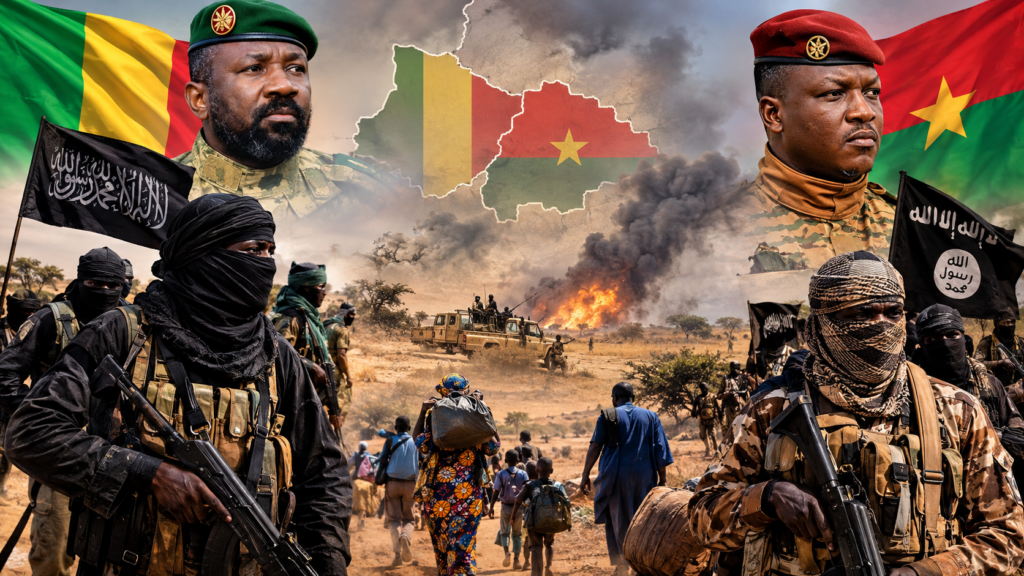
The strategic realignment of Sahelian insurgent factions is sparking intense geopolitical debate as Mali’s military gains momentum on the battlefield. The Front de Libération de l’Azawad (FLA) — long entrenched in the northern stronghold of Kidal — has abruptly shifted its alliances toward eastern Libya and the United Arab Emirates, raising alarms among regional powers. With Bamako’s forces consolidating control over key territories, the insurgency’s survival now hinges on external patronage, reshaping the power dynamics across the Sahara.
Military reversal in Kidal forces insurgents into diplomatic isolation
October 2026 marked a decisive moment in Mali’s decade-long conflict when government forces reoccupied Kidal without a single shot fired. The FLA’s withdrawal, framed as a tactical retreat to preserve manpower and equipment, underscored the militant group’s strategic desperation. The loss of their northern bastion — once a symbol of Azawad separatism — has left the movement scrambling for new supply routes and alliances beyond Mali’s borders.
Analysts describe the insurgents’ pivot as a direct response to the collapse of the 2015 Algiers Peace Accord, which Bamako has formally abandoned. With no sanctuaries left in Mali, the FLA has turned to unconventional backers in a bid to sustain its armed campaign. The question now is whether these foreign alliances can compensate for the group’s territorial losses on the ground.
Libyan links and UAE overtures: a desperate bid for survival?
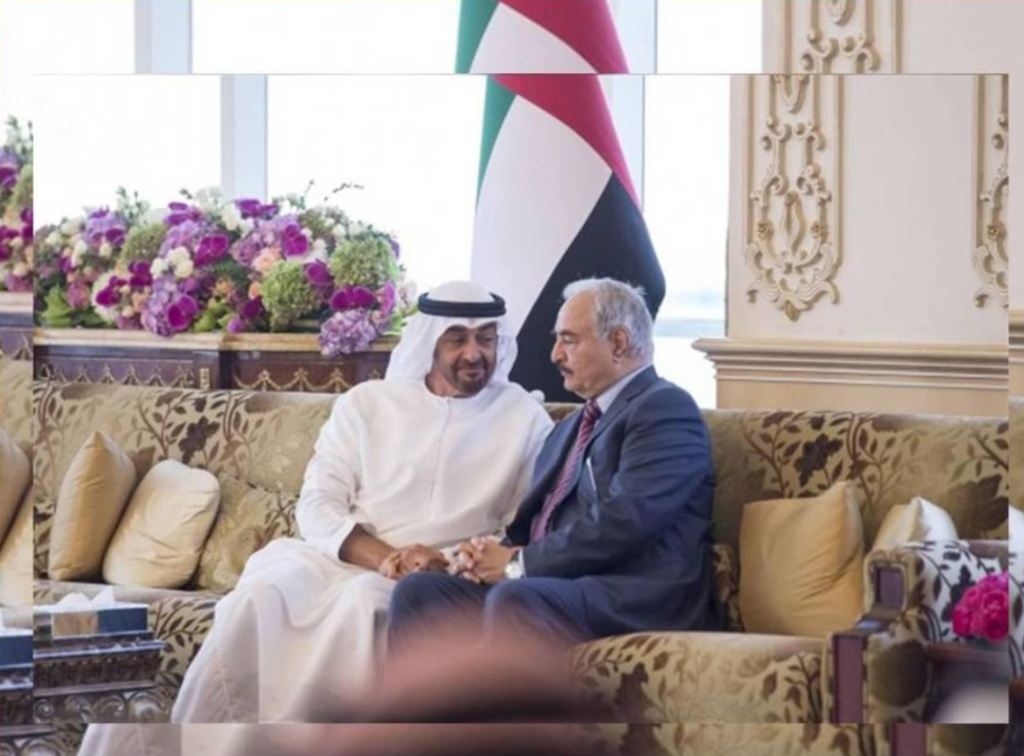
Reports indicate that FLA representatives traveled to Benghazi to meet with key figures in eastern Libya’s security apparatus, including Saddam Haftar, son of Libyan National Army leader Khalifa Haftar. While no immediate arms transfers have been confirmed, the outreach signals a clear intent to establish a trans-Saharan logistics corridor. The proximity of Libya’s unstable eastern provinces offers insurgents a potential lifeline — provided they can navigate the region’s factional rivalries.
Simultaneously, the UAE has emerged as another potential patron for the FLA. Abu Dhabi’s expanding footprint across the Sahel-Sahara belt — from the Horn of Africa to the Sahara’s southern fringes — has long fueled speculation about its growing influence. For Mali’s insurgents, an alliance with the Emirates could provide much-needed financial resources and military hardware. However, such a move risks escalating tensions with Algeria, which views any foreign interference along its southern border as a direct threat to its national security.
Algeria’s counter-move: forging a new security axis with Bamako and Niamey
In response to the shifting alliances, Algeria has launched a diplomatic offensive aimed at isolating the FLA’s foreign backers. By resetting relations with Mali’s transitional government and deepening cooperation with Niger, Algiers seeks to strengthen its role as the Sahel’s stabilizing force. The renewed dialogue focuses on border security, counter-trafficking operations, and joint economic development — all designed to preempt external destabilization efforts.
The Algerian-Nigerien rapprochement has already yielded tangible results, including intensified cross-border patrols and joint development projects in Gao and Tahoua regions. For Niamey, this partnership offers a pragmatic alternative to the instability fueled by insurgent groups operating in northern Mali and Libya. Similarly, Bamako now sees Algeria as a critical partner in countering the FLA’s external support networks.
Will foreign alliances reshape Sahel’s fragile power balance?
The coming months will determine whether the FLA’s outreach to Libya and the UAE can translate into a sustainable lifeline. While the group’s fighters may gain access to new weapons and funding, the risks are substantial. Libya’s fractured security environment and the UAE’s strategic interests in the Sahel do not guarantee unconditional support. For regional governments, the race is on to close diplomatic loopholes before insurgent groups entrench themselves in new safe havens.
One thing is certain: the fallout from Kidal’s fall has set in motion a high-stakes game of chess across the Sahara. As Mali’s military tightens its grip on rebel-held territories, the insurgents’ survival may depend on the very powers they once spurned — or on the resilience of Algeria’s renewed alliances with its Sahelian neighbors.