Morocco’s new government sparks mixed reactions amid reshuffled priorities
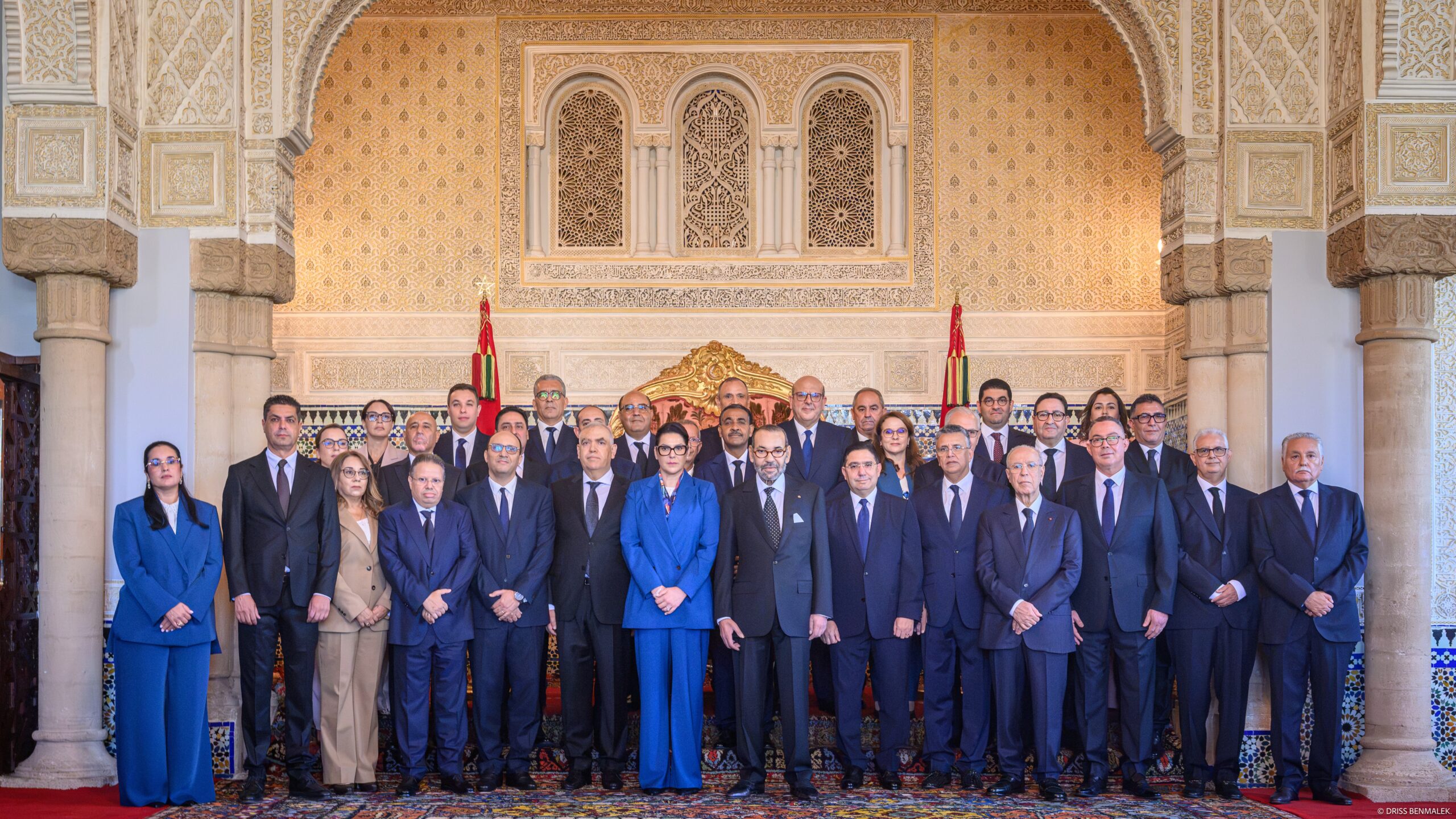
The unveiling of Morocco’s freshly appointed cabinet has ignited intense public debate, raising questions about the new executive’s capacity to navigate economic challenges and regional instability. On Friday, October 16, 2026, King Mohammed VI presided over the swearing-in ceremony at the Royal Palace in Rabat, marking the official transition to a reshuffled government structure.
What’s next for this administration? As citizens and analysts dissect the implications of the new appointments, early reactions underscore both cautious optimism and skepticism about the government’s ability to deliver on pressing domestic and economic concerns.
Public and political reactions to the new cabinet appointments
The composition of Morocco’s newly formed government has become a hotbed of discussion in political and economic circles. While some view the reshuffle as a strategic move to refresh leadership, others question whether the new team can address long-standing structural issues.
Political analysts highlight a divided reception to the cabinet’s makeup:
- Business leaders cautiously welcome the continuity of key economic portfolios but express concern over the pace of reform in critical sectors like energy and infrastructure.
- Civil society groups call for greater transparency in how priorities are set, particularly regarding social welfare programs and youth unemployment.
- Opposition figures remain skeptical, suggesting the reshuffle is more about political optics than substantive change.
Meanwhile, social media platforms are abuzz with debates on the new ministers’ profiles, some praising the inclusion of technocrats while others criticize the limited representation of certain regions and demographics.
Economic implications: Will the new government rise to the challenge?
The renewed cabinet faces immediate economic pressures, including inflation, trade imbalances, and the need for foreign investment. Morocco’s tourism sector, recovering from recent disruptions, remains a vital focus, as does the acceleration of renewable energy projects.
Key economic indicators to watch:
- GDP growth projections for 2027 will hinge on the government’s ability to implement structural reforms.
- Foreign direct investment (FDI) is expected to react to the new leadership’s policy direction, particularly in green energy and digital transformation.
- Public debt management remains a critical issue, with calls for a more balanced fiscal approach.
Observers note that while the government has signaled commitment to economic diversification, concrete policy rollouts will be the true test of its effectiveness.
Regional stability and Morocco’s diplomatic balancing act
Beyond domestic concerns, Morocco’s new administration must navigate a complex regional landscape. Tensions in neighboring countries, evolving alliances in the Maghreb, and shifting geopolitical dynamics in Africa all demand the government’s attention.
The cabinet’s stance on key diplomatic files, including relations with the European Union and partnerships in sub-Saharan Africa, will shape Morocco’s future standing on the continent.
Diplomatic experts suggest that strategic agility will be just as crucial as economic reforms in determining the new government’s success.
What lies ahead for Morocco’s government?
The coming months will reveal whether the reshuffle translates into tangible progress or remains largely symbolic. Public anticipation is high, but so are the risks of unmet expectations.
The government’s next steps will likely include:
- Announcing detailed action plans for economic recovery and social development.
- Engaging in broader consultations with civil society, unions, and private sector stakeholders.
- Demonstrating early results in key sectors to rebuild public confidence.
As Morocco watches its new leaders take the helm, one thing is clear: the margin for error is slim. The public debate is far from over, and the government’s ability to deliver will define its legacy.