How Beijing’s mining investments are reshaping Gabon’s industrial landscape
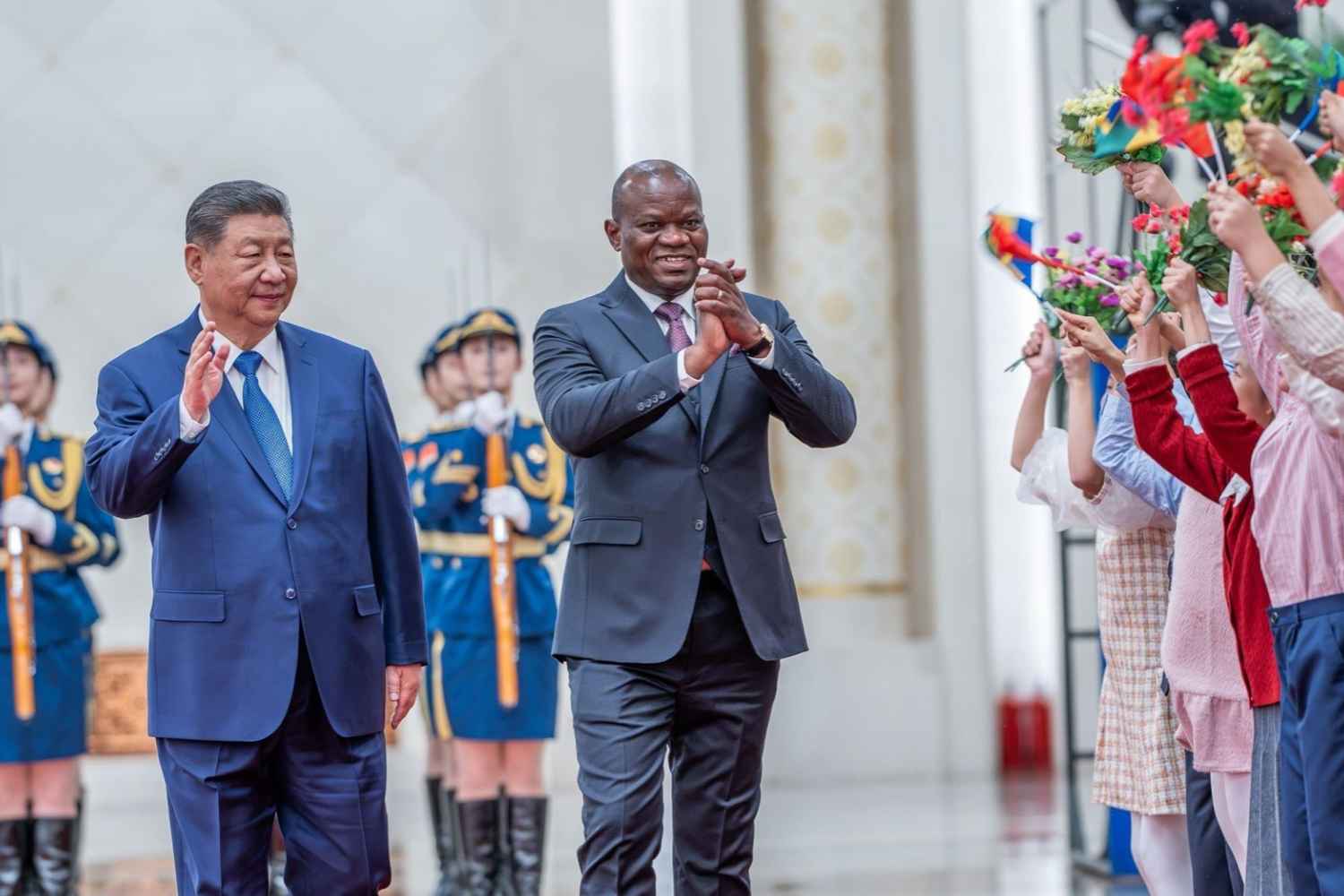
The recent state visit of Gabonese President Brice Clotaire Oligui Nguema to Beijing wasn’t merely diplomatic theater—it represented a calculated pivot in Libreville’s long-term economic strategy. Behind the joint declarations lies a deliberate push to move beyond raw mineral exports in favor of localized processing and value creation, a move analysts suggest reflects both domestic pressures and shifting global demand patterns.
The manganese revolution: converting ore into economic leverage
At the heart of this transformation lies a $198 million agreement with South Manganese Investment to construct a mineral processing facility in M’Bembélé. Scheduled to launch with an annual capacity of 180,000 tons, the project aims to scale to one million tons by 2030—a scale that would position Gabon as a regional hub for manganese derivatives rather than merely an exporter of unrefined ore.
But this isn’t an isolated initiative. The momentum builds on existing Chinese-controlled operations through CICMHZ, while parallel deals with Zhongning Mining Company ($260M for iron ore at Mount Mbilan) and Shanghai Milestone Technology ($100M for low-grade iron and manganese) underscore Beijing’s confidence in Gabon’s mineral potential. Behind these figures lies a broader calculation: reducing reliance on foreign smelting capacity while leveraging China’s insatiable demand for critical metals.
Why infrastructure is becoming the silent game-changer
The math becomes compelling only when coupled with transport and energy infrastructure. The rail and power framework surrounding the Belinga iron mine—containing over a billion tons of high-grade ore—isn’t just about moving earth. It’s about creating a vertically integrated corridor where raw materials move seamlessly from pit to processing plant to export hub, with Gabonese authorities explicitly proposing a joint venture to produce steel on-site. Such a model would shift the country from selling ore to exporting finished products, capturing far greater value per ton.
Digitization enters the equation: Beijing’s triple play
Challenges in logistics and processing often stem from outdated systems. China has addressed this through three new partnerships with Huawei, covering: (1) AI-driven public safety systems to streamline port operations and crime monitoring, (2) digital upgrades for public universities to produce a tech-savvy workforce aligned with industrial needs, and (3) full ICT modernization of the Brice Clotaire Oligui Nguema International University. These moves suggest Beijing views Gabon not just as a resource pool but as a testbed for digital governance and education reform.
What this means for Gabon’s economy—and its people
The road ahead carries risks: over-reliance on a single foreign investor, environmental concerns around large-scale mining, and questions over whether local employment gains will match capital inflows. Yet early signs point to proactive measures—local content clauses, skills transfer requirements, and staggered timeline benchmarks—that aim to ensure the benefits aren’t confined to balance sheets in Beijing or Libreville’s ministries. Behind the headline figures of billion-dollar deals lies a gamble on whether Gabon can convert geological wealth into sustainable industrial competitiveness.