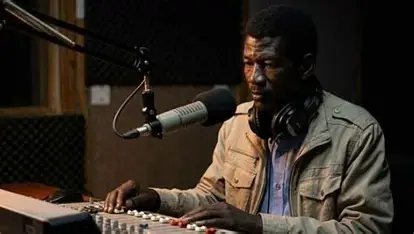
The detention of prominent Nigerien journalist Moussa Kaka has escalated into a flashpoint for international concern, raising urgent questions about the state of press freedom and human rights under the military administration of General Abdourahamane Tiani.
Kaka’s sudden disappearance on August 31, 2026, following his exit from media offices, touched off immediate speculation about his whereabouts. While authorities later confirmed his custody on October 6, the revelation did little to quell alarm about the circumstances surrounding his detention or the legal grounds for his continued imprisonment.
Demands for transparency intensify amid mounting controversy
The case has thrust into sharp relief fundamental issues regarding the treatment of dissenting voices in Niger’s political landscape. Observers point to a pattern of concerning developments that collectively undermine the principle that criticism of governance should never constitute a criminal act.
International legal standards require that any deprivation of liberty be accompanied by clear legal justification, access to legal counsel, notification of family members, and timely presentation before a judicial authority. Kaka’s detention, as currently described, appears to fall short of these requirements, fueling accusations of arbitrary confinement.
When journalistic inquiry becomes a personal risk
The situation surrounding Kaka’s case cannot be viewed in isolation from the broader climate of repression affecting Niger’s media landscape. Journalists and civil society voices increasingly report heightened risks when investigating sensitive topics, particularly those involving alleged corruption or maladministration within state institutions.
Freedom of expression forms the bedrock of democratic governance. When professional scrutiny is met with punitive measures rather than constructive engagement, the entire nation suffers from diminished transparency and weakened institutional accountability. The suggestion that legitimate journalistic inquiry might constitute a threat to national security represents a dangerous inversion of priorities.
Legal obligations versus political convenience
Questions persist regarding whether Kaka’s detention serves legitimate judicial purposes or functions primarily as a mechanism for silencing unwelcome scrutiny. The military regime’s invocation of national sovereignty cannot justify fundamental departures from constitutional protections and international human rights commitments.
An administration that prioritizes control over accountability ultimately undermines its own legitimacy. The Tiani government faces mounting pressure to demonstrate that its actions conform to legal standards rather than political convenience, particularly when those actions involve curtailing the freedoms of its citizens.
What happens next for Niger’s press freedom?
The outcome of Kaka’s case may well determine the trajectory of press freedom in Niger for years to come. His continued detention without transparent legal justification threatens to normalize the suppression of critical voices while deterring future investigations into matters of public importance.
Should authorities fail to present credible charges or allow for proper judicial review, the international community is likely to intensify condemnation of Niger’s human rights record. Conversely, a swift and legally sound resolution could signal a willingness to restore balance between security concerns and fundamental freedoms.
Restoring balance in Niger’s public discourse
The Nigerien people deserve institutions capable of withstanding scrutiny without resorting to repression. A robust democracy requires not only the absence of state-imposed censorship but also the presence of genuine mechanisms for accountability.
The case of Moussa Kaka represents more than an individual tragedy; it stands as a test of whether Niger will embrace the challenging but necessary path of transparent governance. His immediate release remains the only measure sufficient to begin repairing the damage inflicted on the nation’s democratic fabric.
The freedom to question authority isn’t a threat to stability it is the very foundation of legitimate governance. Any regime that cannot tolerate scrutiny has forfeited its claim to moral authority.
By Aïcha Abdou — Journalist