The revocation of Leduc Sénégal’s concession at the Port of Bargny is more than a contract termination—it’s a strategic reset with deep implications for Senegal’s infrastructure ambitions. Authorities have imposed a penalty exceeding 4.75 billion West African francs, roughly €7.2 million, effectively reclaiming control of a site poised to become a cornerstone of West African mining logistics. This move signals a broader overhaul of concessions deemed unsustainable or mismanaged.
Bargny’s strategic rise in Senegal’s port expansion
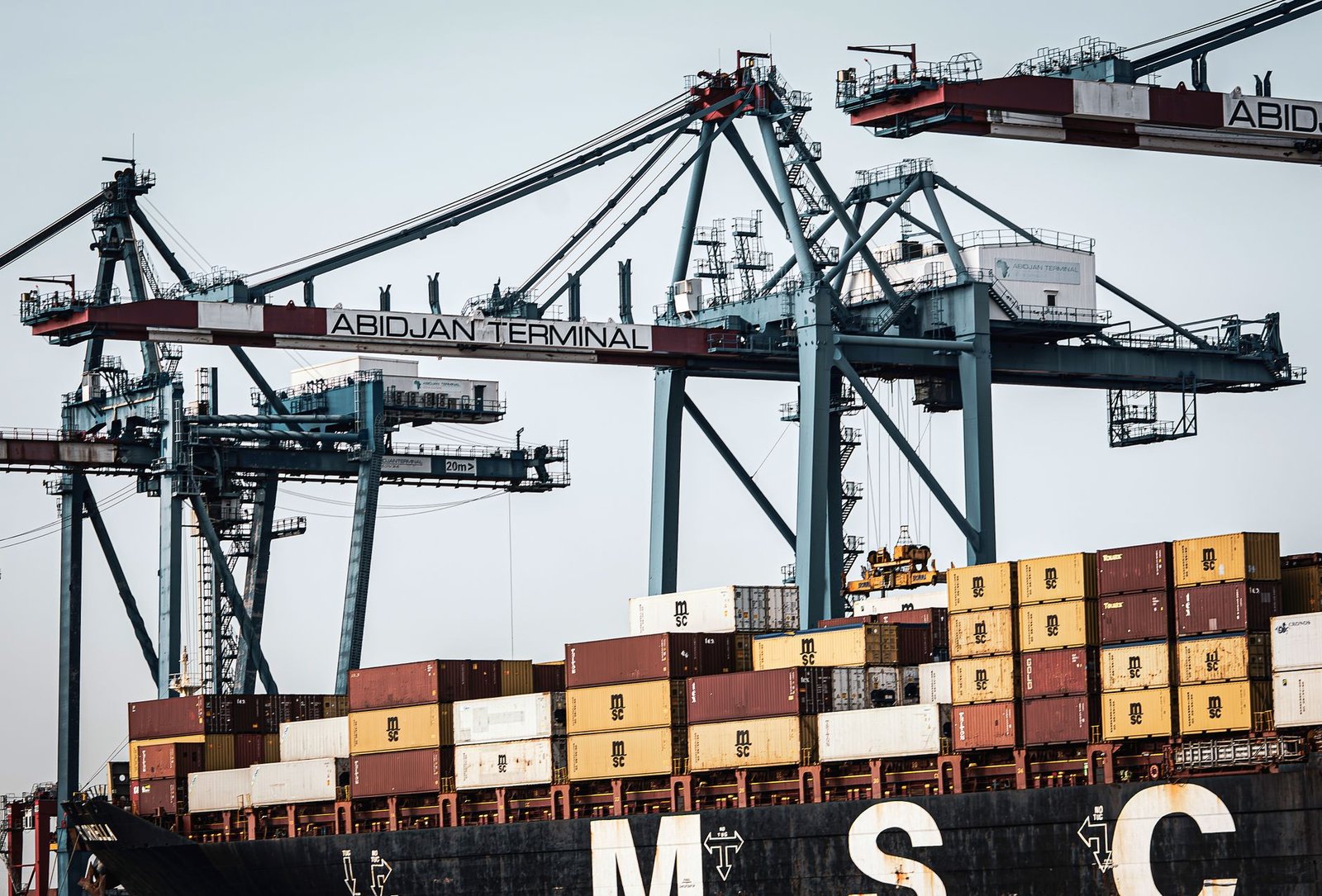
Located 40 kilometers east of Dakar along the Petite Côte, the Bargny-Sendou complex was conceived in the early 2010s as a critical offshoot of the capital’s overloaded port. Originally forecasted to cost hundreds of billions of francs, the project was designed to absorb bulk solids, hydrocarbons, and mineral exports—especially zircon and phosphate—diverted from Dakar’s congested docks. With the Port of Dakar handling around 20 million tons annually, the pressure to decentralize traffic toward Bargny became urgent over the past decade.
Senegal’s move also responds to regional competition. Neighbors like Ivory Coast and Mauritania have ramped up port investments, challenging Dakar’s longstanding dominance. Bargny was meant to tilt the balance back in Senegal’s favor, but its delayed development and governance challenges exposed vulnerabilities the current administration now aims to address.
How Diomaye Faye’s administration reshapes concession governance
This decision is not isolated. Since April 2024, President Bassirou Diomaye Faye’s administration has prioritized audits and renegotiations of legacy contracts across hydrocarbons, mining, and public concessions. The stated goal: recover revenues deemed lost due to contractual breaches—unpaid royalties, stalled investments, or non-compliance with operational mandates. Bargny’s case fits this pattern, but it also reflects a broader West African trend.
Neighboring countries are taking similar action. Niger’s post-coup government has revoked multiple mining permits, while Mali’s transitional authorities renegotiated agreements with gold majors like Barrick Gold to claim hundreds of billions in overdue taxes. Though Senegal’s approach is more institutionalized, the underlying logic—asserting sovereign control over infrastructure rents—is consistent across the region.
Why the 4.8 billion franc penalty matters
The financial hit against Leduc Sénégal isn’t symbolic. At several times the annual turnover of a typical regional port SME, it underscores the consequences of failing to meet contractual obligations. More critically, it sends a message: Senegal is tightening oversight on foreign concessionaires. Whether the breach involved unpaid fees, undelivered investments, or operational deviations, the penalty reinforces the state’s willingness to enforce compliance—or face steep costs.
Regional port dynamics hinge on Bargny’s future
The timing of this dispute couldn’t be more pivotal. Dakar is doubling down on another mega-project: the Ndayane port expansion, backed by DP World with a $1.1 billion commitment. Yet the success of this three-hub system—Dakar, Bargny, and Ndayane—depends on clear operational delineation. Overlap risks inefficiencies; unclear mandates risk further friction with private partners.
For Leduc Sénégal, legal recourse remains an option—arbitration or domestic litigation could still alter the outcome. The resolution will be closely watched, especially by investors funding Dakar’s next-generation port infrastructure. Their confidence hinges on whether Senegal’s firm stance is rooted in legal consistency or political calculation.
What operators should expect next
Beyond Bargny, the broader signal is clear: Senegal is redefining the rules of engagement for port concessions. Companies operating in similar sectors should prepare for increased scrutiny, stricter audits, and potentially higher penalties. The message is unmistakable—partnerships are welcome, but sovereignty comes first.